


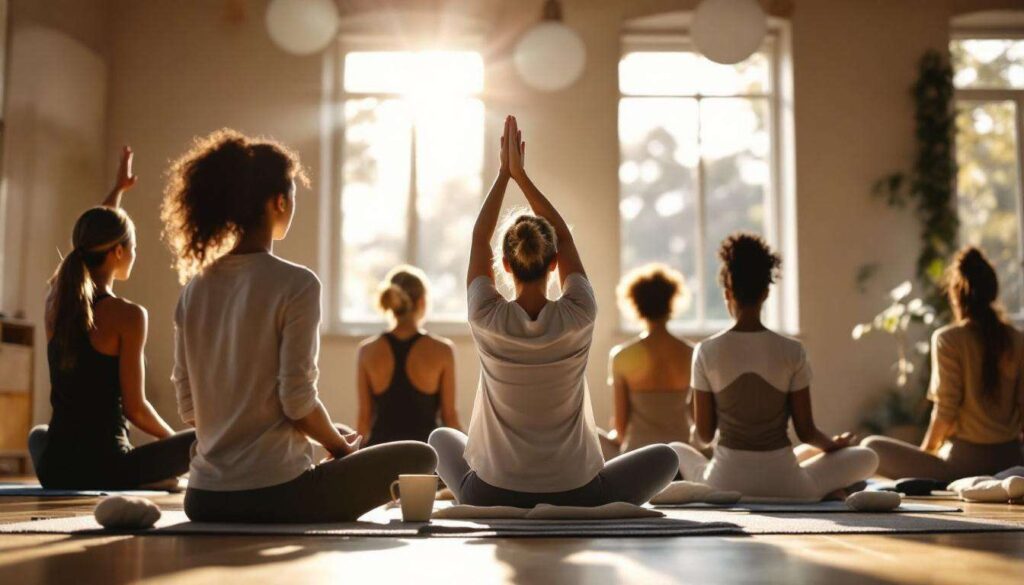
Many of us spend hours hunched over desks, peering at screens, or cradling phones between ear and shoulder, creating a perfect storm for neck discomfort. The modern lifestyle has made neck pain an increasingly common complaint, affecting productivity, sleep quality, and overall wellbeing. While severe or persistent pain requires medical attention, mild to moderate neck stiffness can often be addressed through gentle movement and mindful stretching. A yoga teacher has identified three accessible moves that can provide relief without requiring expensive equipment or extensive training. These techniques draw on ancient practices adapted for contemporary needs, offering a practical approach to managing everyday discomfort.
Understanding the causes of neck pain
Poor posture and modern habits
The cervical spine supports the weight of the head, which averages between four and five kilograms. When positioned correctly, this load distributes evenly across the vertebrae and supporting muscles. However, forward head posture dramatically increases the strain on neck structures. For every inch the head moves forward from its neutral position, the effective weight on the cervical spine increases by approximately four and a half kilograms. This explains why prolonged computer work or smartphone use creates such significant discomfort.
Muscular tension and stress
Beyond mechanical factors, psychological stress contributes substantially to neck pain. When anxious or under pressure, people unconsciously tense their shoulder and neck muscles, creating trigger points and reducing blood flow to the area. This muscular tension can become chronic, leading to:
- Persistent stiffness upon waking
- Reduced range of motion
- Headaches originating from the base of the skull
- Difficulty concentrating due to discomfort
These interconnected factors mean that addressing neck pain requires both physical and mental approaches, which is precisely where yoga excels.
Why yoga is effective against neck pain
The mind-body connection
Yoga combines physical movement with breath awareness, creating a holistic approach to pain management. Unlike isolated stretching exercises, yoga encourages practitioners to notice sensations without judgement, fostering a healthier relationship with discomfort. This mindful awareness helps distinguish between productive stretching and potentially harmful strain, reducing the risk of injury during self-treatment.
Scientific evidence supporting yoga for pain relief
Research has demonstrated yoga’s effectiveness for various musculoskeletal conditions. Studies indicate that regular practice can improve flexibility, strengthen supporting muscles, and reduce inflammation markers in the body. The parasympathetic nervous system activation that occurs during yoga practice also counteracts the stress response that contributes to muscular tension.
| Benefit | Mechanism | Timeframe |
|---|---|---|
| Immediate relief | Increased blood flow | During practice |
| Improved flexibility | Muscle lengthening | 2-4 weeks |
| Reduced recurrence | Strengthened support structures | 6-8 weeks |
With this foundation established, the specific moves recommended by yoga practitioners become more meaningful and purposeful.
The first move: the child’s pose to soothe
How to perform the child’s pose
Begin by kneeling on a comfortable surface with knees hip-width apart or slightly wider. Lower your hips back towards your heels whilst extending your arms forward along the floor. Rest your forehead on the ground or on a cushion if that feels more comfortable. This restorative position gently stretches the entire spine whilst creating space between the vertebrae.
Benefits for neck tension
The child’s pose works by reversing the forward head posture maintained throughout most daily activities. The gentle traction created as the arms extend forward encourages decompression of the cervical spine. Additionally, the pose activates the relaxation response, helping release the unconscious muscular gripping that often accompanies neck pain. Hold this position for one to three minutes, breathing deeply and allowing the weight of the head to create a natural stretch.
Once the spine has been gently lengthened, introducing rotational movement can address deeper layers of tension.
The second move: the seated twist to release
Executing the seated twist properly
Sit comfortably on a chair or cross-legged on the floor with your spine tall. Place your right hand on your left knee and your left hand behind you for support. Inhale to lengthen the spine, then exhale as you gently rotate your torso to the left. Keep your shoulders relaxed and avoid forcing the movement. The twist should originate from the mid-back rather than the neck itself, though you can allow your head to follow the rotation naturally.
Why rotation matters
Rotational movements address the multifidus and rotatores muscles that run along the spine. These small but crucial muscles often become tight and restricted, limiting overall mobility. The seated twist also:
- Improves circulation to spinal tissues
- Releases fascial restrictions
- Enhances proprioception and body awareness
- Reduces compensatory tension patterns
Perform this twist on both sides, holding each for thirty seconds to one minute. After addressing rotation, lateral movement completes the comprehensive approach.
The third move: the side stretch to alleviate
Performing the side stretch
Stand or sit with your spine neutral. Reach your right arm overhead and gently lean to the left, creating a crescent shape with your body. Keep both sitting bones grounded if seated, or both feet planted if standing. Breathe into the right side of your ribcage, feeling the expansion with each inhale. The stretch should extend from your hip through your ribcage and into your neck.
Targeting the scalene muscles
The scalene muscles on the sides of the neck frequently harbour tension, particularly in people who carry bags on one shoulder or hold phones to their ear. This lateral stretch specifically targets these muscles whilst also addressing the upper trapezius and levator scapulae. Hold each side for thirty to sixty seconds, avoiding any sharp or shooting sensations. If you experience tingling or numbness, reduce the intensity immediately.
Whilst these three moves provide immediate relief, long-term freedom from neck pain requires ongoing attention and preventative strategies.
The yoga teacher’s tips to prevent pain
Daily habits that protect your neck
Prevention proves more effective than treatment for chronic neck issues. Simple adjustments to daily routines can significantly reduce the likelihood of pain developing. Position computer screens at eye level to maintain neutral head alignment. Take regular breaks from desk work, ideally standing and moving every thirty minutes. When using smartphones, bring the device to eye level rather than dropping your head forward.
Building a sustainable practice
Consistency matters more than intensity when addressing neck pain through yoga. A brief daily practice of five to ten minutes provides better results than occasional longer sessions. Consider incorporating these moves into existing routines:
- Perform the child’s pose before bed to release accumulated tension
- Practice seated twists during work breaks
- Include side stretches in morning routines
- Combine all three moves whenever discomfort arises
Knowing when to seek professional help
Whilst these yoga moves suit most people with mild to moderate neck stiffness, certain symptoms warrant medical evaluation. Seek professional advice if pain persists beyond two weeks, radiates down the arms, accompanies numbness or weakness, or results from trauma. Severe headaches, fever, or difficulty swallowing alongside neck pain require immediate medical attention.
Neck pain need not be an inevitable consequence of modern life. The three moves outlined by this yoga teacher offer accessible, evidence-based relief that addresses both physical tension and stress-related discomfort. By understanding the underlying causes and incorporating gentle, mindful movement into daily routines, many people can significantly reduce neck pain and improve their quality of life. Regular practice of the child’s pose, seated twist, and side stretch creates a foundation for lasting comfort, whilst attention to posture and stress management prevents future episodes. These simple yet effective techniques demonstrate that meaningful relief often requires neither elaborate equipment nor extensive time commitments, merely consistent attention to the body’s needs and a willingness to move with awareness.