



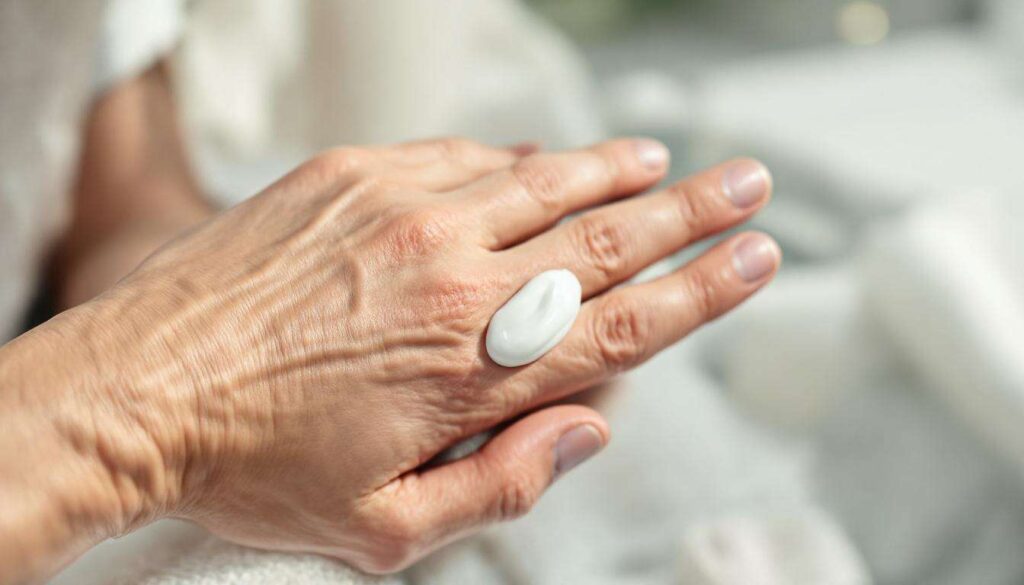
Our hands endure constant exposure to environmental aggressors, household chemicals, and frequent washing, leaving them vulnerable to dryness, roughness, and premature ageing. Selecting the appropriate hand cream requires understanding your specific concerns and the active ingredients that address them. With countless products available on the market, navigating the options can feel overwhelming. This comprehensive guide examines the underlying causes of hand deterioration and provides expert recommendations for choosing formulations that deliver genuine results, ensuring your hands remain soft, smooth, and youthful.
Understanding the causes of dry and rough hands
Environmental factors stripping moisture
The skin on our hands faces relentless assault from external elements that compromise its natural barrier function. Cold weather reduces humidity levels, causing moisture to evaporate rapidly from the skin surface. Conversely, central heating systems during winter months create artificially dry indoor environments that further dehydrate the epidermis. Wind exposure accelerates transepidermal water loss, whilst prolonged sun exposure damages collagen fibres and accelerates visible ageing signs.
Chemical irritants and frequent washing
Modern hygiene practices, though essential for health, take a considerable toll on hand skin integrity. The combination of factors includes:
- Frequent handwashing with harsh soaps that strip natural oils
- Alcohol-based sanitisers that disrupt the lipid barrier
- Household cleaning products containing aggressive detergents
- Occupational exposure to chemicals in healthcare, hospitality, or manufacturing sectors
- Chlorinated water in swimming pools
Natural ageing process
As we age, intrinsic biological changes affect hand appearance dramatically. Collagen production decreases by approximately one per cent annually after age thirty, leading to reduced skin elasticity. Sebaceous glands produce less sebum, diminishing the skin’s natural moisturising capacity. The fat layer beneath the skin thins, making veins and tendons more prominent whilst reducing cushioning. These physiological changes manifest as wrinkles, age spots, and crepey texture that require targeted intervention.
Recognising these contributing factors helps identify which active ingredients will most effectively address your particular concerns.
Key ingredients to nourish your hands
Humectants for deep hydration
Humectants attract water molecules from the atmosphere and deeper skin layers, binding moisture to the epidermis. Glycerin remains one of the most effective and affordable options, capable of holding up to one thousand times its weight in water. Hyaluronic acid provides superior hydration, plumping fine lines and creating a smooth surface. Urea at concentrations between five and ten per cent not only hydrates but also gently exfoliates, addressing roughness simultaneously.
Occlusives creating protective barriers
These ingredients form a physical seal on the skin surface, preventing water loss and protecting against irritants. Common occlusives include:
- Petrolatum: clinically proven to reduce water loss by up to ninety-nine per cent
- Dimethicone: a silicone that creates breathable protection
- Lanolin: mimics skin’s natural oils whilst providing occlusion
- Beeswax: natural alternative offering moderate barrier function
Emollients for softness and repair
Emollients fill gaps between skin cells, smoothing rough texture and improving suppleness. Shea butter contains fatty acids and vitamins that nourish whilst providing anti-inflammatory benefits. Ceramides restore the skin barrier by replenishing naturally occurring lipids. Plant oils such as jojoba, argan, and sweet almond penetrate effectively, delivering essential fatty acids that repair damaged skin. Squalane, derived from olives or sugarcane, mimics skin’s natural sebum and absorbs without greasiness.
Active ingredients for specific concerns
Beyond basic moisturisation, certain compounds address particular issues. Niacinamide strengthens the skin barrier, reduces inflammation, and fades hyperpigmentation. Alpha hydroxy acids like lactic acid gently exfoliate, revealing smoother skin beneath. Retinol stimulates collagen production but requires careful use due to potential irritation. Vitamin E provides antioxidant protection against free radical damage whilst supporting skin repair processes.
Understanding these ingredient categories enables informed selection based on your hands’ specific requirements.
Choosing the right care for your skin type
Formulations for dry and very dry hands
Severely dehydrated hands require intensive repair formulations with high concentrations of occlusives and emollients. Look for creams rather than lotions, as their thicker consistency provides superior barrier protection. Products containing at least ten per cent glycerin combined with petrolatum or shea butter deliver optimal results. Night treatments in balm format offer concentrated nourishment during sleep, when skin repair mechanisms are most active.
Solutions for sensitive and reactive skin
Individuals with sensitive skin must prioritise fragrance-free, hypoallergenic formulations with minimal ingredients. Avoid products containing:
- Synthetic fragrances and essential oils
- Parabens and formaldehyde-releasing preservatives
- Sodium lauryl sulphate
- Artificial colourants
Instead, select creams with colloidal oatmeal, allantoin, or panthenol, which soothe irritation whilst moisturising. Dermatologically tested products specifically formulated for eczema-prone skin often suit sensitive hands excellently.
Lightweight options for normal to oily skin
Those with less severe dryness benefit from gel-cream textures that hydrate without heaviness. Water-based formulations containing hyaluronic acid and glycerin provide sufficient moisture whilst absorbing quickly. These lighter consistencies prevent the greasy residue that interferes with daily activities, making them ideal for frequent daytime application.
| Skin Type | Recommended Texture | Key Ingredients |
|---|---|---|
| Very Dry | Rich cream/balm | Petrolatum, shea butter, ceramides |
| Sensitive | Fragrance-free cream | Colloidal oatmeal, panthenol |
| Normal | Light lotion/gel-cream | Hyaluronic acid, glycerin |
Matching product formulation to your skin characteristics ensures maximum efficacy and comfort.
Miracle creams to fight wrinkles
Retinol-based treatments for collagen stimulation
Retinol remains the gold standard for addressing visible ageing signs on hands. This vitamin A derivative accelerates cell turnover, stimulates collagen synthesis, and reduces hyperpigmentation. Start with lower concentrations around 0.25 per cent to build tolerance, gradually increasing to 0.5 or one per cent. Apply retinol hand treatments exclusively at night, as sunlight degrades the ingredient and increases photosensitivity. Expect visible improvements within twelve weeks of consistent use, including diminished fine lines and more even skin tone.
Peptide complexes for firmness
Peptides are amino acid chains that signal skin cells to produce more collagen and elastin. Matrixyl (palmitoyl pentapeptide) has demonstrated clinical efficacy in reducing wrinkle depth by up to forty-five per cent over eight weeks. Copper peptides additionally support wound healing and possess antioxidant properties. These ingredients work synergistically with moisturisers, making them suitable for daytime use without sun sensitivity concerns.
Vitamin C for brightness and protection
L-ascorbic acid, the most potent vitamin C form, addresses multiple ageing concerns simultaneously. It neutralises free radicals, inhibits melanin production to fade age spots, and serves as a cofactor in collagen synthesis. Stabilised formulations prevent oxidation, ensuring ingredient efficacy. Look for concentrations between ten and twenty per cent in opaque packaging. Vitamin C works particularly well when combined with vitamin E and ferulic acid, which enhance its stability and effectiveness.
Comprehensive anti-ageing formulations
Premium hand creams now incorporate multiple active ingredients targeting various ageing mechanisms. These sophisticated products combine:
- SPF protection to prevent further photodamage
- Niacinamide for barrier strengthening and pigmentation reduction
- Antioxidants like resveratrol and coenzyme Q10
- Plant extracts with proven anti-inflammatory properties
Whilst more expensive, these comprehensive treatments deliver superior results compared to basic moisturisers alone.
Beyond selecting appropriate products, establishing consistent application habits maximises their effectiveness.
Daily routine for healthy hands
Morning protection protocol
Begin each day by applying a broad-spectrum SPF hand cream containing at least SPF 30. Sun damage remains the primary cause of premature hand ageing, yet this area frequently receives inadequate protection. Reapply after handwashing or every two hours during extended outdoor exposure. Choose formulations that absorb quickly without leaving white residue, ensuring compliance with regular application.
Post-washing replenishment
Each handwashing episode strips protective oils, necessitating immediate moisturiser reapplication. Keep hand cream dispensers near every sink in your home and workplace. Pat hands dry rather than rubbing vigorously, which further irritates skin. Apply cream whilst hands remain slightly damp, trapping additional moisture. This practice, though seemingly excessive, prevents cumulative damage from repeated washing.
Evening intensive treatment
Nighttime offers optimal opportunity for deep repair without interference from daily activities. Apply a generous amount of rich hand cream or treatment balm, massaging thoroughly into skin, cuticles, and nails. For severely damaged hands, consider overnight occlusion: after applying cream, wear cotton gloves to enhance penetration and prevent product transfer to bedding. This intensive approach accelerates healing and dramatically improves texture within days.
Weekly exfoliation for renewal
Gentle exfoliation removes dead skin cells that prevent moisturiser absorption. Use a hand scrub containing fine particles or chemical exfoliants like lactic acid once or twice weekly. Avoid aggressive scrubbing, which creates micro-tears and inflammation. Follow immediately with intensive moisturiser to seal in hydration. This step proves particularly beneficial for rough, calloused hands.
Supplementing your product routine with protective lifestyle measures extends results significantly.
Tips to maintain softness and suppleness of your hands
Protective measures during household tasks
Wearing appropriate gloves prevents direct contact with damaging substances. Use vinyl or nitrile gloves for wet work and cleaning, as latex may cause allergic reactions in sensitive individuals. For extended wear, apply hand cream before donning cotton-lined gloves to create a spa-like treatment whilst working. Replace gloves showing signs of deterioration, as tears compromise protection.
Hydration and nutrition from within
External treatments work most effectively when supported by adequate internal hydration and nutrition. Consume at least two litres of water daily to maintain skin moisture from within. Include foods rich in:
- Omega-3 fatty acids: salmon, walnuts, flaxseeds
- Vitamin E: almonds, sunflower seeds, avocado
- Vitamin C: citrus fruits, berries, peppers
- Zinc: oysters, beef, pumpkin seeds
These nutrients support collagen production and skin barrier function systemically.
Environmental modifications
Control your immediate environment to minimise moisture loss. Use humidifiers during winter months to maintain indoor humidity between forty and sixty per cent. Lower water temperature when washing hands, as hot water strips oils more aggressively than lukewarm water. Choose mild, pH-balanced cleansers rather than antibacterial soaps containing harsh detergents. These seemingly minor adjustments yield substantial cumulative benefits.
Professional treatments for severe cases
When home care proves insufficient, professional interventions may be necessary. Dermatologists can prescribe prescription-strength creams containing higher retinoid concentrations or corticosteroids for severe dermatitis. Aesthetic treatments like chemical peels, laser therapy, or intense pulsed light address stubborn pigmentation and deep wrinkles. Hand rejuvenation procedures using dermal fillers restore lost volume, creating a more youthful appearance.
Achieving and maintaining beautiful hands requires understanding your specific concerns, selecting appropriate products with proven ingredients, and establishing consistent care habits. Environmental protection, immediate post-washing moisturisation, and intensive overnight treatments form the foundation of effective hand care. Whether addressing dryness, roughness, or visible ageing, the right combination of formulations and practices delivers transformative results. Prioritising hand health not only improves appearance but also enhances comfort and prevents painful conditions like cracking and dermatitis.