

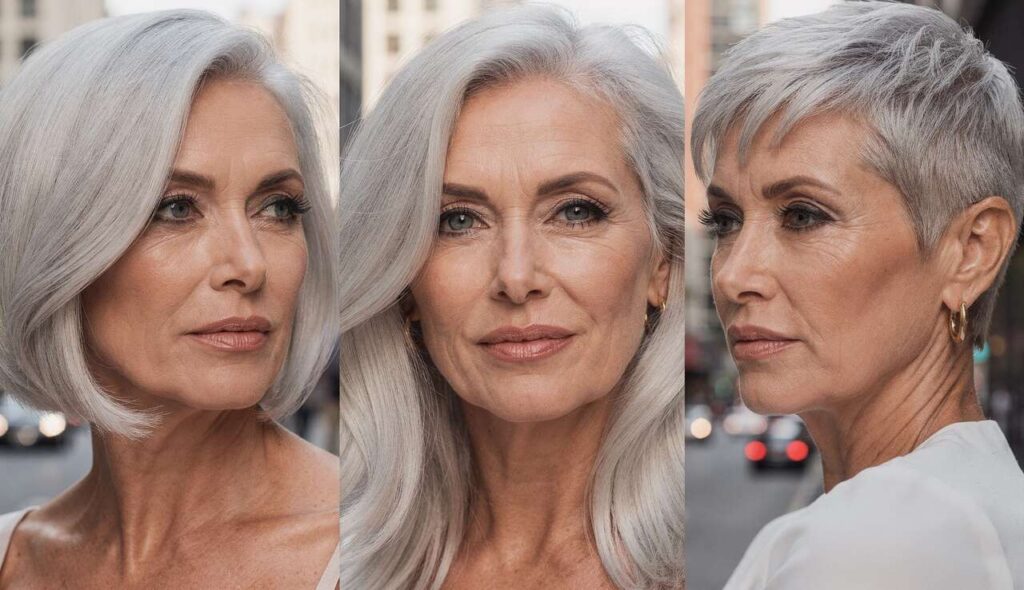
Choosing the right haircut becomes increasingly important as we age, yet many women over fifty unknowingly opt for styles that add years rather than subtract them. Professional hairstylists frequently observe clients making the same critical mistakes when it comes to their hair, selecting cuts that emphasise rather than soften the natural signs of ageing. Understanding which styles to avoid can make a remarkable difference in achieving a fresh, youthful appearance whilst maintaining sophistication and elegance. The wrong haircut can draw attention to fine lines, create unflattering shadows, or simply appear outdated, whilst the right choice can illuminate features and project confidence.
Haircuts to avoid after 50
Certain hairstyles consistently prove problematic for women over fifty, creating an ageing effect that contradicts their intended purpose. Hair texture changes significantly with age, becoming finer, thinner, and often more fragile, which means styles that once worked beautifully may no longer flatter. Professional hairstylists identify three primary culprits that consistently add years to a woman’s appearance.
The impact of unsuitable cuts on facial features
The relationship between haircut and facial structure becomes more pronounced as skin loses elasticity and volume. A poorly chosen style can accentuate sagging, highlight wrinkles, or create an imbalance that draws the eye downward rather than upward. Strategic hair placement should frame the face favourably, softening harsh angles whilst adding dimension where needed. The following styles particularly warrant caution:
- Cuts that expose too much of the neck and jawline without adequate framing
- Styles lacking movement or volume that flatten against the head
- Overly structured cuts that appear rigid and severe
- Hairstyles requiring excessive styling products that weigh hair down
These considerations naturally lead to examining specific styles that frequently prove problematic, beginning with one of the most common mistakes in layering techniques.
Overly pronounced layers: a mistake not to make
Excessive layering represents one of the most damaging choices for mature hair, despite many women believing it adds youthful volume and movement. Heavily choppy layers create an unintentional ageing effect by exposing thinning areas and producing a straggly, unkempt appearance rather than the intended fullness.
Why dramatic layering backfires
Mature hair typically lacks the density and thickness required to support aggressive layering. When hairstylists remove too much weight through pronounced layers, the result often appears wispy and insubstantial. The illusion of volume proves temporary at best, as the shorter pieces fail to blend seamlessly with longer sections, creating a disjointed look that emphasises rather than conceals thinning hair.
| Layer type | Effect on mature hair | Recommended alternative |
|---|---|---|
| Heavy, choppy layers | Creates gaps, exposes scalp | Subtle, blended layers |
| Face-framing layers only | Draws attention to fine lines | Graduated layers throughout |
| Razor-cut layers | Produces frayed, thin ends | Scissor-cut soft layers |
The proper approach to layering after fifty
Strategic, gentle layering can enhance mature hair when executed correctly. The key lies in maintaining sufficient weight and density whilst creating subtle movement. Professional hairstylists recommend long, blended layers that preserve fullness at the crown and sides, avoiding the temptation to over-texturise. These softer layers should flow naturally without obvious demarcation lines, creating dimension without sacrificing body.
Whilst layering presents challenges, another popular choice proves equally problematic for different reasons entirely.
Why ultra-short cuts can age you
Cropped pixie cuts and extremely short styles frequently appear on lists of supposedly youthful haircuts, yet they often achieve the opposite effect for women over fifty. These cuts demand specific facial features and bone structure to succeed, requirements that become more stringent as facial contours change with age.
The harsh reality of very short hair
Ultra-short haircuts eliminate the softening frame that longer hair provides around the face. Without this buffer, every line, wrinkle, and age spot becomes prominently visible. Short crops also tend to emphasise neck lines and jowls, drawing attention precisely where most women prefer to minimise focus. The stark exposure created by these cuts proves particularly unflattering under harsh lighting or in photographs.
Maintenance challenges of cropped styles
Beyond aesthetic concerns, extremely short haircuts present practical difficulties. They require frequent salon visits to maintain shape, typically every three to four weeks, making them expensive and time-consuming. Additionally, very short styles offer limited versatility, restricting styling options for different occasions. The following factors compound these challenges:
- Grey regrowth becomes immediately obvious at the roots
- Hair texture changes appear more pronounced in short cuts
- Thinning patches cannot be disguised or concealed
- Growing out a too-short cut proves awkward and lengthy
Just as length extremes create problems, specific styling elements within any haircut can prove equally troublesome.
The effect of heavy fringes on the face
Dense, blunt fringes rank among the most ageing choices for mature women, despite their popularity as a supposed solution for forehead lines. A heavy fringe creates shadows across the upper face, making eyes appear smaller and the complexion duller whilst adding visual weight that drags facial features downward.
How fringes alter facial proportions
Thick fringes fundamentally change how the face is perceived, often in unflattering ways. They shorten the appearance of the face, which can emphasise jowls and a widening jawline. The solid line of a blunt fringe draws a harsh horizontal across the forehead, creating an artificial division that appears severe rather than softening. This style also requires the hair to sit flat against the forehead, eliminating lift and volume where it’s most needed.
Problems with fringe maintenance
Fringes demand considerable upkeep to avoid looking unkempt or dated. They require regular trimming, daily styling, and often look greasy or limp by midday. For women experiencing hormonal changes that affect oil production, maintaining a fresh-looking fringe becomes particularly challenging. The commitment involved rarely justifies the ageing effect produced.
| Fringe style | Ageing factors | Better option |
|---|---|---|
| Blunt, straight across | Creates harsh line, shadows eyes | Soft, side-swept fringe |
| Heavy, full fringe | Weighs down features, hides eyes | Wispy, textured fringe |
| Short, choppy fringe | Emphasises forehead width | Long, graduated fringe |
Understanding what to avoid naturally raises the question of what actually works for mature hair and features.
How to choose youthful hairstyles
Selecting a flattering haircut after fifty requires considering multiple factors simultaneously, from hair texture and density to facial shape and lifestyle requirements. Youthful hairstyles share common characteristics that work harmoniously with mature features rather than fighting against them.
Key elements of age-appropriate cuts
Successful haircuts for women over fifty incorporate strategic length, subtle movement, and face-framing elements that illuminate rather than shadow. The ideal length typically falls between chin and collarbone, providing sufficient hair to create softness whilst remaining manageable. Gentle layers add dimension without creating gaps, and soft angles around the face provide flattering definition.
- Medium-length cuts with subtle layering for movement
- Soft, side-swept elements that frame without overwhelming
- Styles with volume at the crown to lift features upward
- Cuts that work with natural texture rather than requiring excessive styling
- Haircuts incorporating dimensional colour to add depth and richness
Considering face shape and features
Individual facial structure plays a crucial role in determining the most flattering haircut. Oval faces accommodate most styles, whilst round faces benefit from length and angles that create the illusion of elongation. Square faces require softening around the jawline, and heart-shaped faces need width at the jawline to balance a wider forehead. Professional consultation proves invaluable in identifying which specific variations will best complement unique features.
Armed with knowledge of what works, implementing these principles with professional guidance ensures optimal results.
Advice from a hairstylist on adapting your haircut
Professional hairstylists emphasise that transitioning to a more flattering style requires honest assessment and willingness to embrace change. Adapting your haircut means letting go of styles that no longer serve you, regardless of how long you’ve worn them or how attached you’ve become.
Working with your hairstylist effectively
Communication forms the foundation of achieving a successful haircut. Bring photographs of styles you admire, but remain open to professional advice about what will realistically work with your hair type and face shape. Discuss your daily routine and styling abilities honestly, as the most beautiful haircut proves worthless if you cannot recreate it at home. A skilled hairstylist will adapt trending styles to suit your individual needs rather than applying a one-size-fits-all approach.
Gradual transitions versus dramatic changes
For women accustomed to problematic styles, gradual modification often proves more successful than abrupt transformation. Slowly adjusting length, reducing layer intensity, or growing out a fringe allows time to adapt both practically and psychologically. This measured approach also permits course correction if a particular direction proves unflattering, minimising the risk of a haircut disaster that requires months to remedy.
- Schedule consultations before committing to major changes
- Request styling demonstrations to learn maintenance techniques
- Invest in appropriate products recommended by your hairstylist
- Book regular appointments to maintain shape and prevent overgrowth
- Remain flexible and willing to adjust as hair texture continues evolving
The journey towards a more youthful, flattering hairstyle represents an investment in self-presentation that pays dividends in confidence and appearance. Avoiding the three primary ageing mistakes—overly pronounced layers, ultra-short cuts, and heavy fringes—whilst embracing styles that work harmoniously with mature features transforms how women over fifty look and feel. Professional guidance combined with realistic self-assessment enables informed choices that enhance rather than detract from natural beauty, proving that age-appropriate need not mean dowdy or dated but rather sophisticated and strategically flattering.