



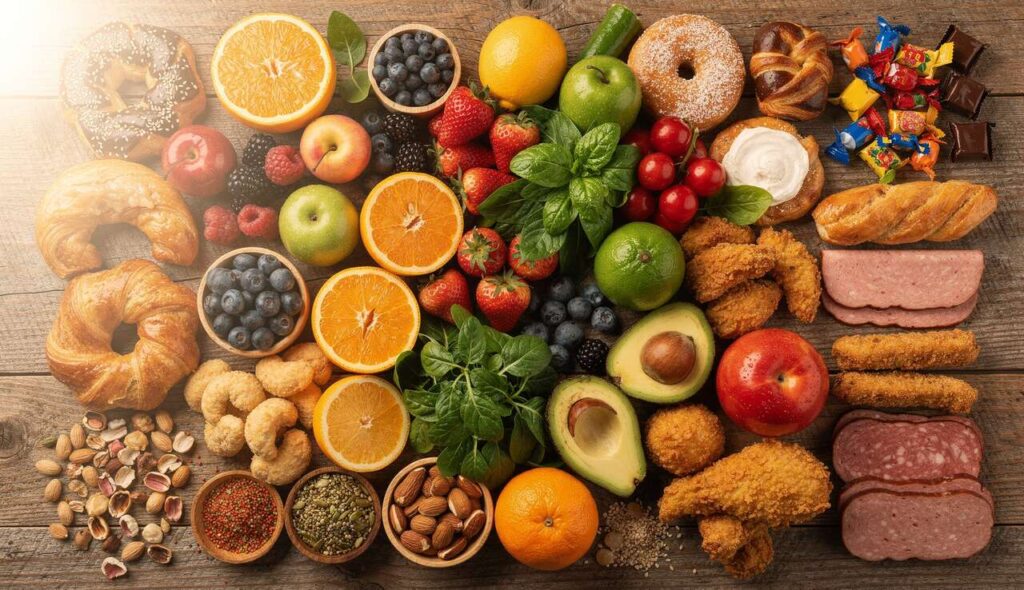
Your skin reflects what you put on your plate. The connection between nutrition and complexion has been scientifically proven, with certain foods triggering inflammation, breakouts and premature ageing whilst others promote radiance and elasticity. Understanding which ingredients harm or heal your skin can transform your appearance from within, offering results that no topical cream can replicate alone.
Understanding the link between diet and skin health
How nutrition impacts skin appearance
The skin is the body’s largest organ, and like all organs, it requires specific nutrients to function optimally. What you consume directly affects cellular regeneration, collagen production and the skin’s ability to protect itself from environmental damage. Poor dietary choices can manifest as acne, dullness, dryness or accelerated signs of ageing.
Research has established that certain foods trigger inflammatory responses throughout the body, including the skin. When inflammation occurs, it can disrupt the skin barrier, leading to conditions such as eczema, psoriasis and rosacea. Conversely, anti-inflammatory foods support skin repair and maintain a healthy, glowing complexion.
The role of the gut-skin axis
The gut-skin axis represents the bidirectional relationship between digestive health and skin condition. An imbalanced gut microbiome can lead to systemic inflammation that manifests on the face. Foods that promote gut health, such as fermented products and fibre-rich vegetables, consequently improve skin clarity and reduce breakouts.
Understanding this fundamental connection allows you to make informed dietary choices that address skin concerns at their root cause rather than merely treating surface symptoms.
The foods to avoid for glowing skin
Sugar and refined carbohydrates
High-glycaemic foods cause rapid spikes in blood sugar, triggering insulin production and subsequent inflammation. This process, known as glycation, damages collagen and elastin fibres, leading to premature wrinkles and sagging skin. Common culprits include:
- White bread and pastries
- Sugary drinks and sweets
- Processed breakfast cereals
- White rice and pasta
Dairy products and hormonal disruption
Dairy consumption has been linked to increased acne, particularly in adults. Milk contains hormones and bioactive molecules that can stimulate oil production and clog pores. Many people notice significant improvements in their skin clarity within weeks of reducing or eliminating dairy from their diet.
Processed and fried foods
Trans fats and excessive omega-6 fatty acids found in processed foods promote inflammation. Deep-fried items contain oxidised oils that generate free radicals, accelerating cellular damage and contributing to a dull, uneven complexion. These foods also tend to be nutrient-poor whilst being calorie-dense, offering no benefit to skin health.
| Food Category | Primary Skin Impact |
|---|---|
| Refined sugar | Collagen damage, inflammation |
| Dairy | Increased acne, clogged pores |
| Fried foods | Free radical damage, dullness |
| Alcohol | Dehydration, broken capillaries |
Eliminating or significantly reducing these problematic foods creates the foundation for clearer, healthier skin, but nutrition is equally about what you should include in your diet.
The benefits of fruits and vegetables for your complexion
Antioxidant-rich produce
Fruits and vegetables contain powerful antioxidants that neutralise free radicals, protecting skin cells from oxidative stress. Berries, in particular, are exceptionally high in vitamin C and polyphenols, which support collagen synthesis and reduce inflammation. Dark leafy greens provide vitamin A, essential for cell turnover and maintaining a smooth texture.
Carotenoids for natural protection
Orange and red vegetables such as carrots, sweet potatoes and tomatoes contain carotenoids that accumulate in the skin, providing natural protection against UV damage. Lycopene, found abundantly in cooked tomatoes, has been shown to reduce sunburn severity and improve skin texture over time.
Vitamin C for collagen production
Citrus fruits, peppers and kiwis deliver high concentrations of vitamin C, a crucial cofactor in collagen synthesis. Regular consumption of these foods helps maintain skin firmness and accelerates wound healing, including the repair of acne scars. Aim for at least five portions of varied fruits and vegetables daily to maximise these benefits.
Whilst plant foods provide essential vitamins and antioxidants, incorporating specific types of fats further enhances skin health and appearance.
Omega-3 and other good fats to nourish the skin
The anti-inflammatory power of omega-3
Omega-3 fatty acids, found in fatty fish, walnuts and flaxseeds, possess potent anti-inflammatory properties that benefit numerous skin conditions. These essential fats strengthen cell membranes, improving the skin’s ability to retain moisture and maintain a plump, youthful appearance. Studies have demonstrated that regular omega-3 consumption reduces acne severity and may protect against sun damage.
Sources of beneficial fats
Beyond omega-3s, monounsaturated fats from avocados, olive oil and nuts support skin barrier function. These fats help the body absorb fat-soluble vitamins A, D, E and K, all of which play vital roles in skin health. Vitamin E, in particular, acts as an antioxidant, protecting cell membranes from oxidative damage.
- Salmon and mackerel for omega-3
- Avocados for monounsaturated fats and vitamin E
- Walnuts for plant-based omega-3
- Extra virgin olive oil for polyphenols and healthy fats
- Chia seeds for omega-3 and fibre
Incorporating these fats into your daily meals creates a foundation for supple, resilient skin, but even the most nutrient-dense diet cannot compensate for inadequate hydration.
Hydration: the importance of water for the skin
Water’s role in skin function
Adequate hydration is fundamental to maintaining skin elasticity, facilitating nutrient delivery and supporting the elimination of toxins. When the body is dehydrated, the skin becomes the last organ to receive water, resulting in dryness, flakiness and emphasised fine lines. Drinking sufficient water helps maintain the skin’s moisture balance from within.
How much water do you need
Individual hydration needs vary based on activity level, climate and overall health, but a general guideline suggests approximately two litres daily. However, water-rich foods such as cucumbers, watermelon and courgettes also contribute significantly to hydration status. Herbal teas and broths provide additional fluid without the dehydrating effects of caffeinated or alcoholic beverages.
Signs of dehydration in the skin
Dehydrated skin often appears dull, feels tight and shows more pronounced wrinkles. Unlike dry skin, which lacks oil, dehydrated skin lacks water and can affect all skin types, including oily complexions. Increasing water intake typically produces noticeable improvements within days, with skin appearing plumper and more radiant.
With an understanding of individual nutrients and their effects, the next step involves creating a comprehensive dietary approach that addresses all aspects of skin health.
Building a diet for healthy skin
Creating balanced meals
A skin-supporting diet incorporates diverse whole foods at each meal. Aim to fill half your plate with colourful vegetables, a quarter with lean protein and the remaining quarter with complex carbohydrates. Include a source of healthy fats with every meal to enhance nutrient absorption and support skin barrier function.
Practical meal examples
Breakfast might consist of porridge topped with berries, walnuts and ground flaxseed. Lunch could feature a large salad with grilled salmon, avocado and olive oil dressing. Dinner might include baked sweet potato, steamed broccoli and lean chicken. These combinations provide vitamins, minerals, antioxidants and essential fats that collectively promote skin health.
Consistency and patience
Dietary changes require time to manifest in skin appearance, typically between four to six weeks as the skin completes its natural renewal cycle. Consistency is crucial, as sporadic healthy eating cannot counteract regular consumption of inflammatory foods. Keep a food and skin diary to identify personal triggers and beneficial patterns, adjusting your approach based on individual responses.
Your complexion serves as a visible indicator of internal health, responding dramatically to dietary choices. By eliminating inflammatory foods, embracing nutrient-dense whole foods, incorporating beneficial fats and maintaining proper hydration, you provide your skin with the building blocks it needs to repair, regenerate and glow. The transformation begins from within, one meal at a time, creating lasting improvements that topical treatments alone cannot achieve.