


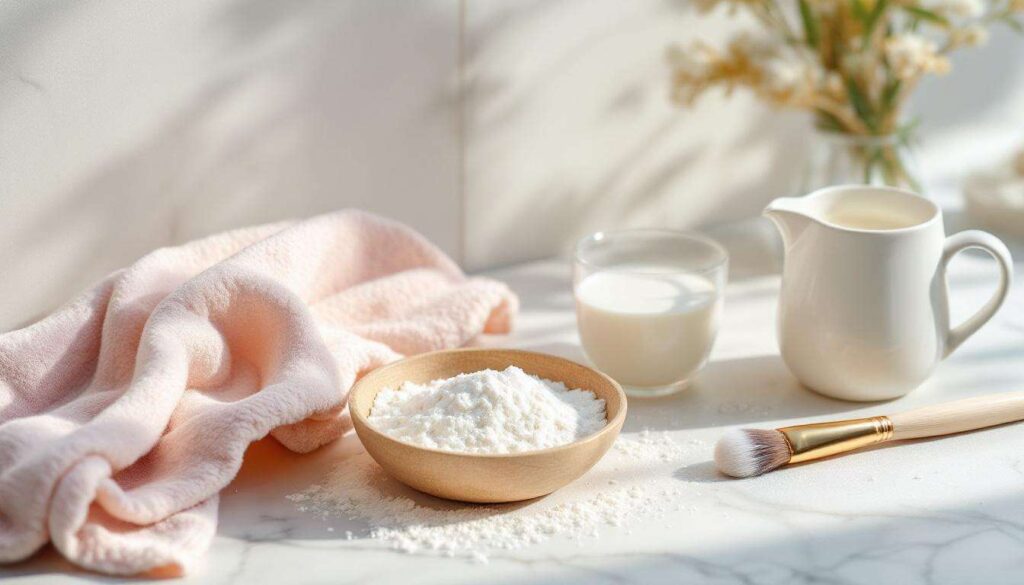
The pursuit of flawless, luminous skin has captivated beauty enthusiasts worldwide, with Korean skincare routines leading the charge towards achieving that coveted radiant complexion. Among the myriad of techniques and products promising transformation, one simple yet remarkably effective treatment has emerged as a favourite amongst those seeking glass skin – the combination of rice flour and milk in a gentle exfoliating mask. This natural remedy harnesses centuries-old beauty wisdom whilst delivering modern results that rival expensive salon treatments. The appeal lies not only in its accessibility and affordability but also in its ability to provide instant glow through a process that respects the skin’s delicate balance.
The origin of korean glass skin
Understanding the glass skin phenomenon
The term glass skin emerged from South Korea’s thriving beauty industry, describing a complexion so smooth, clear, and luminous that it resembles a pane of polished glass. This aesthetic goes beyond mere dewiness or hydration; it represents skin that appears virtually poreless, with an almost translucent quality that reflects light uniformly across its surface. Korean beauty philosophy emphasises skin health as the foundation of beauty, prioritising gentle, consistent care over aggressive treatments that might provide quick fixes but compromise long-term skin integrity.
Cultural significance in Korean beauty traditions
Korean skincare traditions have long celebrated natural ingredients and multi-step routines designed to nurture rather than strip the skin. The concept of chok chok skin – plump, bouncy, and deeply hydrated – laid the groundwork for the glass skin trend. This approach draws from historical practices where women used rice water and fermented ingredients to maintain youthful complexions. The modern interpretation combines these time-tested methods with contemporary understanding of skin biology, creating treatments that honour tradition whilst embracing innovation.
Why rice and milk became central ingredients
Rice has occupied a central position in Asian beauty rituals for millennia, with historical records documenting its use amongst Japanese geishas and Korean court ladies. The grain contains natural enzymes and compounds that gently brighten and refine skin texture without causing irritation. Milk, particularly raw milk, complements rice perfectly with its lactic acid content and nourishing proteins. Together, these ingredients create a synergy that addresses multiple skin concerns simultaneously, making them ideal for achieving the glass skin aesthetic.
Understanding these foundations helps explain why such simple ingredients can deliver such impressive results, setting the stage for exploring their specific benefits.
The benefits of the rice flour and milk mask
Gentle exfoliation without irritation
Unlike harsh chemical peels or abrasive scrubs, rice flour provides mechanical exfoliation that removes dead skin cells without creating micro-tears or inflammation. The fine particles polish the skin’s surface whilst the natural starches soothe and calm, making this treatment suitable even for sensitive skin types. This gentle approach prevents the redness and peeling often associated with more aggressive exfoliation methods, allowing for more frequent use and consistent results.
Brightening and evening skin tone
Rice flour contains ferulic acid and allantoin, compounds known for their ability to reduce hyperpigmentation and promote an even complexion. The mask works gradually to fade dark spots, sun damage, and post-inflammatory marks left by blemishes. Users often report visible brightening after just one application, with continued use leading to a more uniform skin tone that captures and reflects light beautifully.
Nutritional support for skin health
The combination of rice and milk delivers a wealth of nutrients directly to the skin:
- Vitamin B complex from rice flour supports cellular renewal and energy production
- Lactic acid in milk gently dissolves the bonds between dead skin cells
- Proteins and amino acids provide building blocks for collagen synthesis
- Natural lipids help restore the skin’s protective barrier
- Antioxidants combat free radical damage and premature ageing
Comparative advantages over commercial products
| Aspect | Rice Flour + Milk Mask | Commercial Exfoliants |
|---|---|---|
| Cost per treatment | Under £0.50 | £3-£15 |
| Ingredient transparency | Complete control | Often unclear formulations |
| Customisation potential | Highly adaptable | Fixed formulation |
| Preservation concerns | Fresh preparation | Contains preservatives |
| Environmental impact | Minimal packaging waste | Plastic containers, shipping |
These tangible benefits make the rice flour and milk mask an attractive option for those seeking effective skincare without compromise, leading naturally to the practical question of how to create this treatment at home.
How to prepare your homemade mask
Essential ingredients and their selection
Creating an effective mask begins with choosing quality ingredients. For rice flour, opt for finely ground powder rather than coarser varieties used in cooking, as the particle size directly affects the gentleness of exfoliation. White rice flour offers the most neutral option, though brown rice flour provides additional nutrients for those whose skin tolerates it well. Regarding milk, full-fat organic milk delivers the richest benefits, though alternatives exist for various dietary preferences and skin sensitivities.
Basic recipe and measurements
The fundamental recipe requires only two ingredients in specific proportions:
- Two tablespoons of fine rice flour
- One to two tablespoons of milk (adjust for desired consistency)
Mix these components in a clean bowl until they form a smooth paste resembling thick cream. The mixture should spread easily without being too runny, as overly liquid masks slide off the face before providing benefits. If the paste seems too thick, add milk drop by drop; if too thin, incorporate additional rice flour gradually.
Customisation options for different skin types
The basic formula serves as a foundation for personalisation based on individual skin needs. Those with dry skin might add half a teaspoon of honey or a few drops of almond oil to boost hydration. For oily or acne-prone skin, a pinch of turmeric powder or a teaspoon of plain yoghurt enhances antibacterial properties. Mature skin benefits from the addition of mashed avocado or a capsule of vitamin E oil, which supports elasticity and firmness.
Preparation hygiene and storage considerations
Always prepare this mask in a sanitised bowl using clean utensils to prevent bacterial contamination. Since the mixture contains no preservatives, it must be used immediately after preparation and should never be stored for later use. Any leftover mask should be discarded rather than refrigerated, as the combination of dairy and moisture creates an ideal environment for bacterial growth. This fresh-preparation approach ensures maximum potency and safety with each application.
With the mask properly prepared, attention turns to the application technique that maximises its effectiveness.
The steps for a successful application
Pre-treatment skin preparation
Proper preparation significantly enhances the mask’s effectiveness. Begin by cleansing the face thoroughly with a gentle, pH-balanced cleanser to remove makeup, sunscreen, and accumulated oils. Pat the skin dry but leave it slightly damp, as moisture helps the mask spread more evenly and prevents the rice flour from absorbing too much of the skin’s natural hydration. For enhanced penetration, consider steaming the face for three to five minutes using a bowl of hot water, which opens pores and softens the outer layer of dead skin cells.
Application technique for optimal results
Using clean fingertips or a flat cosmetic brush, apply the mask in upward, circular motions that follow the natural contours of the face. Start from the neck and work upwards, avoiding the delicate eye area and lips where the skin is too thin for exfoliation. Apply a medium-thick layer that covers the skin evenly without being so heavy that it cracks as it dries. Pay particular attention to areas prone to dullness or uneven texture, such as the forehead, nose, and chin.
Timing and removal process
Allow the mask to remain on the skin for fifteen to twenty minutes, or until it feels nearly dry but not completely hardened. During this time, the lactic acid works to dissolve cellular bonds whilst the rice flour absorbs excess oils and impurities. When ready to remove, dampen your fingertips and begin gently massaging the mask in small circular motions, using it as a physical exfoliant. This dual-action approach maximises the treatment’s effectiveness. Rinse thoroughly with lukewarm water, ensuring no residue remains, then splash the face with cool water to close pores.
Post-treatment care
Immediately after removing the mask, the skin is particularly receptive to subsequent products. Apply a hydrating toner or essence to replenish moisture, followed by a lightweight serum containing ingredients like hyaluronic acid or niacinamide. Seal these treatments with an appropriate moisturiser for your skin type. This layering technique, inspired by Korean skincare philosophy, locks in the benefits of the mask and creates that characteristic glass skin luminosity.
Understanding why this gentle approach works so effectively requires examining the science behind non-aggressive exfoliation methods.
The advantages of gentle exfoliation
The skin barrier and its protection
The outermost layer of skin, known as the stratum corneum, serves as the body’s primary defence against environmental aggressors whilst regulating moisture loss. Aggressive exfoliation can compromise this barrier, leading to increased sensitivity, dehydration, and vulnerability to irritants. Gentle exfoliation with rice flour and milk respects this protective layer, removing only the truly dead cells that contribute to dullness without stripping away the functional barrier that maintains skin health.
Inflammation reduction and healing support
Harsh exfoliation triggers inflammatory responses that can worsen conditions like rosacea, eczema, and acne. The anti-inflammatory properties of rice flour, combined with milk’s soothing proteins, actually calm existing irritation whilst improving texture. This makes the treatment suitable for those with reactive skin who typically cannot tolerate exfoliation, opening the door to improved radiance for a broader range of skin types.
Long-term benefits versus quick fixes
Whilst aggressive treatments might provide dramatic immediate results, they often lead to a cycle of damage and repair that ultimately ages the skin prematurely. Gentle exfoliation supports the skin’s natural renewal cycle without disruption, leading to sustained improvements in:
- Cellular turnover rates that maintain optimal timing
- Collagen production that remains steady and healthy
- Barrier function that grows stronger over time
- Overall resilience against environmental stressors
- Reduced appearance of fine lines and wrinkles
Frequency recommendations for different skin types
| Skin Type | Recommended Frequency | Key Considerations |
|---|---|---|
| Oily | 2-3 times weekly | Monitor for over-exfoliation |
| Combination | 2 times weekly | Focus on T-zone |
| Normal | 1-2 times weekly | Adjust based on results |
| Dry | Once weekly | Add extra hydrating ingredients |
| Sensitive | Once fortnightly | Patch test first |
These advantages demonstrate why gentle exfoliation forms the foundation of glass skin, but achieving maximum radiance requires additional supportive practices.
Tips to maximise skin radiance
Complementary skincare practices
The rice flour and milk mask works best as part of a comprehensive approach to skin health. Incorporate double cleansing in the evening to ensure thorough removal of daily buildup without stripping the skin. Use products containing vitamin C in the morning to boost brightness and protect against environmental damage. Layer hydrating products from thinnest to thickest consistency, allowing each to absorb before applying the next. This methodical approach creates the ideal canvas for the mask to work its magic.
Lifestyle factors that enhance results
External treatments can only achieve so much without internal support. Adequate hydration – consuming at least two litres of water daily – plumps skin cells from within and facilitates the removal of toxins. A diet rich in antioxidants, omega-3 fatty acids, and vitamins supports collagen production and cellular repair. Quality sleep allows the skin to complete its natural regeneration processes, whilst stress management prevents cortisol-related inflammation that dulls the complexion.
Sun protection as a non-negotiable element
No radiance-enhancing treatment can overcome the damaging effects of unprotected sun exposure. Apply a broad-spectrum SPF 30 or higher every morning, regardless of weather conditions, and reapply every two hours when outdoors. Sun damage causes hyperpigmentation, collagen breakdown, and textural irregularities that directly contradict glass skin goals. Consider this protection the foundation upon which all other treatments build.
Patience and consistency in skincare
Whilst the rice flour and milk mask provides immediate luminosity, achieving true glass skin requires dedication over weeks and months. Maintain a consistent routine rather than constantly switching products or techniques. Document progress with photographs taken in consistent lighting to appreciate gradual improvements that might otherwise go unnoticed. Remember that skin cycles through complete renewal approximately every twenty-eight days, meaning sustained results require sustained effort.
The journey to radiant, glass-like skin combines ancient wisdom with modern understanding, proving that effective skincare need not be complicated or expensive. The rice flour and milk mask exemplifies this principle, offering gentle exfoliation that respects the skin’s natural processes whilst delivering visible results. By preparing the treatment correctly, applying it with care, and supporting it with thoughtful lifestyle choices, anyone can experience the luminous complexion that has captivated the beauty world. This accessible approach democratises glass skin, transforming it from an exclusive aesthetic into an achievable goal for those willing to embrace consistency and patience in their skincare journey.