



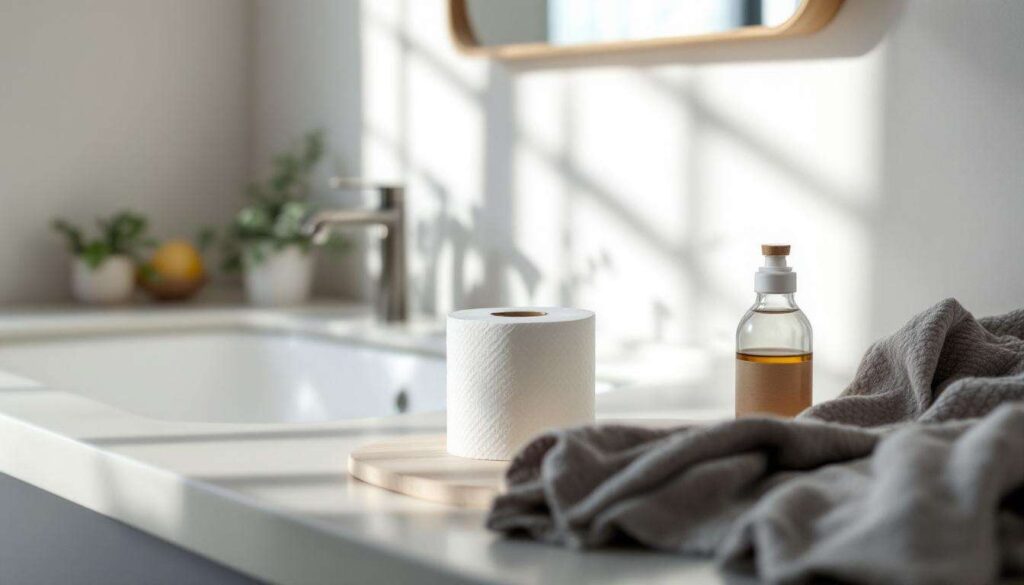
Household cleaning has evolved considerably over recent years, with many people seeking more natural and cost-effective alternatives to commercial products. Among the various methods gaining popularity, one particularly intriguing technique involves combining two simple items: toilet paper and white vinegar. This unexpected pairing has captured the attention of homeowners looking for efficient ways to tackle stubborn cleaning challenges, particularly in bathrooms and kitchens. The method is remarkably straightforward yet surprisingly effective, offering a practical solution that doesn’t require expensive equipment or harsh chemicals.
What is the toilet paper and vinegar trick ?
The basic principle behind the method
The toilet paper and vinegar trick is a cleaning technique that involves soaking sheets of toilet paper in white vinegar and applying them to surfaces that require deep cleaning or descaling. The method works by creating a prolonged contact between the vinegar and the surface, allowing the acidic properties of the vinegar to break down limescale, soap scum, and other stubborn deposits more effectively than simply spraying and wiping.
This approach is particularly useful for vertical or curved surfaces where liquid cleaners tend to run off before they can work properly. The toilet paper acts as a carrier, keeping the vinegar in place for an extended period, typically between 30 minutes to several hours, depending on the severity of the buildup.
Why this combination works so well
The effectiveness of this method lies in the synergy between the two components:
- The absorbent nature of toilet paper holds the vinegar against the surface
- The vinegar’s acidity dissolves mineral deposits and breaks down grime
- The extended contact time allows for deeper penetration into stubborn stains
- The paper creates a barrier that prevents rapid evaporation of the vinegar
Understanding these fundamental principles helps explain why this simple trick has become increasingly popular amongst those seeking efficient cleaning solutions. The next consideration is examining what makes white vinegar such a powerful cleaning agent in the first place.
The benefits of white vinegar for cleaning
Natural disinfecting properties
White vinegar contains acetic acid, typically at a concentration of around 5%, which gives it remarkable cleaning and disinfecting capabilities. This natural acid is effective at killing certain bacteria, viruses, and mould spores, making it a valuable tool for maintaining hygiene throughout the home. Unlike many commercial cleaners, vinegar achieves these results without introducing synthetic chemicals into your living environment.
Descaling and limescale removal
One of vinegar’s most celebrated properties is its ability to dissolve mineral deposits. In areas with hard water, limescale buildup can become a persistent problem, particularly around taps, showerheads, and toilet bowls. The acidic nature of vinegar reacts with calcium carbonate, the primary component of limescale, breaking it down into soluble compounds that can be easily wiped away.
Environmental and economic advantages
| Aspect | White vinegar | Commercial cleaners |
|---|---|---|
| Cost per litre | £0.50-£1.00 | £3.00-£8.00 |
| Environmental impact | Biodegradable | Often contains harmful chemicals |
| Packaging waste | Minimal | Multiple plastic bottles |
These advantages make vinegar an increasingly attractive option for environmentally conscious households. Once you understand these benefits, the practical question becomes how to properly prepare and apply the mixture for optimal results.
How to prepare the toilet paper and vinegar mixture
Materials needed
Gathering the necessary items is the first step in implementing this cleaning method:
- White vinegar (distilled is preferable)
- Standard toilet paper (any brand works)
- A shallow container or bowl
- Rubber gloves (optional but recommended)
- A spray bottle (for pre-treatment if desired)
Step-by-step preparation process
The preparation is remarkably simple and takes only a few minutes. Pour undiluted white vinegar into your container, ensuring you have enough to thoroughly saturate the toilet paper. Take several sheets of toilet paper and fold them to create a manageable size that will fit the area you intend to clean. Dip the folded paper into the vinegar, allowing it to absorb the liquid completely without falling apart.
For particularly stubborn areas, you may choose to use a double layer of toilet paper to increase the contact time and vinegar concentration on the surface. Some people prefer to warm the vinegar slightly before soaking the paper, as this can enhance its cleaning power, though this step is entirely optional.
Alternative preparation methods
Some households prefer to spray the surface first with vinegar, then apply dry toilet paper before spraying again. This method works equally well and may be more convenient for certain applications. The key is ensuring the paper remains saturated throughout the cleaning period, so you may need to reapply vinegar if the paper begins to dry out.
With your mixture properly prepared, you can now explore the various ways to apply this technique throughout your home.
Practical applications of this method at home
Bathroom fixtures and surfaces
The bathroom is where this method truly shines. Apply the vinegar-soaked toilet paper around tap bases where limescale accumulates, wrapping it around the fixtures to ensure complete coverage. For toilet bowls, place the saturated paper under the rim and along the waterline, leaving it for at least an hour before scrubbing and flushing.
Shower screens and tiles benefit enormously from this treatment. Apply the paper to areas with heavy soap scum or water stains, and the prolonged contact will make subsequent cleaning significantly easier. The vertical application is particularly effective here, as the paper prevents the vinegar from simply running down the surface.
Kitchen applications
In the kitchen, this method works exceptionally well for cleaning:
- Stainless steel sinks with mineral deposits
- Tap aerators and spouts
- Kettle exteriors with limescale buildup
- Tile grout that has become discoloured
- The seal around kitchen sinks
Other household uses
Beyond bathrooms and kitchens, consider using this technique on window tracks that have accumulated dirt and grime, or on the rubber seals of washing machines that may harbour mould. The method is also effective for cleaning the exterior of bins or removing stubborn stickers and adhesive residue from various surfaces.
Whilst this technique offers numerous benefits, it’s important to understand how to use vinegar safely and effectively to avoid potential problems.
Precautions to take when using vinegar
Surfaces to avoid
Despite its versatility, vinegar is not suitable for all surfaces. The acidity that makes it effective for cleaning can also cause damage to certain materials. Never use vinegar on natural stone surfaces such as marble, granite, or limestone, as the acid will etch and dull the finish. Similarly, avoid using it on hardwood floors unless they are properly sealed, and never apply it to waxed furniture.
Proper ventilation requirements
Whilst vinegar is natural, its strong odour can be overwhelming in enclosed spaces. Always ensure adequate ventilation when using this method, particularly in small bathrooms. Open windows and doors, or use an extractor fan to circulate air. The smell dissipates relatively quickly once the surface is rinsed, but working in a well-ventilated area makes the process more comfortable.
Safety considerations
| Concern | Recommendation |
|---|---|
| Skin contact | Wear gloves if you have sensitive skin |
| Eye protection | Avoid splashing; rinse immediately if contact occurs |
| Mixing with other products | Never combine with bleach or hydrogen peroxide |
| Storage | Keep in original container, away from children |
Understanding these precautions ensures safe and effective use of this cleaning method. With these safety measures in mind, you can further enhance your results by following some additional expert recommendations.
Tips for optimising the use of vinegar in the home
Enhancing cleaning power
For particularly stubborn stains or heavy limescale buildup, consider leaving the vinegar-soaked toilet paper in place for several hours or overnight. This extended contact time allows the acid to work more thoroughly. You can also gently heat the vinegar before application, as warmth increases its effectiveness without requiring any additional chemicals.
Maintaining regular cleaning schedules
Prevention is often easier than cure. Implementing a regular cleaning routine using this method prevents buildup from becoming severe. A weekly application to problem areas takes minimal time and keeps surfaces looking pristine. This proactive approach means you’ll spend less time on deep cleaning sessions.
Combining with other natural ingredients
Whilst vinegar is powerful alone, it can be complemented by other natural products:
- Add a few drops of essential oil to mask the vinegar smell
- Follow vinegar treatment with a baking soda paste for extra scrubbing power
- Use lemon juice alongside vinegar for enhanced descaling
- Apply a small amount of washing-up liquid after vinegar treatment for a final shine
Cost-effective bulk purchasing
Since vinegar is so affordable, buying larger quantities makes economic sense. Many supermarkets offer multi-litre bottles at significant savings compared to smaller containers. Store the vinegar in a cool, dark place, and it will remain effective for years. This bulk approach further reduces the cost per cleaning session, making this method even more attractive from a budgetary perspective.
The toilet paper and vinegar trick represents a practical convergence of affordability, environmental responsibility, and cleaning effectiveness. This simple method harnesses the natural power of acetic acid to tackle common household cleaning challenges, from limescale removal to disinfection. By maintaining the vinegar in prolonged contact with surfaces through the absorbent properties of toilet paper, this technique achieves results that rival or exceed many commercial products. Whether applied to bathroom fixtures, kitchen surfaces, or other areas prone to mineral buildup, this approach offers a sustainable alternative that reduces both chemical exposure and household expenses. With proper precautions and regular application, this increasingly popular method can transform your cleaning routine whilst supporting a more environmentally conscious lifestyle.