



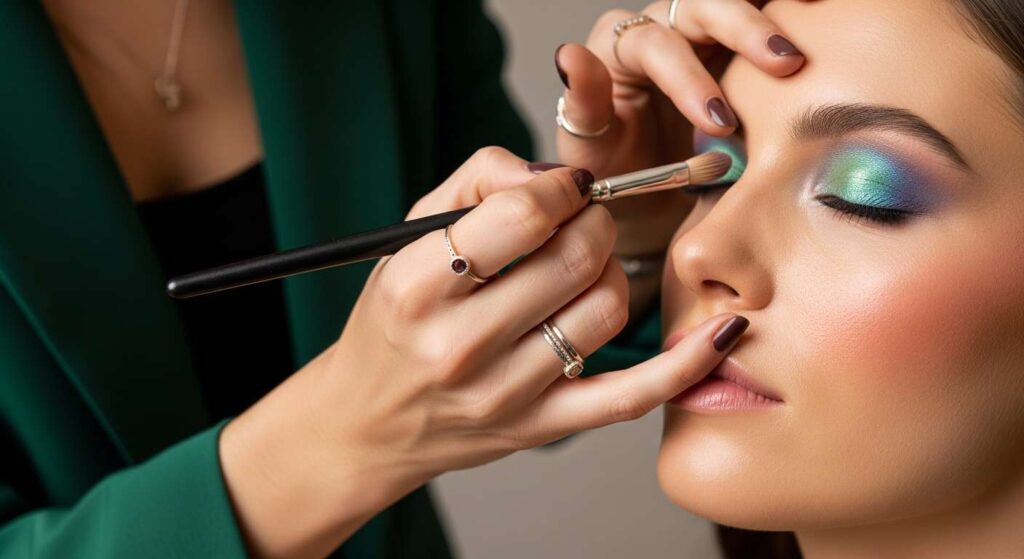
Foundation remains one of the most widely used cosmetic products in the beauty industry, yet its application continues to spark debate amongst professionals. A prominent makeup artist has recently issued a stark warning about one particular facial zone that should remain untouched by this complexion-perfecting product. The guidance challenges conventional wisdom and highlights a common mistake that could be sabotaging your makeup routine. Understanding where not to apply foundation proves just as crucial as mastering the technique itself, particularly for those seeking a natural, long-lasting finish that enhances rather than masks the skin.
Makeup expertise: professional advice
The professional consensus on foundation placement
According to leading makeup artists, the area directly under the eyes should never receive foundation application. This zone, extending from the inner corner of the eye to the outer edge and sitting just above the cheekbone, requires specialised treatment rather than standard base coverage. Professional makeup artists emphasise that this delicate region possesses unique characteristics that make it incompatible with traditional foundation formulas.
The under-eye area features significantly thinner skin compared to other facial zones, measuring approximately 0.5 millimetres in thickness versus 2 millimetres elsewhere on the face. This anatomical difference means the skin behaves differently when cosmetics are applied. Foundation formulas, designed for the thicker skin of the cheeks, forehead, and chin, simply cannot perform optimally in this sensitive location.
Why makeup professionals advocate for dedicated products
Industry experts recommend using purpose-designed concealers rather than foundation for under-eye coverage. These products contain specific ingredients and textures formulated to address the unique needs of this facial area:
- Lighter pigmentation that brightens rather than masks
- Hydrating components to prevent moisture loss
- Flexible formulas that move with facial expressions
- Colour-correcting properties to neutralise darkness
- Lightweight textures that prevent creasing
This professional guidance stems from years of experience working with diverse skin types and observing how different products perform throughout extended wear periods. Understanding these distinctions helps explain why the under-eye zone demands special consideration in any makeup routine.
Why avoid foundation on certain areas
The structural vulnerabilities of under-eye skin
The skin beneath the eyes lacks the sebaceous glands present elsewhere on the face, making it naturally drier and more prone to dehydration. When foundation is applied to this area, it can exacerbate dryness and create an unflattering appearance. The absence of natural oils means the skin cannot properly blend or hold foundation in the same manner as other facial regions.
Additionally, this zone experiences constant movement from blinking, squinting, and facial expressions. Foundation formulas, which typically contain more pigment and coverage than concealers, settle into fine lines and emphasise wrinkles rather than concealing them. The heavier texture of most foundations makes them unsuitable for an area that requires flexibility and lightness.
The makeup artist’s reasoning explained
Professional makeup artists observe that foundation application under the eyes creates several problematic outcomes:
| Issue | Cause | Visual result |
|---|---|---|
| Creasing | Heavy texture settling into lines | Accentuated wrinkles and age appearance |
| Caking | Excess product buildup | Unnatural, mask-like finish |
| Dullness | Wrong undertones for brightening | Grey or ashen appearance |
| Dryness | Insufficient hydration in formula | Flaky, textured surface |
These observations form the foundation of professional advice against using standard foundation products in the under-eye region. The evidence gathered through practical application reinforces the importance of selecting appropriate products for each facial zone.
The consequences of improper application
Short-term aesthetic problems
Applying foundation beneath the eyes produces immediate visible issues that compromise the overall makeup look. The product typically appears cakey within hours, settling into fine lines and creating a textured, uneven surface that draws attention to imperfections rather than concealing them. This creasing becomes particularly noticeable in photographs, where flash photography highlights every crease and line.
The wrong product choice also affects colour correction. Foundation shades are matched to overall skin tone, not the specific undertones present in under-eye circles. This mismatch results in inadequate coverage of darkness or discolouration, defeating the primary purpose of applying base makeup to this area.
Long-term skin health implications
Beyond immediate aesthetic concerns, repeated application of unsuitable products to the under-eye area can contribute to premature ageing. The delicate skin may experience increased dryness, leading to more pronounced fine lines over time. Heavy foundation formulas can also migrate into the eye area, potentially causing irritation or sensitivity.
The cumulative effect of using inappropriate products includes a breakdown of the skin’s natural barrier function, making the area more susceptible to environmental damage and accelerating visible signs of ageing. These long-term consequences underscore the importance of following professional guidance regarding product selection and placement.
Tips for successful foundation application
Strategic application techniques
Professional makeup artists recommend applying foundation to the face whilst deliberately avoiding the under-eye zone. The correct approach involves:
- Starting from the centre of the face and blending outwards
- Stopping foundation application at the orbital bone
- Using a damp beauty sponge for seamless blending
- Building coverage gradually in thin layers
- Setting with translucent powder only where necessary
This method ensures optimal coverage where needed whilst preserving the delicate under-eye area for appropriate concealer application. The technique creates a natural, cohesive finish that appears professionally executed.
Selecting the right concealer
Choosing an appropriate under-eye concealer requires consideration of specific factors distinct from foundation selection. The ideal concealer should be one to two shades lighter than your natural skin tone to provide brightening effects. The formula must contain hydrating ingredients such as hyaluronic acid or glycerin to maintain skin moisture throughout the day.
Application technique matters equally. Professionals recommend dotting concealer in an inverted triangle shape beneath the eye, then gently patting with a fingertip or damp sponge to blend. This method provides coverage whilst maintaining the product’s brightening properties and preventing excessive rubbing that could irritate sensitive skin.
Alternatives to foundation for a flawless complexion
Lightweight coverage options
For those seeking alternatives to traditional foundation, several products offer coverage without the heaviness that proves problematic in delicate facial areas. Tinted moisturisers provide light coverage whilst delivering hydration, making them suitable for overall facial application including areas near the eyes. BB and CC creams offer similar benefits with added skincare properties.
Skin tints represent another popular alternative, providing barely-there coverage that evens skin tone without masking natural texture. These products typically contain fewer pigments than foundation, reducing the risk of creasing or caking in problematic areas.
Targeted treatment approaches
Addressing specific skin concerns through targeted treatments can reduce reliance on heavy coverage products:
- Vitamin C serums for brightening and evening skin tone
- Retinol products to improve texture and reduce fine lines
- Niacinamide for minimising pore appearance
- Peptide formulas to enhance skin firmness
- Colour-correcting primers to neutralise discolouration
These treatments work beneath makeup to improve skin quality, potentially reducing the amount of coverage required and creating a more naturally flawless appearance.
Towards an adapted beauty routine for healthy skin
Building a skin-first approach
Modern beauty philosophy increasingly emphasises skincare as the foundation of any successful makeup routine. Prioritising skin health through proper cleansing, moisturising, and sun protection creates an ideal canvas that requires less corrective coverage. This approach proves particularly beneficial for the under-eye area, where prevention of concerns surpasses correction in effectiveness.
Incorporating eye creams specifically formulated for the under-eye zone addresses concerns such as puffiness, dark circles, and fine lines at their source. Regular use of these targeted treatments can diminish the need for heavy concealer application, supporting both immediate appearance and long-term skin health.
Customising your routine
An effective beauty routine acknowledges that different facial areas require different approaches. The under-eye zone benefits from gentle, hydrating products, whilst the T-zone may need mattifying formulas. Recognising these distinctions allows for personalised application strategies that optimise results across all facial regions.
Professional guidance suggests reassessing your routine seasonally, as environmental factors influence skin behaviour and product performance. This adaptive approach ensures your makeup application remains appropriate for current skin conditions and needs.
The professional consensus regarding foundation placement offers valuable insight into achieving optimal makeup results whilst protecting delicate skin. Avoiding foundation application directly beneath the eyes prevents common issues including creasing, caking, and premature ageing of this vulnerable area. By selecting appropriate concealers designed specifically for under-eye use and adopting proper application techniques, anyone can achieve a flawless complexion that appears natural and lasts throughout the day. Embracing a skin-first philosophy and recognising the unique needs of different facial zones ultimately creates a more effective, sustainable beauty routine that enhances rather than compromises skin health.