



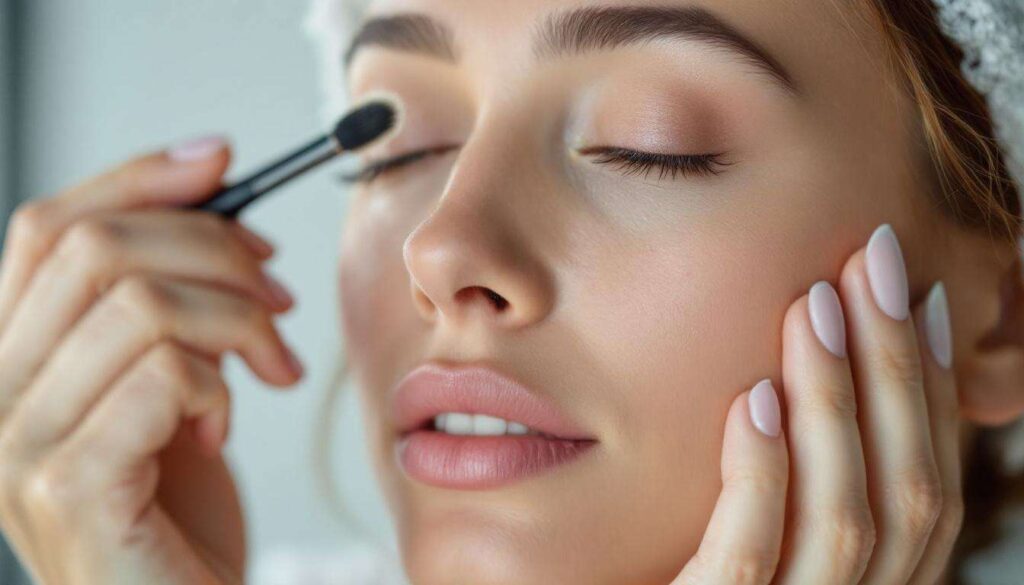
Achieving a flawless complexion in photographs whilst maintaining a natural appearance has become increasingly important in our image-conscious society. Many individuals struggle with makeup that settles into fine lines, creating an unflattering cakey effect that becomes particularly noticeable under camera flash. The solution lies not in applying more product, but in mastering specific techniques that enhance your natural features whilst minimising the appearance of wrinkles. This approach combines strategic product selection with precise application methods to create a luminous, youthful appearance that photographs beautifully.
Understanding the cakey effect and its causes
What creates the cakey appearance
The cakey effect occurs when makeup products accumulate in fine lines and wrinkles, creating visible texture that emphasises rather than conceals signs of ageing. This phenomenon happens when too much product settles into skin creases, forming noticeable ridges that catch light unfavourably. Dehydrated skin exacerbates this issue, as dry patches absorb foundation unevenly, creating a patchy, heavy appearance. The problem intensifies throughout the day as natural oils mix with powder products, causing them to oxidise and appear darker or more pronounced.
Primary culprits behind texture issues
Several factors contribute to this unwanted effect:
- Excessive powder application that creates build-up in expression lines
- Using products with heavy formulations unsuitable for mature skin
- Inadequate skin preparation before makeup application
- Layering incompatible products that separate or pill on the skin
- Neglecting proper moisturisation and priming steps
How skin texture affects makeup wear
Mature skin naturally loses elasticity and moisture over time, creating a surface that requires specialised makeup techniques. Fine lines around the eyes, mouth, and forehead become more pronounced when traditional makeup methods are employed. Understanding your skin’s specific needs allows you to select appropriate products and application techniques that work with your natural texture rather than against it.
Recognising these fundamental causes provides the foundation for implementing effective solutions that address both immediate concerns and long-term skin health.
Choosing the right products for a smooth complexion
Foundation formulations for mature skin
Selecting the appropriate foundation is crucial for achieving a flawless finish. Liquid and serum foundations with hydrating properties work best for preventing the cakey effect, as they blend seamlessly into skin without settling into fine lines. Look for formulations containing hyaluronic acid, glycerin, or squalane, which provide moisture whilst offering coverage. Avoid matte foundations that can emphasise texture; instead, opt for luminous or satin finishes that reflect light naturally.
| Product Type | Best For | Coverage Level |
|---|---|---|
| Serum foundation | Dry, mature skin | Light to medium |
| Hydrating liquid | Normal to dry skin | Medium to full |
| Cushion compact | Quick application | Light to medium |
| Tinted moisturiser | Minimal coverage needs | Sheer to light |
Essential products for a complete routine
Building a proper makeup wardrobe requires specific items designed to work harmoniously:
- Hydrating primer with light-reflecting particles to create a smooth canvas
- Creamy concealer that doesn’t crease or dry down completely
- Finely-milled setting powder used sparingly in strategic areas only
- Cream-based blush and highlighter for dimensional colour
- Setting spray with a dewy finish to meld products together
Ingredients to seek and avoid
Understanding product ingredients helps you make informed choices. Beneficial ingredients include peptides, antioxidants, and light-diffusing particles that blur imperfections optically. Avoid products containing high concentrations of alcohol, which can dry skin and accelerate the cakey effect. Silicone-based primers can create a temporary smoothing effect, but use them judiciously as they may cause separation when layered with certain foundations.
With the right products assembled, the focus shifts to how these items are applied to maximise their anti-ageing benefits.
Application techniques for anti-wrinkle makeup
Proper skin preparation
The secret to wrinkle-resistant makeup begins before any colour touches your face. Start with thoroughly cleansed skin, followed by a hydrating serum that plumps fine lines from within. Allow products to absorb fully before proceeding to the next step. Apply a moisturiser suitable for your skin type, waiting at least five minutes before primer application. This layering technique creates a hydrated base that prevents makeup from clinging to dry patches or settling into creases.
Strategic application methods
Application technique matters as much as product selection. Use a damp beauty sponge to apply foundation in gentle pressing motions rather than dragging or rubbing, which can emphasise texture. Focus coverage where needed rather than applying uniformly across the entire face. For areas with pronounced wrinkles, use the stippling technique, gently bouncing product onto skin to build coverage without disturbing the surface.
The minimal powder approach
Powder should be applied sparingly and strategically. Use a fluffy brush to dust a small amount only on the T-zone or areas prone to shine. Avoid applying powder near the eyes, nasolabial folds, or other areas with fine lines. Consider the baking technique adapted for mature skin: apply a thin layer of powder, wait two minutes, then gently sweep away excess with a damp sponge, leaving a barely-there finish that controls oil without adding texture.
Layering cream products effectively
Cream formulations work beautifully for mature skin when applied correctly:
- Warm products between fingers before application for easier blending
- Use tapping motions rather than rubbing to place colour precisely
- Build coverage gradually with thin layers rather than one heavy application
- Allow each layer to set briefly before adding the next
- Finish with a hydrating mist to ensure all products meld seamlessly
These application methods create a foundation for makeup that not only looks natural in person but also translates beautifully on camera.
Tips for brightening the complexion in photos
Understanding light-reflecting properties
Photography relies heavily on how light interacts with surfaces, making strategic illumination essential for flattering images. Products containing light-reflecting particles create a soft-focus effect that minimises the appearance of wrinkles whilst adding dimension to the face. Pearl and champagne-toned highlighters work better than stark white or silver shades, which can appear unnatural under camera flash. Place these products on the high points of the face where light naturally hits: cheekbones, bridge of the nose, cupid’s bow, and brow bones.
Colour correction for radiance
Addressing discolouration before foundation application creates a more even canvas that photographs beautifully. Use colour-correcting products sparingly to neutralise specific concerns:
| Concern | Corrector Colour | Application Area |
|---|---|---|
| Dark circles | Peach or orange | Under eyes |
| Redness | Green | Cheeks, nose |
| Dullness | Lavender | Overall face |
| Sallowness | Pink | Overall face |
Strategic highlighting techniques
Highlighting requires precision to avoid looking oily or overdone in photographs. Apply liquid or cream highlighter before powder products, blending thoroughly to avoid distinct lines. Focus on creating subtle dimension rather than obvious shimmer. The inner corners of eyes benefit from a small amount of champagne-toned highlighter, which opens up the eye area and counteracts shadows that can appear as wrinkles on camera.
The role of setting spray
A quality setting spray serves multiple purposes: it melds all makeup layers together, adds a natural sheen, and helps makeup withstand the heat of photography lights. Choose sprays with a luminous finish rather than matte formulations. Hold the bottle at arm’s length and mist in an X and T pattern across the face, allowing the product to dry naturally without touching your face.
Understanding what not to do proves equally important as mastering proper techniques for achieving a flawless appearance.
Avoiding common makeup mistakes
Over-application pitfalls
The most frequent error involves using excessive product in an attempt to achieve better coverage. This counterproductive approach actually emphasises texture and creates the very cakey effect you’re trying to avoid. More makeup settles into fine lines, making them more visible rather than concealed. Start with minimal product and build gradually only where additional coverage is genuinely needed. Remember that strategic coverage looks more natural than uniform, heavy application across the entire face.
Incorrect product combinations
Mixing incompatible formulations leads to separation, pilling, or uneven wear throughout the day:
- Silicone-based primers don’t always work well with water-based foundations
- Oil-free products can separate when layered over oil-rich moisturisers
- Powder products applied over tacky cream products create texture
- Using too many different product types in one routine increases incompatibility risk
Neglecting skin care integration
Treating makeup and skin care as separate entities rather than complementary systems creates problems. Makeup cannot compensate for poorly prepared skin. Skipping moisturiser to save time results in foundation clinging to dry patches. Failing to use SPF means makeup must work harder to cover sun damage. Integrated skin care creates the ideal canvas for makeup application, reducing the amount of product needed whilst improving overall appearance.
Flash photography considerations
Certain products and techniques that look perfect in natural light can appear problematic under camera flash. SPF products containing physical sunscreen ingredients like zinc oxide or titanium dioxide can cause flashback, appearing as a white cast in photographs. Products with heavy shimmer or glitter reflect light too intensely, creating hot spots. Test your makeup under various lighting conditions, including flash photography, before important events.
Professional makeup artists offer valuable insights that can elevate your technique beyond basic application methods.
Expert advice for a natural look
Professional techniques adapted for daily use
Makeup artists working with mature clients employ specific methods that translate well to everyday application. The triangle method for concealer placement involves drawing small triangles under the eyes with the point facing downward, then blending upward and outward. This technique lifts the eye area optically whilst providing coverage. Another professional secret involves mixing a drop of facial oil with foundation for enhanced hydration and a naturally luminous finish that photographs beautifully.
Adapting makeup to different lighting
Understanding how various lighting conditions affect makeup appearance allows you to adjust your routine accordingly. Natural daylight reveals the most accurate colour and texture, making it ideal for application. Indoor lighting tends to yellow, requiring slightly cooler-toned products. Photography lighting, particularly flash, demands specific considerations:
- Use slightly more blush than feels comfortable, as cameras flatten colour
- Define features with contouring that appears subtle in person
- Choose foundations one shade lighter than your natural skin tone
- Avoid products with SPF immediately before flash photography
- Set makeup thoroughly to prevent shine from appearing as oil
Maintaining makeup throughout the day
Longevity matters as much as initial application. Carry blotting papers rather than powder for touch-ups, as additional powder throughout the day increases the cakey effect. If refreshing is necessary, mist your face lightly with setting spray before gently pressing powder only where absolutely needed. For extended wear, consider using a makeup setting technique called the sandwich method: apply cream products, dust with minimal powder, apply more cream products, then finish with setting spray.
Continuous improvement and experimentation
Skin changes over time, requiring adjustments to your makeup routine. What worked perfectly five years ago may no longer suit your current needs. Regularly reassess your products and techniques, remaining open to new formulations and methods. Take photographs of your makeup under different conditions to identify areas for improvement. Professional makeup lessons or consultations provide personalised guidance that addresses your specific concerns and features.
Mastering anti-wrinkle makeup techniques requires understanding product selection, application methods, and how makeup interacts with mature skin. The cakey effect results from excessive product use and improper application rather than the natural ageing process itself. Choosing hydrating formulations, applying them strategically with appropriate tools, and using minimal powder creates a smooth, luminous complexion that photographs beautifully. Light-reflecting products placed on facial high points add dimension whilst minimising the appearance of fine lines. Avoiding common mistakes like over-application and incompatible product combinations ensures makeup enhances rather than emphasises texture. Professional techniques adapted for everyday use, combined with proper skin preparation and realistic expectations, deliver natural-looking results that boost confidence both in person and on camera. The goal remains not to mask maturity but to present your most radiant, polished self through thoughtful makeup application that celebrates your features.