



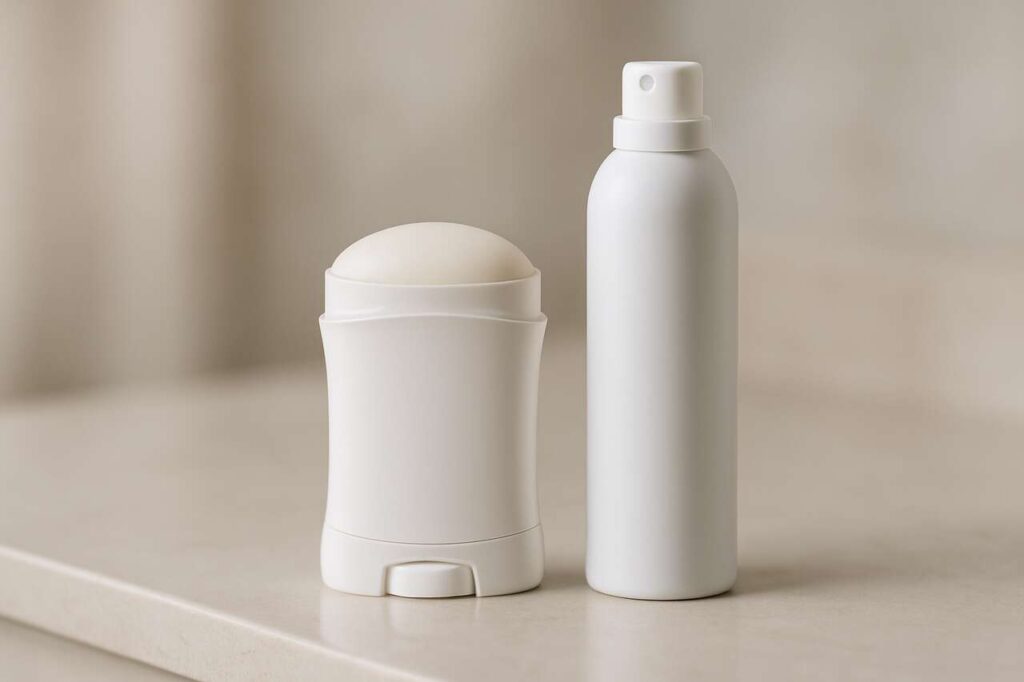
The choice between antiperspirant and deodorant often leaves consumers confused, standing in supermarket aisles scrutinising labels and wondering which product truly meets their needs. Despite both occupying similar shelf space and sharing the common goal of keeping us fresh, these products function through entirely different mechanisms. Understanding the distinction between how antiperspirants and deodorants work enables informed decisions about personal care routines. This article examines the scientific principles behind each product type, their respective benefits and potential concerns, helping readers navigate the increasingly crowded body care market with confidence.
Understanding the function of antiperspirants and deodorants
The fundamental difference in purpose
Antiperspirants and deodorants address body freshness through contrasting approaches. Antiperspirants actively prevent perspiration by blocking sweat glands, whilst deodorants tackle the odour that results from bacterial activity on the skin’s surface. This distinction represents more than mere semantics; it reflects fundamentally different product compositions and regulatory classifications.
In the United Kingdom, antiperspirants are classified as cosmetic products with specific claims, whilst deodorants fall into a simpler cosmetic category. The key differences include:
- Antiperspirants contain active ingredients that temporarily block sweat ducts
- Deodorants use antimicrobial agents and fragrances to neutralise odour
- Antiperspirants require clinical testing to support efficacy claims
- Deodorants focus on masking or eliminating bacterial breakdown products
Product composition and active ingredients
The active ingredients distinguish these products at a molecular level. Antiperspirants typically contain aluminium-based compounds, whilst deodorants rely on alcohol, antimicrobial agents and fragrances. This compositional difference determines how each product interacts with skin physiology.
| Product Type | Primary Active Ingredient | Secondary Components |
|---|---|---|
| Antiperspirant | Aluminium chlorohydrate or aluminium zirconium | Emollients, fragrances, preservatives |
| Deodorant | Alcohol, triclosan or natural antimicrobials | Fragrances, moisturisers, plant extracts |
These compositional differences explain why some individuals experience varying results with different product categories. Understanding what each product actually does helps explain why antiperspirants might feel more effective for those with excessive sweating concerns.
How antiperspirants work to reduce perspiration
The mechanism of sweat reduction
Aluminium salts create temporary plugs within sweat ducts, physically preventing perspiration from reaching the skin’s surface. When applied to the underarm area, these compounds dissolve in the moisture present on the skin, forming a gel-like substance that blocks the opening of eccrine sweat glands. This process typically takes several hours to become fully effective, which explains why dermatologists often recommend evening application.
The blocking mechanism works through these stages:
- Aluminium compounds penetrate the upper layer of sweat ducts
- Moisture causes the aluminium salts to swell and form a gel
- The gel creates a temporary barrier preventing sweat flow
- Natural skin turnover gradually removes these plugs over 24-48 hours
Efficacy rates and clinical evidence
Clinical studies demonstrate that antiperspirants can reduce underarm sweating by 20-60 per cent depending on the concentration of active ingredients. Prescription-strength formulations containing higher aluminium concentrations achieve greater sweat reduction, sometimes exceeding 70 per cent effectiveness in controlled trials.
| Aluminium Concentration | Typical Sweat Reduction | Availability |
|---|---|---|
| 10-15% | 20-30% | Standard retail products |
| 15-20% | 30-50% | Clinical strength over-the-counter |
| 20-25% | 50-70% | Prescription formulations |
These figures highlight why individuals with hyperhidrosis often require stronger formulations than those available in standard supermarket ranges. The science behind sweat reduction naturally leads to questions about how deodorants address the complementary issue of body odour.
The efficacy of deodorants against body odours
The bacterial basis of body odour
Body odour originates not from sweat itself but from bacterial metabolism of proteins and lipids in apocrine sweat. The underarm environment provides ideal conditions for bacterial growth: warmth, moisture and nutrients. Deodorants combat this process by creating an inhospitable environment for odour-causing bacteria whilst masking any residual smells with fragrances.
The antimicrobial action of deodorants targets specific bacterial species:
- Corynebacterium species that produce volatile fatty acids
- Staphylococcus epidermidis contributing to sulphurous compounds
- Other skin flora that metabolise sweat components
Deodorant formulation strategies
Modern deodorants employ multiple approaches to odour control, combining antimicrobial agents with odour-neutralising compounds and masking fragrances. Alcohol-based formulations create an acidic environment that inhibits bacterial growth, whilst newer natural alternatives use plant-derived antimicrobials such as tea tree oil or sage extract.
The effectiveness of deodorants depends heavily on application frequency and individual body chemistry. Some people find deodorants perfectly adequate for their needs, particularly if they naturally perspire minimally. Others discover that without the sweat-reducing properties of antiperspirants, deodorants alone prove insufficient during physical activity or stressful situations. This variability in individual response makes product selection a highly personal matter.
Choosing the right product for personal needs
Assessing individual requirements
Selecting between antiperspirants and deodorants requires honest assessment of personal sweating patterns, activity levels and skin sensitivity. Those who experience visible perspiration or dampness on clothing typically benefit more from antiperspirants, whilst individuals primarily concerned with odour control may find deodorants sufficient.
Key factors influencing product choice include:
- Volume of perspiration experienced during typical daily activities
- Presence of stress-induced sweating episodes
- Skin sensitivity and history of irritation
- Personal preferences regarding product texture and application method
- Environmental conditions and climate considerations
Product formats and delivery systems
Both antiperspirants and deodorants come in various formats, each offering distinct advantages. Roll-ons provide precise application and maximum skin contact, sprays offer quick-drying convenience, whilst sticks deliver concentrated product directly to the target area.
| Format | Advantages | Considerations |
|---|---|---|
| Roll-on | Even coverage, economical | Requires drying time |
| Spray | Quick application, no skin contact | Less precise, environmental concerns |
| Stick | Portable, concentrated formula | May leave white marks |
| Cream | Gentle, suitable for sensitive skin | Requires hand application |
Individual lifestyle factors should guide format selection as much as the choice between antiperspirant and deodorant functionality. Understanding the health implications of these products provides another crucial dimension to informed decision-making.
The health impacts of antiperspirants and deodorants
Addressing aluminium safety concerns
The safety of aluminium-based antiperspirants has generated considerable public debate, with concerns about potential links to breast cancer and Alzheimer’s disease circulating widely. However, extensive research by cancer organisations and regulatory bodies has found no conclusive evidence supporting these connections. The NHS and Cancer Research UK both state that current scientific evidence does not demonstrate that antiperspirants increase cancer risk.
Key findings from health research include:
- Aluminium absorption from antiperspirants remains minimal compared to dietary sources
- No peer-reviewed studies establish causative links between antiperspirant use and breast cancer
- The body efficiently eliminates absorbed aluminium through kidney function
- Regulatory bodies worldwide continue to approve aluminium compounds for cosmetic use
Skin sensitivity and irritation
Contact dermatitis represents the most common adverse reaction to both antiperspirants and deodorants, affecting approximately 2-3 per cent of users. Fragrances cause the majority of allergic reactions, followed by preservatives and, less commonly, aluminium compounds themselves. Individuals with sensitive skin should consider fragrance-free formulations and patch-test new products before regular use.
The rise of natural and aluminium-free alternatives reflects consumer demand for products perceived as gentler or more environmentally friendly. These formulations typically rely on mineral salts, plant-based antimicrobials and absorbent powders, though their efficacy varies considerably compared to conventional antiperspirants. The evolving landscape of body care products continues to expand options for diverse consumer preferences.
Trends and innovations in body care
Natural and sustainable formulations
The body care market has witnessed significant growth in natural deodorants and aluminium-free alternatives, driven by consumer interest in clean beauty and environmental sustainability. These products often feature ingredients such as baking soda, arrowroot powder, coconut oil and essential oils, marketed as safer alternatives to conventional formulations.
Popular natural ingredients include:
- Sodium bicarbonate for odour neutralisation and moisture absorption
- Magnesium hydroxide as a gentler alkaline alternative
- Activated charcoal for toxin absorption claims
- Probiotics to balance skin microbiome
- Plant-derived waxes and butters for product structure
Technological advances in sweat management
Innovative delivery systems and novel active ingredients represent the cutting edge of antiperspirant development. Microencapsulation technology releases active ingredients gradually throughout the day, whilst peptide-based formulations aim to modulate sweat gland activity through different mechanisms than traditional aluminium salts.
| Innovation | Mechanism | Availability |
|---|---|---|
| Microencapsulation | Controlled release of active ingredients | Premium retail products |
| Peptide technology | Modulates sweat gland signalling | Emerging research phase |
| Probiotic formulations | Balances skin bacterial populations | Specialist natural brands |
The body care industry continues evolving, balancing efficacy demands with consumer preferences for natural ingredients and sustainable packaging. These developments offer increasingly diverse options for managing perspiration and odour according to individual values and requirements.
The distinction between antiperspirants and deodorants centres on their primary function: antiperspirants reduce perspiration through aluminium-based compounds that temporarily block sweat ducts, whilst deodorants address odour through antimicrobial agents and fragrances. Personal needs, activity levels and skin sensitivity should guide product selection, with antiperspirants suited to those concerned about visible sweating and deodorants adequate for individuals primarily focused on odour control. Despite persistent concerns about aluminium safety, scientific evidence supports the continued use of conventional antiperspirants, though natural alternatives provide viable options for those preferring different formulations. Understanding these fundamental differences empowers consumers to select body care products aligned with their specific requirements and personal preferences.