



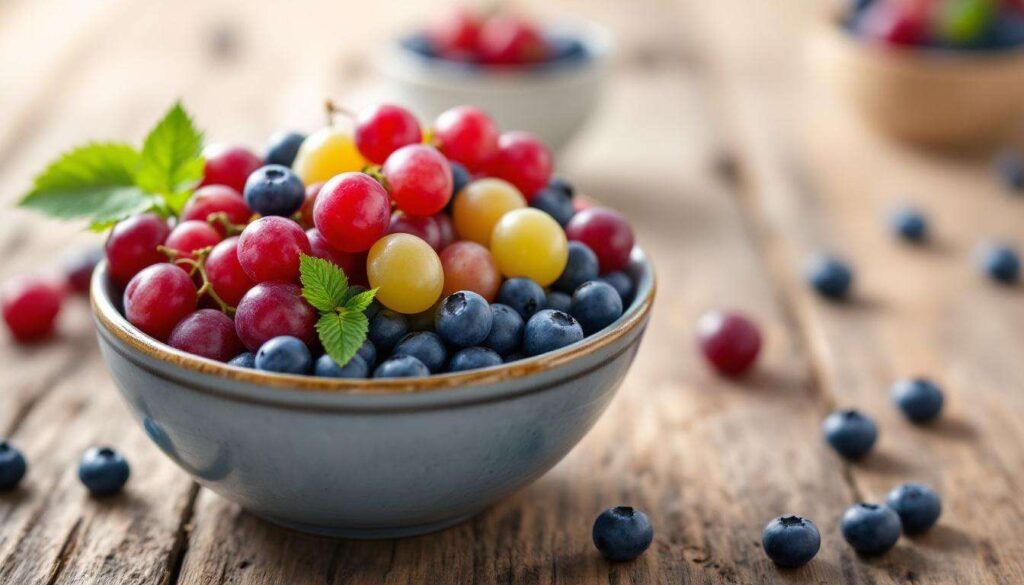
Heart disease remains one of the leading causes of mortality worldwide, prompting countless individuals to seek dietary solutions that might reduce their risk. Among the vast array of fruits available, blueberries and grapes have emerged as particularly promising candidates for cardiovascular protection. Both fruits boast impressive nutritional profiles and have been the subject of extensive scientific research examining their potential to support heart health. Understanding the specific benefits each fruit offers can help consumers make informed choices about which to incorporate into their daily diet. This comparison explores the nutritional composition, cardiovascular advantages, and antioxidant properties of both blueberries and grapes to determine which fruit deserves priority in a heart-healthy eating plan.
Comparison of nutrients in blueberries and grapes
Macronutrient and calorie content
Both blueberries and grapes provide relatively low-calorie options for those seeking nutritious snacks. Blueberries contain approximately 57 calories per 100 grams, whilst grapes offer around 69 calories for the same serving size. The carbohydrate content differs slightly, with grapes providing roughly 18 grams per 100 grams compared to blueberries’ 14 grams. Both fruits contain minimal amounts of protein and fat, making them primarily sources of natural sugars and fibre.
| Nutrient (per 100g) | Blueberries | Grapes |
|---|---|---|
| Calories | 57 | 69 |
| Carbohydrates | 14g | 18g |
| Fibre | 2.4g | 0.9g |
| Vitamin C | 9.7mg | 3.2mg |
| Vitamin K | 19.3µg | 14.6µg |
Vitamin and mineral composition
The micronutrient profiles of these two fruits reveal distinct advantages for each. Blueberries contain significantly higher levels of vitamin C, providing nearly three times the amount found in grapes. They also offer superior vitamin K content, which plays a crucial role in blood clotting and bone health. Grapes, however, excel in providing certain B vitamins and contain notable amounts of copper and potassium. The fibre content in blueberries substantially exceeds that of grapes, with 2.4 grams versus 0.9 grams per 100-gram serving, making blueberries particularly beneficial for digestive health and blood sugar regulation.
These nutritional differences set the stage for understanding how each fruit specifically influences cardiovascular function through distinct biological mechanisms.
Cardiovascular benefits of blueberries
Impact on blood pressure regulation
Research has consistently demonstrated that regular blueberry consumption can lead to meaningful reductions in blood pressure. Studies have shown that consuming approximately one cup of blueberries daily for eight weeks can reduce systolic blood pressure by 4-6 mmHg in individuals with hypertension. The anthocyanins present in blueberries appear to enhance nitric oxide production in blood vessels, promoting vasodilation and improved blood flow. This mechanism directly addresses one of the primary risk factors for heart disease and stroke.
Cholesterol management and arterial health
Blueberries have demonstrated remarkable effects on lipid profiles and arterial function. Clinical trials have revealed several key benefits:
- Reduction in LDL cholesterol oxidation, which prevents plaque formation in arteries
- Improvement in HDL cholesterol levels, supporting the removal of harmful cholesterol
- Enhanced endothelial function, allowing blood vessels to respond appropriately to circulatory demands
- Decreased arterial stiffness, which reduces strain on the cardiovascular system
The high fibre content in blueberries further contributes to cholesterol management by binding to bile acids in the digestive system and promoting their excretion, forcing the body to utilise cholesterol to produce new bile acids.
Whilst blueberries offer these compelling cardiovascular advantages, grapes present their own unique set of heart-protective properties worth examining.
The effects of grapes on heart health
Resveratrol and cardiovascular protection
Grapes, particularly red and purple varieties, contain resveratrol, a polyphenol compound that has garnered substantial attention in cardiovascular research. This compound exhibits anti-inflammatory properties and has been shown to protect the inner lining of blood vessels from damage. Resveratrol activates certain proteins that promote longevity and cellular health, potentially reducing the risk of age-related cardiovascular decline. The concentration of resveratrol is highest in grape skins, making whole grapes more beneficial than grape juice for heart health.
Blood clot prevention and circulation improvement
Grapes contain compounds that influence blood clotting mechanisms and overall circulation. The fruit’s polyphenols help prevent excessive platelet aggregation, reducing the risk of dangerous blood clots that can lead to heart attacks or strokes. Research has indicated that grape consumption can improve several circulation markers:
- Enhanced blood flow to the brain, potentially reducing cognitive decline
- Improved peripheral circulation, benefiting extremities and overall oxygen delivery
- Reduced inflammation markers associated with atherosclerosis
- Better vascular flexibility and responsiveness to physiological demands
The natural sugars in grapes provide quick energy whilst the accompanying phytonutrients help mitigate potential negative effects on blood sugar levels when consumed in moderation.
Understanding these specific cardiovascular benefits leads naturally to examining the broader antioxidant profiles that underpin many of these protective effects.
Antioxidants: blueberries or grapes ?
Anthocyanin content and diversity
Blueberries rank among the highest of all commonly consumed fruits in total antioxidant capacity, largely due to their exceptional anthocyanin content. These pigments, responsible for the fruit’s deep blue colour, possess powerful anti-inflammatory and antioxidant properties. Blueberries contain at least 15 different anthocyanins, providing a diverse array of protective compounds. Grapes also contain anthocyanins, particularly in red and black varieties, though generally in lower concentrations than blueberries.
Overall antioxidant capacity comparison
When measured using the Oxygen Radical Absorbance Capacity (ORAC) scale, blueberries consistently score higher than grapes. This superior antioxidant capacity translates to greater protection against oxidative stress, which damages cells and contributes to cardiovascular disease development. The synergistic effect of multiple antioxidant compounds in both fruits provides benefits beyond what any single compound could achieve:
| Antioxidant Type | Blueberries | Grapes |
|---|---|---|
| Anthocyanins | High concentration | Moderate concentration |
| Resveratrol | Minimal | Significant (in skins) |
| Quercetin | Present | Present |
| ORAC Score | ~4,669 | ~1,837 |
The timing of consumption may influence antioxidant absorption, with some research suggesting that consuming these fruits with a small amount of fat can enhance the bioavailability of certain compounds.
Conclusion: which fruit to prioritise for heart health ?
Both blueberries and grapes offer substantial cardiovascular benefits, making either an excellent addition to a heart-healthy diet. Blueberries emerge as the superior choice for those primarily concerned with blood pressure management, cholesterol reduction, and maximum antioxidant protection. Their higher fibre content, exceptional anthocyanin concentration, and proven effects on arterial function make them particularly valuable for comprehensive cardiovascular support. Grapes, however, provide unique advantages through resveratrol content and specific anti-clotting properties that blueberries cannot match. The ideal approach involves incorporating both fruits into a varied diet, allowing individuals to benefit from the complementary protective mechanisms each offers. For those who must choose one, blueberries represent the more versatile option for overall heart health, though the difference is modest enough that personal preference and availability should also guide selection.