



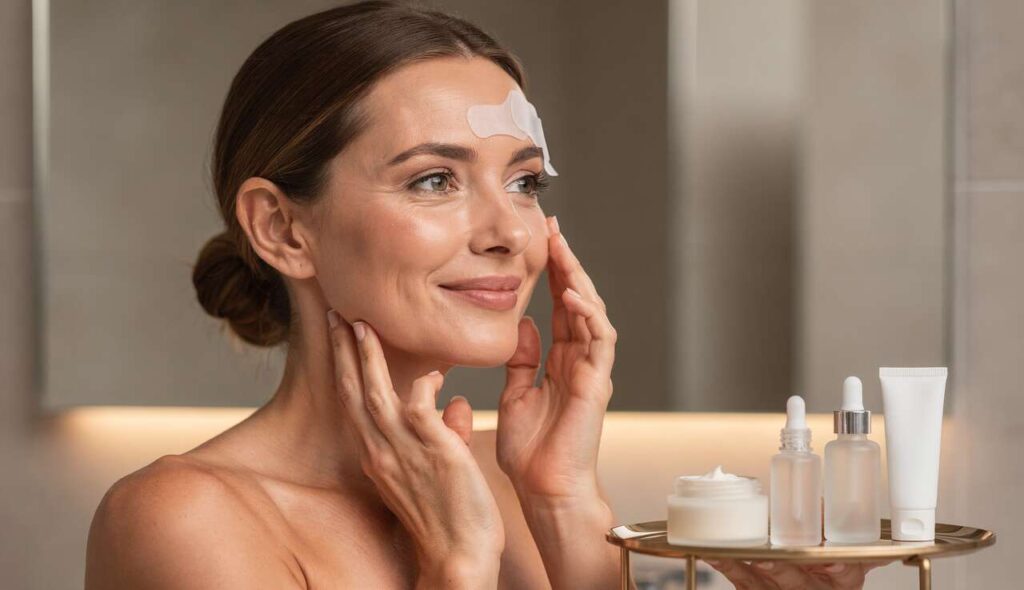
Skincare enthusiasts have long championed hyaluronic acid as the ultimate weapon against ageing, but a new contender has entered the arena. Anti-wrinkle patches are rapidly gaining traction in the beauty industry, promising to deliver visible results in mere minutes rather than the weeks or months typically associated with traditional serums and creams. These innovative patches represent a significant shift in how we approach facial rejuvenation, offering an immediate solution for those seeking quick improvements before important events or as part of their regular skincare routine. The technology behind these products combines advanced materials with targeted delivery systems, creating an entirely new category of instant cosmetic intervention.
The limitations of hyaluronic acid in wrinkle treatment
Molecular size challenges
Hyaluronic acid has dominated the anti-ageing market for years, yet it faces fundamental limitations that restrict its effectiveness. The primary issue stems from molecular size: most hyaluronic acid formulations contain molecules too large to penetrate beyond the skin’s outermost layers. This means the ingredient primarily works as a surface humectant rather than a deep-acting treatment, drawing moisture to the epidermis but failing to address structural concerns in the dermis where wrinkles originate.
Temporary hydration versus structural improvement
The benefits provided by hyaluronic acid are predominantly temporary. Users must apply the product consistently to maintain results, as the effects diminish rapidly once application ceases. Key limitations include:
- Results typically require four to eight weeks of continuous use
- Effectiveness varies significantly based on molecular weight and formulation
- Environmental factors such as humidity levels dramatically impact performance
- Deeper wrinkles show minimal improvement even with prolonged use
- Cost accumulates over time with daily application requirements
The waiting game
Perhaps the most frustrating aspect of hyaluronic acid treatments is the extended timeframe required to observe meaningful changes. For individuals seeking immediate improvements for special occasions or those simply lacking patience for gradual transformations, traditional serums prove inadequate. This gap in the market has created demand for alternatives that deliver faster, more noticeable outcomes.
These inherent drawbacks have prompted researchers and cosmetic companies to explore alternative approaches that bypass the limitations of topical applications.
The emergence of anti-wrinkle patches: a revolution
A paradigm shift in skincare delivery
Anti-wrinkle patches represent a fundamentally different approach to addressing facial lines and creases. Rather than relying on absorption through multiple skin layers, these patches work through mechanical action and occlusive therapy, creating an environment that encourages immediate plumping and smoothing. The concept draws inspiration from medical adhesive technologies, adapted specifically for cosmetic purposes.
Technology meets convenience
The patches combine several mechanisms to achieve rapid results. Their design incorporates medical-grade adhesive materials that gently pull the skin taut whilst simultaneously creating a sealed environment beneath. This occlusion increases hydration levels in the targeted area by preventing transepidermal water loss, whilst the physical tension temporarily relaxes muscle contractions that contribute to dynamic wrinkles.
| Feature | Traditional serums | Anti-wrinkle patches |
|---|---|---|
| Time to visible results | 4-8 weeks | Minutes to hours |
| Application duration | Daily, ongoing | 1-8 hours as needed |
| Primary mechanism | Ingredient absorption | Mechanical and occlusive |
| Targeted application | Broad areas | Specific wrinkles |
Market adoption and accessibility
The patches have transitioned from niche products to mainstream skincare essentials, with major beauty retailers now stocking multiple brands. Their appeal spans demographics, attracting both younger consumers interested in preventative care and mature users seeking alternatives to invasive procedures. The convenience factor cannot be overstated: users can apply patches whilst sleeping, working, or during their morning routine, making them compatible with busy lifestyles.
Understanding what makes these patches effective requires examining their specific composition and how they interact with facial skin.
Composition and operation of the magic patches
Material science behind the innovation
Most anti-wrinkle patches utilise medical-grade silicone or hydrogel as their base material. Silicone patches are reusable, durable, and create excellent occlusion, whilst hydrogel variants often incorporate additional active ingredients that can penetrate during wear. The adhesive layer is formulated to provide sufficient grip without causing irritation or leaving residue, a balance that required extensive research and development.
Active ingredients and enhancements
Whilst the mechanical action provides immediate effects, many patches incorporate complementary ingredients to enhance results:
- Peptides that support collagen production during extended wear
- Vitamin C derivatives for brightening and antioxidant protection
- Retinol in controlled-release formulations for deeper cellular benefits
- Botanical extracts such as green tea or centella asiatica for soothing properties
- Ceramides to strengthen the skin barrier during occlusion
The mechanism explained
When applied to clean skin, the patch creates a microclimate beneath its surface. This sealed environment prevents moisture evaporation, causing the stratum corneum to swell with hydration. Simultaneously, the patch’s tension gently stretches the skin, mechanically smoothing wrinkles from the outside. For dynamic wrinkles caused by repeated facial expressions, the physical barrier restricts movement, allowing muscles to relax. The combination of these factors produces visible smoothing that becomes apparent within minutes and continues to improve throughout the wear period.
The practical question for most consumers centres on timing: exactly how quickly can they expect to see changes ?
Immediate results: how long for smooth skin ?
The first fifteen minutes
Initial improvements typically manifest within fifteen to thirty minutes of application. During this period, the occlusive environment begins increasing hydration levels in the epidermis, creating a plumping effect that softens fine lines. Users often report that shallow wrinkles appear noticeably diminished even at this early stage, though deeper creases require longer wear times for optimal results.
Optimal wear duration
Manufacturers generally recommend wearing patches for two to eight hours to achieve maximum effectiveness. The specific duration depends on several factors:
- Wrinkle depth and severity
- Skin type and natural hydration levels
- Patch composition and design
- Individual skin responsiveness
- Environmental conditions such as humidity
Duration of effects post-removal
After removing the patch, results typically persist for several hours. Fine lines may remain smoothed for four to twelve hours, whilst the effects on deeper wrinkles generally last two to six hours. Regular use can extend these timeframes, as consistent occlusion therapy may encourage longer-term improvements in skin texture and hydration capacity. Some users incorporate patches into their evening routine, enjoying smooth skin throughout the following day after overnight application.
These timeframes contrast sharply with traditional methods, making direct comparison essential for informed decision-making.
Comparison with traditional anti-ageing care methods
Patches versus topical treatments
Traditional creams and serums work gradually by delivering active ingredients that stimulate cellular processes over time. Whilst this approach can produce lasting structural improvements, it lacks the immediacy that patches provide. Conversely, patches offer instant gratification but require ongoing use to maintain results, as they don’t fundamentally alter skin biology in the way that consistent retinoid use might.
| Method | Speed of results | Duration of effects | Cost factor |
|---|---|---|---|
| Anti-wrinkle patches | Minutes to hours | Hours after removal | Moderate, reusable options available |
| Retinol serums | Weeks to months | Ongoing with continued use | Moderate to high, daily application |
| Botulinum toxin injections | Days to weeks | Three to six months | High, requires professional administration |
| Dermal fillers | Immediate | Six to eighteen months | Very high, professional procedure |
The role of invasive procedures
Injectable treatments deliver dramatic, longer-lasting results but involve needles, potential side effects, and significant expense. Patches occupy a middle ground: more effective than daily creams for immediate needs, yet non-invasive and accessible compared to clinical procedures. They serve as an excellent option for individuals not ready for injectables or seeking temporary enhancement for specific occasions.
Real-world experiences from actual users provide valuable insight into how these theoretical benefits translate into practical outcomes.
User feedback: effectiveness and satisfaction
Positive experiences and success stories
Consumer reviews consistently highlight the speed and convenience of anti-wrinkle patches. Users particularly appreciate the ability to target specific problem areas such as forehead lines, crow’s feet, or nasolabial folds without treating the entire face. Many report that patches have become essential components of their pre-event preparation, applied before weddings, presentations, or photography sessions to ensure optimal appearance.
Common criticisms and limitations
Not all feedback proves entirely positive. Some users note:
- Adhesive sensitivity causing redness or irritation in those with reactive skin
- Difficulty achieving proper placement, particularly for smaller patches
- Temporary nature of results requiring frequent reapplication
- Variable effectiveness on very deep, established wrinkles
- Initial adjustment period needed to determine optimal wear time
Professional perspectives
Dermatologists acknowledge that patches provide legitimate temporary smoothing through their mechanical and occlusive mechanisms. However, they emphasise that patches should complement rather than replace comprehensive skincare routines that include sun protection, antioxidants, and proven active ingredients. The consensus suggests patches excel as supplementary tools for immediate needs whilst long-term anti-ageing strategies require multifaceted approaches.
The rise of anti-wrinkle patches reflects broader shifts in consumer preferences towards products offering immediate, visible results without invasive procedures. Whilst hyaluronic acid and traditional serums maintain their place in comprehensive skincare regimens for long-term benefits, patches address a distinct need: rapid, targeted wrinkle reduction for time-sensitive situations. Their effectiveness stems from combining mechanical tension with occlusive hydration, creating an environment where skin temporarily appears smoother and more youthful. For individuals seeking alternatives to needles or patience-testing serums, these innovative patches present a compelling middle option that delivers noticeable improvements within minutes rather than months, though users should maintain realistic expectations about the temporary nature of results and consider patches as one component within a broader anti-ageing strategy.