



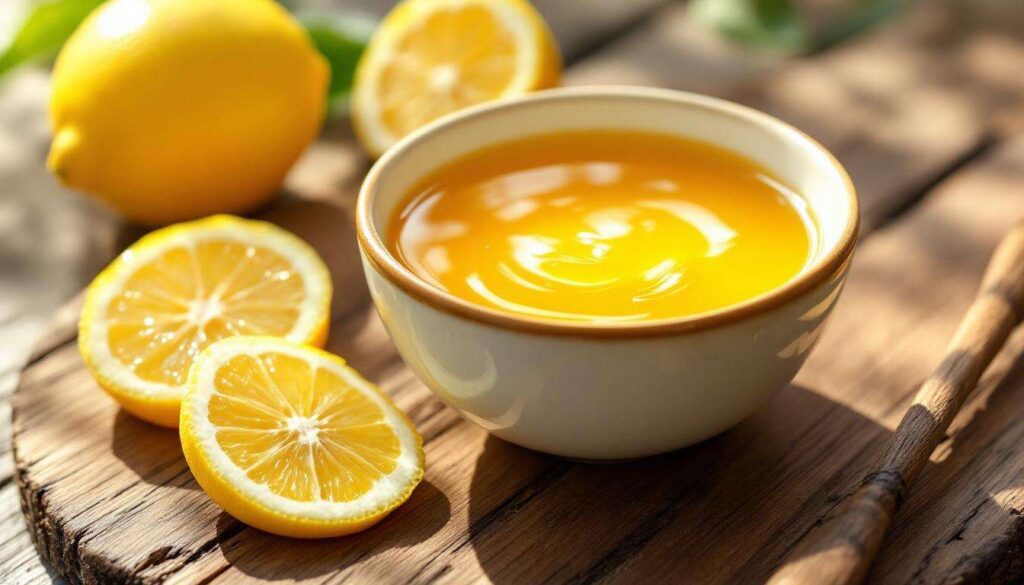
Dark patches above the upper lip can create an unwelcome shadow that many people wish to fade. This discolouration often stems from a blend of fine facial hair, sun exposure and lingering pigmentation beneath the skin surface. A time-tested home remedy combines honey and lemon, two kitchen staples known for their gentle lightening properties. These ingredients work in tandem to gradually reduce the appearance of upper-lip shadow without harsh chemicals or expensive salon treatments.
Why honey and lemon together
The science behind honey’s bleaching effect
Raw honey contains an enzyme called glucose oxidase, which produces small amounts of hydrogen peroxide when it comes into contact with moisture on the skin. This naturally occurring compound acts as a mild bleaching agent, gradually lightening pigmented areas over repeated applications. Unlike commercial bleaching products, honey delivers this effect gently whilst simultaneously nourishing the skin with antioxidants and antimicrobial compounds.
Lemon’s role as a natural exfoliant
Lemon juice brings citric acid to the mixture, a natural alpha hydroxy acid that works to:
- Remove dead skin cells from the surface layer
- Accelerate cell turnover to reveal fresher skin beneath
- Enhance the penetration of honey’s lightening compounds
- Provide additional vitamin C for skin brightening
The acidic nature of lemon juice helps to break down melanin clusters that contribute to the shadowy appearance, whilst its astringent properties tighten pores and refine skin texture.
Synergistic benefits of the combination
When honey and lemon unite in a single treatment, their individual properties complement each other remarkably well. Honey’s moisturising qualities counterbalance lemon’s potential drying effect, whilst lemon’s acidity activates honey’s enzymatic action more effectively. This partnership creates a balanced formula that addresses pigmentation whilst maintaining the skin’s natural barrier function.
Understanding these mechanisms provides the foundation for preparing an effective treatment that respects your skin’s delicate balance.
How to prepare a safe and effective mix
Essential ingredients and proportions
Creating the optimal blend requires precise measurements to ensure both safety and efficacy. The basic recipe calls for:
| Ingredient | Quantity | Purpose |
|---|---|---|
| Raw honey | ½ teaspoon | Lightening and moisturising |
| Fresh lemon juice | 10-15 drops | Exfoliation and brightening |
| Aloe vera gel (optional) | ¼ teaspoon | Soothing and hydration |
Always use fresh lemon juice rather than bottled varieties, as preservatives and additives can irritate sensitive facial skin. Raw, unprocessed honey retains the highest concentration of beneficial enzymes.
Step-by-step preparation method
Follow these steps to create your lightening treatment:
- Cleanse your upper-lip area thoroughly with a gentle, pH-balanced cleanser
- Combine honey and lemon juice in a small, clean bowl
- Mix thoroughly until the ingredients form a smooth, consistent paste
- Add optional soothing agents if your skin tends towards sensitivity
- Perform a patch test on your inner wrist or behind your ear
- Wait 24 hours to check for adverse reactions before facial application
Application technique and timing
Once your mixture passes the sensitivity test, apply a thin, even layer to the upper-lip area using clean fingertips or a cotton bud. Avoid the delicate skin directly on your lips. Leave the treatment in place for 5 to 10 minutes maximum, as prolonged exposure can cause irritation. Rinse thoroughly with lukewarm water and pat dry with a soft towel. Follow immediately with a fragrance-free moisturiser to lock in hydration and protect the newly treated skin.
Proper preparation and application set the stage for examining which skin types benefit most from this treatment and what precautions to observe.
Skin types, risks and alternatives
Suitable candidates for honey-lemon treatment
This natural remedy works best for individuals with Fitzpatrick skin types I to III, who typically experience less risk of post-inflammatory hyperpigmentation. Those with normal to combination skin often tolerate the treatment well, experiencing minimal irritation whilst achieving noticeable lightening effects over several weeks.
Who should avoid this method
Certain conditions and circumstances make this treatment inadvisable:
- Recently waxed or threaded skin (wait at least 48 hours)
- Active cold sores, cuts or abrasions in the treatment area
- Known allergies to citrus fruits or bee products
- Extremely sensitive or rosacea-prone skin
- Darker skin tones (Fitzpatrick IV-VI) prone to post-inflammatory hyperpigmentation
Potential side effects and warning signs
Even with careful application, some individuals may experience adverse reactions. Watch for these warning signs:
| Symptom | Severity | Action required |
|---|---|---|
| Mild tingling | Normal | Continue monitoring |
| Redness lasting over 2 hours | Moderate | Reduce frequency or dilute mixture |
| Burning sensation | High | Rinse immediately and discontinue |
| Darkening of treated area | High | Stop treatment and consult professional |
Gentler alternatives for sensitive skin
If the honey-lemon combination proves too harsh, consider these milder options:
- Yoghurt masks: lactic acid provides gentle exfoliation without acidity
- Liquorice extract: inhibits melanin production naturally
- Niacinamide serums: brighten skin whilst strengthening the barrier
- Azelaic acid: targets pigmentation with minimal irritation
These alternatives offer pathways to lighter skin for those who cannot tolerate citrus-based treatments, leading naturally to questions about realistic expectations and timelines.
Expected results and duration
Realistic timeline for visible changes
Patience proves essential when using natural lightening methods. Most users notice subtle improvements after 6 to 8 treatment sessions, typically spanning 3 to 4 weeks of consistent application. The upper-lip shadow gradually fades as dead skin cells shed and melanin production normalises. Dramatic transformations remain unlikely, but a modest reduction in discolouration becomes apparent to those who maintain regular treatment schedules.
Factors influencing effectiveness
Several variables determine how well this remedy works for individual users:
- Depth and cause of the original pigmentation
- Consistency of application (2-3 times weekly recommended)
- Quality and freshness of ingredients used
- Sun protection practices during treatment period
- Individual skin’s natural cell turnover rate
Maximising and maintaining results
To achieve optimal outcomes, combine the honey-lemon treatment with comprehensive sun protection. Apply broad-spectrum SPF 30 or higher daily, even on cloudy days, as UV exposure triggers melanin production that counteracts lightening efforts. Avoid scheduling treatments on the same day as hair removal, chemical peels or retinoid application to prevent excessive irritation that could worsen pigmentation.
Once desired lightening occurs, reduce treatment frequency to once weekly for maintenance, ensuring gains persist without ongoing intensive application.
Understanding what results to expect naturally leads to exploring additional home-based strategies for addressing upper-lip discolouration.
How to get rid of upper lip shadow at home
Complementary natural treatments
Beyond honey and lemon, several household ingredients offer pigmentation-fighting properties:
- Turmeric paste: mix with milk for anti-inflammatory and brightening effects
- Potato juice: contains natural enzymes that lighten dark spots
- Cucumber slices: provide cooling hydration whilst mildly bleaching
- Tomato pulp: delivers lycopene for skin brightening
Lifestyle adjustments for clearer skin
Dietary and behavioural changes support topical treatments from within. Increase intake of antioxidant-rich foods such as berries, leafy greens and green tea, which combat oxidative stress that contributes to pigmentation. Stay well-hydrated to maintain optimal skin cell function and ensure adequate sleep for proper cellular repair processes.
When to consider professional intervention
If home remedies fail to produce satisfactory results after 8 to 12 weeks, professional treatments may prove necessary. Dermatologists offer targeted solutions including chemical peels, laser therapy and prescription-strength lightening agents that address stubborn pigmentation more aggressively than natural methods allow.
Whilst treating existing discolouration remains important, preventing future shadow development proves equally valuable.
Tips to prevent upper-lip discolouration
Sun protection as primary defence
UV radiation stands as the leading cause of facial pigmentation. Apply mineral-based sunscreen specifically formulated for facial use, reapplying every two hours during sun exposure. Wear wide-brimmed hats and seek shade during peak UV hours between 10 am and 4 pm to minimise melanin activation in the upper-lip area.
Hair removal best practices
Improper hair removal techniques frequently trigger post-inflammatory hyperpigmentation. Consider these preventive measures:
- Allow skin to rest 48 hours between waxing and sun exposure
- Use threading rather than harsh depilatory creams
- Apply soothing aloe vera immediately after hair removal
- Avoid picking or scratching the treated area during healing
Hormonal and health considerations
Hormonal fluctuations during pregnancy, menopause or whilst taking contraceptives can intensify upper-lip pigmentation. Discuss hormone management strategies with healthcare providers if you notice darkening coinciding with hormonal changes. Address underlying health conditions such as polycystic ovary syndrome that may contribute to increased facial hair growth and subsequent shadow appearance.
The honey and lemon remedy offers an accessible, affordable approach to reducing upper-lip shadow for those with appropriate skin types. Combining this treatment with diligent sun protection, gentle hair removal practices and healthy lifestyle choices creates a comprehensive strategy for achieving and maintaining a more even complexion. Results require patience and consistency, but many individuals find this natural method delivers satisfactory lightening without the expense or potential side effects of commercial alternatives. Always prioritise skin safety by performing patch tests, monitoring for adverse reactions and adjusting treatment intensity to match your skin’s tolerance levels.