



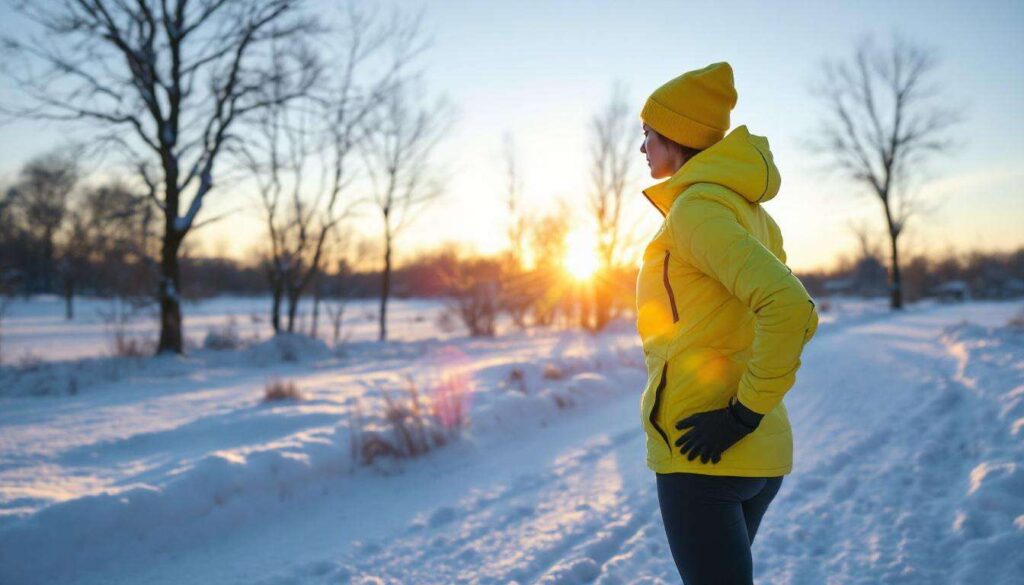
Winter outdoor exercise offers invigorating benefits, but the combination of cold temperatures, reduced daylight and unpredictable weather conditions creates unique challenges. Whether you’re a seasoned runner, cyclist or simply enjoy brisk walks in nature, understanding how to protect yourself from potential injuries becomes paramount when temperatures drop. The key lies in thorough preparation, appropriate equipment and heightened awareness of your body’s signals. By implementing strategic measures, you can maintain your fitness routine throughout the colder months whilst minimising the risk of strains, sprains and cold-related complications.
Choosing clothes suitable for the cold
The layering system for optimal temperature regulation
Selecting appropriate clothing represents the foundation of safe winter exercise. The three-layer system provides the most effective approach: a moisture-wicking base layer that draws sweat away from your skin, an insulating middle layer that retains body heat, and a weatherproof outer layer that shields against wind and precipitation. Avoid cotton materials, which absorb moisture and leave you vulnerable to hypothermia. Instead, opt for synthetic fabrics or merino wool that maintain insulating properties even when damp.
Adjusting your outfit to activity intensity
Many exercisers make the mistake of overdressing, which leads to excessive sweating and subsequent chilling. A useful guideline suggests dressing as though the temperature were 10 degrees warmer than the actual reading. You should feel slightly cool at the start of your session, knowing that your body will generate heat within the first ten minutes. Consider these factors when selecting your outfit:
- Wind chill factor, which significantly affects perceived temperature
- Exercise intensity and expected duration
- Personal tolerance to cold conditions
- Precipitation likelihood and type
Understanding these clothing principles naturally leads to another crucial preparatory step that many overlook in their eagerness to begin exercising.
Warming up before starting
Why cold muscles require extended preparation
Cold weather causes muscles, tendons and ligaments to become less pliable, increasing injury susceptibility. A comprehensive warm-up becomes even more critical during winter months than in warmer seasons. Your warm-up should last at least 10 to 15 minutes, gradually elevating your heart rate and core temperature whilst preparing your musculoskeletal system for more demanding activity.
Effective indoor and outdoor warm-up strategies
Consider beginning your warm-up indoors where possible, performing dynamic stretches and light movements in a heated environment. This approach allows your muscles to reach optimal temperature before exposure to harsh conditions. Effective warm-up exercises include:
- Leg swings and hip circles to mobilise major joints
- Arm rotations and torso twists for upper body preparation
- Light jogging on the spot or gentle skipping
- Dynamic lunges and controlled squats
| Temperature range | Recommended warm-up duration | Additional considerations |
|---|---|---|
| 5°C to 10°C | 10-12 minutes | Standard dynamic stretching sufficient |
| 0°C to 5°C | 12-15 minutes | Include indoor warm-up component |
| Below 0°C | 15-20 minutes | Majority of warm-up performed indoors |
Once your body is properly prepared, the environment itself demands careful consideration.
Knowing your route well
Reconnaissance and planning for winter conditions
Familiar routes can transform dramatically during winter months. Surfaces that provided secure footing in summer may become hazardous ice patches or hidden obstacles beneath snow cover. Before embarking on your exercise session, research current conditions and consider alternative routes if necessary. Daylight hours diminish significantly, making visibility a primary concern for both your safety and that of others.
Essential route considerations
Select paths that receive adequate lighting and regular maintenance during winter. Populated areas generally offer better surface treatment and immediate assistance should problems arise. Factor these elements into your route planning:
- Street lighting availability and quality
- Proximity to shelter in case of sudden weather deterioration
- Mobile phone signal coverage for emergency situations
- Traffic patterns and pedestrian infrastructure
- Surface type and typical maintenance standards
Whilst route planning addresses environmental factors, your body’s vulnerable points require specific attention.
Protecting your extremities
Understanding heat loss patterns
Your body prioritises maintaining core temperature, which means extremities suffer disproportionate heat loss during cold exposure. Fingers, toes, ears and nose face the highest risk of frostbite and cold-related injuries. Blood vessels in these areas constrict to preserve warmth for vital organs, reducing circulation and increasing vulnerability.
Comprehensive extremity protection strategies
Quality gloves or mittens prove essential, with mittens generally providing superior warmth by allowing fingers to share heat. Consider layering thin liner gloves beneath heavier outer gloves for adjustable warmth. A thermal hat that covers your ears prevents significant heat escape through your head. For particularly cold conditions, a neck warmer or balaclava offers additional facial protection without restricting breathing.
Footwear deserves special attention. Thermal socks made from moisture-wicking materials keep feet dry and warm, whilst shoes with adequate insulation and grip prevent both cold injury and slips. Replace worn trainers that lack sufficient tread depth.
Protected extremities allow you to focus on another winter-specific challenge.
Being cautious on slippery surfaces
Identifying and navigating hazardous conditions
Ice and compacted snow create unpredictable traction conditions that can lead to falls, sprains and fractures. Black ice, virtually invisible on pavement, poses particular danger during early morning and evening hours. Shaded areas retain ice longer than sun-exposed sections, requiring constant vigilance throughout your route.
Technique modifications for winter surfaces
Adapt your movement patterns to accommodate reduced grip. Shorten your stride length and increase cadence rather than extending your normal gait. Keep your centre of gravity over your feet and avoid sudden directional changes. Reduce your typical pace by 20 to 30 percent on questionable surfaces. Consider these additional safety measures:
- Footwear with aggressive tread patterns or removable traction devices
- Walking across patches of obvious ice rather than attempting to run
- Using handrails where available
- Avoiding grassy areas that may conceal uneven ground
Even with optimal preparation and caution, your body’s internal feedback system provides the ultimate guidance.
Listening to your body and adapting the effort
Recognising warning signs
Cold conditions mask normal exertion signals, making it easier to push beyond safe limits. Numbness, unusual pain or excessive fatigue demand immediate attention. Chest discomfort, breathing difficulties or dizziness indicate potentially serious complications requiring you to stop exercising and seek warmth immediately.
Adjusting intensity and duration
Winter exercise naturally requires modified expectations compared to warmer months. Accept that maintaining summer performance levels may prove unrealistic and potentially dangerous. Reduce session duration during extreme cold and consider interval training that allows periodic recovery. Stay hydrated despite reduced thirst sensation, as cold air increases fluid loss through respiration.
Maintaining your outdoor exercise routine throughout winter demands respect for both environmental conditions and physiological limitations. Appropriate clothing, thorough warm-ups, route familiarity, extremity protection and surface awareness create a comprehensive injury prevention framework. Most importantly, attentive body monitoring ensures you recognise when conditions exceed safe parameters. These strategies enable you to enjoy the unique rewards of winter outdoor activity whilst safeguarding your health and fitness progress for the seasons ahead.