
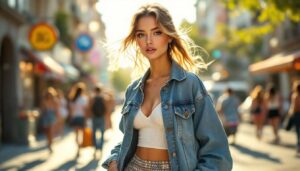

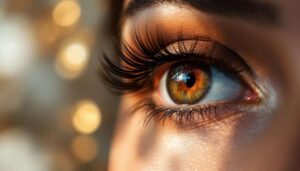
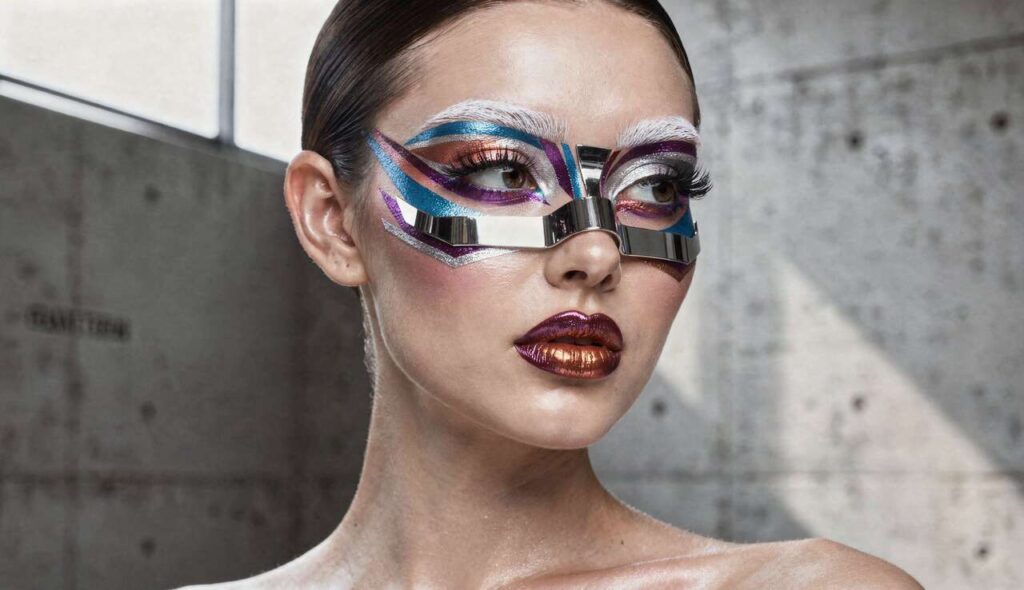
The beauty industry stands at a pivotal moment as the minimalist aesthetic that dominated social media feeds begins to fade. For years, the “clean girl” look—characterised by dewy skin, subtle contours, and barely-there make-up—has reigned supreme across platforms and beauty counters alike. Yet as we move deeper into 2026, a dramatic shift is underway. Consumers are embracing bolder expressions of creativity, rejecting the notion that natural equals better. This transformation reflects broader cultural movements towards individuality and self-expression, signalling that the era of understated beauty has reached its conclusion.
Evolution of make-up trends in 2026
The cyclical nature of beauty standards
Make-up trends have always operated in cycles, with each generation rebelling against the aesthetic norms of its predecessor. The current shift away from minimalism follows a predictable pattern observed throughout fashion history. Bold, expressive looks are reclaiming their position as consumers seek to differentiate themselves in an increasingly homogenised digital landscape. This evolution reflects a deeper desire for authenticity that paradoxically embraces artifice.
Key drivers behind the 2026 transformation
Several factors have converged to accelerate this change in beauty preferences:
- Growing fatigue with algorithm-driven aesthetics that promote sameness
- Economic shifts encouraging investment in statement products rather than multiple subtle shades
- Cultural movements celebrating diversity and rejecting Eurocentric beauty standards
- Post-pandemic desire for joy and visual impact in personal presentation
- Increased awareness of how digital filters distort perceptions of “natural” beauty
Market research indicates that sales of vibrant eyeshadow palettes have increased by 43% compared to the previous year, whilst demand for “no-make-up make-up” products has plateaued. This data confirms what industry insiders have observed: consumers are ready for change.
Regional variations in trend adoption
| Region | Adoption rate | Preferred elements |
|---|---|---|
| North America | 68% | Graphic eyeliner, bold lips |
| Europe | 71% | Colour blocking, editorial eyes |
| Asia-Pacific | 79% | Artistic blush placement, experimental textures |
| Latin America | 74% | Metallic finishes, dramatic lashes |
These geographical differences highlight how cultural contexts shape beauty preferences, yet the overarching movement towards maximalism remains consistent globally. Understanding these regional nuances helps explain why certain brands have succeeded in different markets whilst others struggle to gain traction.
The end of the “clean girl” era
Why the minimalist aesthetic lost its appeal
The “clean girl” look became a victim of its own success. What began as a refreshing alternative to heavily contoured Instagram make-up evolved into a rigid formula that felt as prescriptive as the trends it replaced. The aesthetic’s emphasis on “effortless” beauty required significant time, money, and specific facial features to achieve convincingly. Critics argued that it perpetuated narrow beauty standards whilst masquerading as inclusive and accessible.
Social media saturation and aesthetic fatigue
The ubiquity of the “clean girl” aesthetic across platforms created a visual monotony that ultimately hastened its decline. When every influencer, celebrity, and brand ambassador adopted identical looks, the style lost its ability to feel fresh or aspirational. Users began craving visual diversity and personal expression rather than conformity to a single aesthetic template.
The problematic aspects of “clean” beauty messaging
Beyond aesthetic considerations, the terminology itself faced increasing scrutiny. The implication that certain looks are “clean” suggests others are inherently dirty or improper—a value judgement that many found troubling. This linguistic analysis contributed to broader conversations about how beauty standards are framed and who benefits from such framing. The movement away from this aesthetic represents not just a stylistic shift but a rejection of the values it implicitly promoted.
As consumers recognise these limitations, they’re actively seeking alternatives that offer greater creative freedom and celebrate rather than conceal individuality.
What is replacing the “clean girl” ?
The rise of “dopamine beauty”
The trend replacing minimalism has been dubbed “dopamine beauty”—an approach that prioritises joy, experimentation, and visual impact. Unlike its predecessor, this aesthetic actively encourages breaking rules and mixing unexpected elements. Bright colours, unconventional placements, and playful textures define this movement, which treats the face as a canvas for artistic expression rather than a surface requiring perfection.
Core principles of the new aesthetic
- Celebration of colour as a mood-enhancing tool
- Rejection of “flattering” as the primary criterion for make-up choices
- Emphasis on personal enjoyment over external validation
- Integration of artistic techniques previously reserved for editorial contexts
- Normalisation of visible, unapologetic make-up application
How this trend differs from previous maximalist movements
Unlike the heavily contoured looks of the mid-2010s, dopamine beauty doesn’t adhere to strict application rules or aim for specific facial proportions. It’s fundamentally more democratic and adaptable, allowing individuals to interpret the trend according to their preferences and comfort levels. This flexibility has contributed to its rapid adoption across diverse demographics and style preferences.
The emphasis on personal expression naturally leads to questions about which specific products and techniques best embody this new direction.
The new colours and textures to adopt
Trending colour palettes
Vibrant, saturated hues dominate the current landscape. Electric blues, vivid oranges, and unexpected greens have moved from runway exclusives to everyday wear. Brands report that their most successful launches feature bold pigments that previous market research suggested were “too intense” for mainstream consumers. This miscalculation reveals how quickly preferences can shift when cultural conditions align.
| Colour family | Popular shades | Typical application |
|---|---|---|
| Blues | Cobalt, azure, periwinkle | Eyeliner, inner corner highlight |
| Pinks | Fuchsia, hot pink, magenta | Blush, lips, monochromatic looks |
| Greens | Emerald, lime, mint | Lower lash line, graphic accents |
| Oranges | Tangerine, coral, rust | Eyeshadow, contour alternative |
Texture innovations capturing attention
Beyond colour, texture plays a crucial role in this aesthetic shift. Glossy finishes have replaced matte formulations across product categories, from eyeshadows to lip products. Reflective particles, metallic sheens, and dimensional pearls add visual interest that photographs well in various lighting conditions. These textural elements contribute to the playful, joyful quality that defines dopamine beauty.
Application techniques for maximum impact
- Colour blocking: applying distinct shades in geometric sections
- Draping: strategic blush placement that extends beyond traditional cheek areas
- Graphic liner: bold shapes that extend beyond conventional wing placements
- Monochromatic looks: using a single colour family across eyes, cheeks, and lips
- Layering: combining multiple textures for dimensional effects
These techniques require confidence and experimentation, qualities that influencers have helped normalise through their content strategies.
The role of influencers in this transition
Key personalities driving the change
Make-up artists and content creators have served as crucial catalysts in legitimising bold beauty choices. Figures who previously focused on natural looks have pivoted towards more adventurous content, signalling to their audiences that experimentation is not only acceptable but desirable. This endorsement from trusted sources accelerated adoption beyond early adopters to mainstream consumers.
How social platforms shape beauty movements
Different platforms favour distinct content styles, influencing how trends spread and evolve. Short-form video platforms reward dramatic transformations and eye-catching results, naturally favouring bold make-up over subtle application. Algorithm preferences for high-engagement content have inadvertently promoted maximalist aesthetics, as vibrant looks generate more comments and shares than minimalist alternatives.
The democratisation of editorial techniques
Influencers have made previously intimidating techniques accessible by breaking them into manageable steps and demonstrating their application on diverse face shapes and skin tones. This educational approach has removed barriers that once separated “editorial” make-up from everyday wear, empowering consumers to experiment with confidence. The result is a more informed, adventurous consumer base willing to invest in products that previous generations might have considered impractical.
Technology has further accelerated this shift by providing tools that reduce the risk associated with experimentation.
The impact of new technologies on make-up
Virtual try-on tools reducing purchase hesitation
Augmented reality applications have transformed how consumers discover and purchase make-up. Virtual try-on features allow users to preview bold colours on their own faces before committing to a purchase, significantly reducing the financial risk of experimentation. This technology has proven particularly influential in encouraging consumers to explore shades outside their usual preferences.
AI-powered personalisation and trend forecasting
Artificial intelligence analyses vast datasets to identify emerging preferences before they reach mainstream awareness. Brands utilising these tools have gained competitive advantages by developing products aligned with nascent trends. Consumers benefit from more relevant product offerings that reflect their evolving preferences rather than outdated assumptions about beauty preferences.
Sustainable formulation advances
- Water-based pigments offering intense colour without heavy chemical loads
- Biodegradable glitter alternatives satisfying demand for sparkle without environmental harm
- Refillable packaging systems reducing waste whilst maintaining product integrity
- Clean ingredient formulations that don’t compromise on performance or pigmentation
These technological advances address previous objections to bold make-up, making it easier for ethically-minded consumers to embrace the dopamine beauty movement without compromising their values.
The beauty landscape has undergone a remarkable transformation as consumers reject minimalism in favour of expressive, joyful aesthetics. The “clean girl” era’s limitations became increasingly apparent, prompting a shift towards dopamine beauty that prioritises personal enjoyment over conformity. Bold colours, innovative textures, and creative application techniques now dominate, supported by influencers who have normalised experimentation and technologies that reduce associated risks. This movement represents more than a superficial trend—it reflects deeper cultural shifts towards individuality, authenticity, and the recognition that beauty should enhance rather than constrain self-expression. As brands and consumers alike embrace this new direction, the industry enters an exciting period characterised by diversity, creativity, and genuine personal choice.