


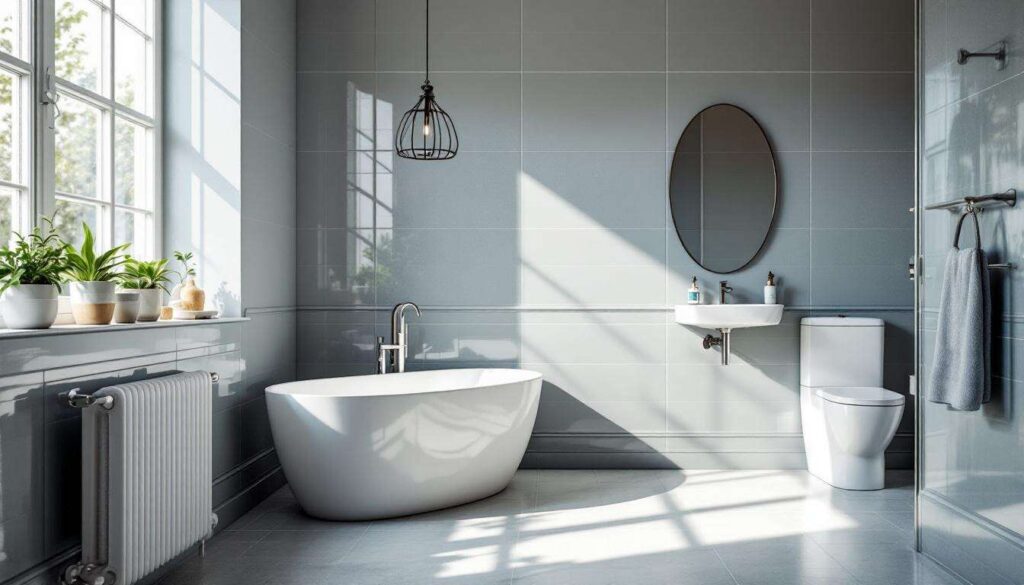
Bathroom tiles can lose their appeal over time, becoming dated or simply no longer matching your aesthetic preferences. Rather than embarking on a costly and disruptive retiling project, painting existing tiles offers a practical and budget-friendly alternative that can completely transform the space. This approach requires careful preparation and the right materials, but when executed properly, it delivers a durable finish that withstands the humid environment of a bathroom. Understanding the process from surface preparation through to final protection ensures your tile makeover remains attractive and functional for years to come.
Choosing the right materials to paint your bathroom tiles
Selecting appropriate paint types for bathroom conditions
The success of any tile painting project hinges on choosing products specifically formulated for high-moisture environments. Standard wall paints simply cannot withstand the constant humidity and temperature fluctuations typical of bathrooms. Specialist tile paints contain resins and additives that create a waterproof, flexible coating capable of adhering to glazed ceramic surfaces. Epoxy-based paints offer exceptional durability and chemical resistance, making them ideal for shower enclosures and areas around baths. Acrylic tile paints provide a more user-friendly option with easier application and cleanup whilst still delivering satisfactory longevity in less demanding areas.
Essential tools and equipment for the job
Gathering the proper tools before starting ensures a smoother workflow and professional-looking results. Your toolkit should include:
- High-quality synthetic brushes for cutting in around edges and fixtures
- Small foam rollers designed for smooth surfaces, typically 10cm wide
- Fine-grit sandpaper or sanding blocks (220-grit works well)
- Degreasing cleaner formulated for bathroom surfaces
- Painter’s tape for protecting fixtures and creating clean lines
- Paint trays and liners for convenient application
- Protective gloves and adequate ventilation equipment
Understanding primer requirements
Not all tile painting projects require the same primer approach. Tile-specific primers create a bonding layer between the non-porous glazed surface and your topcoat paint. These primers contain adhesion promoters that grip smooth surfaces far more effectively than standard primers. Some modern tile paints incorporate primer properties directly into their formulation, eliminating a separate priming step, though dedicated primers generally provide superior adhesion for long-term durability. Always verify compatibility between your chosen primer and topcoat to avoid adhesion failures or chemical reactions.
With materials selected and ready, attention turns to the crucial groundwork that determines whether your painted tiles will last months or years.
Preparing the surface: essential steps before painting
Thorough cleaning to remove contaminants
Bathroom tiles accumulate layers of soap residue, body oils, limescale, and mildew that actively prevent paint adhesion. Begin with a powerful degreasing cleaner applied generously across all tile surfaces, paying particular attention to grouted areas where buildup concentrates. Scrub vigorously with a stiff brush, then rinse thoroughly with clean water. For stubborn limescale deposits, a diluted acidic cleaner removes mineral buildup effectively. Allow surfaces to dry completely, which may take 24 hours in poorly ventilated bathrooms. Any moisture trapped beneath paint will cause blistering and premature failure.
Addressing existing damage and imperfections
Inspect tiles carefully for cracks, chips, or loose sections that require attention before painting. Damaged tiles compromise the entire painted surface and should be repaired or replaced when possible. Fill small chips with epoxy filler, smoothing carefully to match the surrounding surface level. Loose tiles must be re-adhered with appropriate adhesive and allowed to cure fully. Cracked grout should be raked out and replaced, as movement in deteriorated grout lines will crack any paint film applied over them.
Sanding for improved adhesion
Creating microscopic texture on glossy tile surfaces dramatically improves paint adhesion. Using 220-grit sandpaper, lightly abrade the entire tile surface with consistent circular motions. The goal is not to remove the glaze entirely but to dull the shine and create mechanical grip for subsequent coatings. This process generates considerable dust, so wear appropriate respiratory protection and ensure adequate ventilation. After sanding, vacuum all surfaces thoroughly, then wipe down with a damp cloth to remove every trace of dust particles that would mar the final finish.
| Preparation step | Time required | Critical importance |
|---|---|---|
| Deep cleaning | 2-3 hours | Prevents adhesion failure |
| Drying period | 24 hours | Eliminates moisture issues |
| Sanding | 1-2 hours | Creates mechanical bond |
| Final cleaning | 30 minutes | Removes contaminants |
Once surfaces are impeccably clean, dry, and properly textured, the foundation exists for the primer coat that bonds everything together.
Applying the primer for perfect adhesion
Protecting fixtures and creating clean edges
Before opening any paint containers, invest time in comprehensive masking. Apply high-quality painter’s tape along edges where tiles meet baths, sinks, toilets, and other fixtures. Press tape edges firmly to prevent paint seepage underneath. Cover taps, shower heads, and other hardware with plastic bags secured with tape. Protect flooring with dust sheets, as primer and paint drips are difficult to remove once dried. This preparation phase prevents hours of frustrating cleanup and ensures professional-looking results with crisp, clean lines.
Primer application techniques
Stir primer thoroughly but avoid creating bubbles through vigorous shaking. Pour a manageable quantity into your paint tray. Begin with a brush to cut in around all edges, corners, and fixtures, creating a 5cm border that the roller cannot reach. Work methodically across the surface with your foam roller, applying thin, even coats rather than attempting full coverage in one pass. Thick primer applications take longer to dry, are more prone to runs, and may not cure properly in humid environments.
Drying times and second coats
Primer drying times vary considerably based on product formulation, application thickness, temperature, and humidity levels. Most tile primers require 4-6 hours between coats, though some fast-drying formulations may be ready sooner. Never rush this stage, as applying topcoat over insufficiently cured primer causes adhesion problems and finish defects. Many primers appear dry to the touch well before they have cured enough to accept topcoat. Consult manufacturer specifications carefully and err on the side of longer drying times in cool or humid conditions.
With primer fully cured and providing a receptive base, the transformation truly begins with the application of your chosen tile paint.
Painting the tiles: techniques for a lasting result
First coat application strategy
Approach the first topcoat with the same methodical technique used for priming. Maintain consistent roller pressure and work in small sections to keep a wet edge, preventing visible lap marks where dried and wet paint meet. Apply paint in thin, even layers, resisting the temptation to achieve full coverage immediately. Multiple thin coats invariably outperform single thick applications in terms of durability, appearance, and drying characteristics. Pay special attention to grout lines, ensuring paint covers these recessed areas without excessive buildup that creates texture differences.
Achieving even coverage and colour consistency
Most tile painting projects require two to three topcoats for optimal coverage and colour depth. Allow each coat to dry fully according to manufacturer recommendations before applying the next. Inspect your work under good lighting between coats, identifying any thin areas, missed spots, or application defects that need attention. Light colours over dark tiles may require additional coats compared to darker shades. Maintain consistent environmental conditions throughout the painting process, as temperature and humidity fluctuations affect drying times and finish quality.
Managing grout lines effectively
Grout presents unique challenges in tile painting projects. Some homeowners prefer painting over grout for a seamless, modern appearance, whilst others mask grout lines to maintain traditional tile definition. If painting grout, use a small brush to work paint into these recessed areas, smoothing carefully to avoid ridges. For masked grout, remove tape whilst the final coat remains slightly tacky to prevent paint film tearing. Grout-specific paints exist for those wanting coloured grout lines without painting tiles, offering another design option worth considering.
| Coat number | Purpose | Drying time |
|---|---|---|
| First topcoat | Initial coverage | 4-6 hours |
| Second topcoat | Colour development | 4-6 hours |
| Third topcoat | Full opacity (if needed) | 24 hours minimum |
Once your final coat achieves the desired coverage and appearance, focus shifts to protecting this fresh finish and ensuring its longevity.
Drying and protection: ensuring the longevity of your paint
Proper curing time before bathroom use
Understanding the difference between drying and curing proves crucial for painted tile longevity. Paint may feel dry to the touch within hours, but full curing requires significantly longer, typically 7-14 days depending on product formulation and environmental conditions. During this period, the paint film continues hardening and developing its final properties of water resistance and durability. Premature exposure to moisture, cleaning products, or physical contact can damage the finish irreversibly. Plan your project timeline to allow the bathroom to remain unused or minimally used during this critical curing phase.
Applying protective sealant coats
Whilst many modern tile paints incorporate protective properties, applying a dedicated waterproof sealant provides additional insurance against moisture penetration and wear. Clear polyurethane or epoxy sealants designed for bathroom use create a hard, protective barrier over painted tiles. Apply these products only after topcoat paint has cured completely, following the same thin-coat methodology used throughout the project. Two coats of sealant typically suffice, with adequate drying time between applications. This extra step particularly benefits high-traffic areas and surfaces directly exposed to water spray.
Maintenance practices for lasting results
Even properly painted and sealed tiles require appropriate care to maximise their lifespan. Avoid abrasive cleaners and scrubbing pads that can scratch or dull the painted surface. Instead, use pH-neutral bathroom cleaners applied with soft cloths or sponges. Address any chips or damage promptly with touch-up paint to prevent moisture infiltration beneath the paint film. Ensure adequate ventilation during and after bathing to minimise condensation exposure. With proper maintenance, painted bathroom tiles can remain attractive and functional for five years or more before requiring refreshing.
Transforming tired bathroom tiles through painting delivers impressive results when approached with proper materials, thorough preparation, and patience throughout the application and curing process. This cost-effective makeover option requires investment of time and attention to detail, but rewards you with a refreshed space that reflects your personal style. The techniques outlined here, from initial surface preparation through final protective coatings, provide the foundation for a durable finish that withstands the demanding bathroom environment. By following these steps carefully and allowing adequate time for each phase, your painted tiles will maintain their appearance and functionality, proving that a successful bathroom transformation need not involve extensive renovation work.