



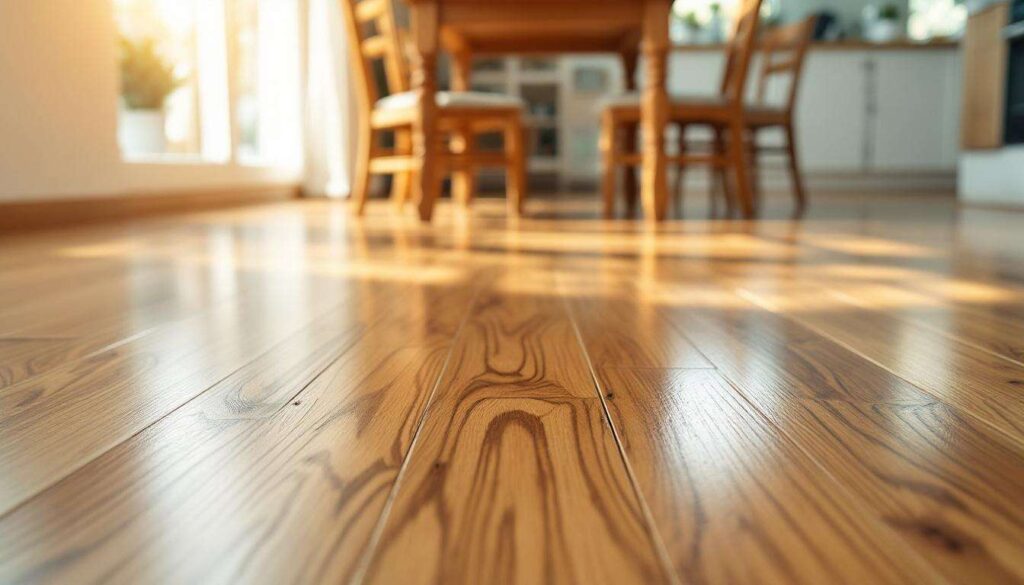
Wooden furniture and floors bring warmth and elegance to any home, yet they remain vulnerable to unsightly scratches that can diminish their beauty. Whether caused by everyday activities, pet claws, or moving furniture, these marks are frustrating for homeowners who take pride in their interiors. Fortunately, addressing scratches on wood surfaces doesn’t always require expensive professional intervention or specialised products. With the right knowledge and techniques, most minor to moderate damage can be repaired effectively using simple household items and natural remedies. This guide explores practical methods to restore your wooden surfaces to their former glory whilst providing essential advice on prevention and knowing when expert help becomes necessary.
Understanding the causes of scratches on wood
Common culprits in daily life
Scratches on wooden surfaces rarely appear without reason. Furniture movement represents one of the most frequent causes, particularly when chairs are dragged across floors or items are pushed along tables without protective padding. Pet activity also contributes significantly, as dogs and cats with untrimmed claws can leave marks simply by walking across floors or jumping onto furniture.
Other everyday sources include:
- Keys, mobile phones, and sharp objects placed carelessly on surfaces
- Children’s toys, particularly those with hard edges or wheels
- Grit and dirt particles trapped beneath objects that create abrasive contact
- Cleaning equipment such as vacuum attachments or broom handles
- Decorative items without felt pads underneath
Environmental and structural factors
Temperature fluctuations and humidity changes can make wood more susceptible to damage by causing expansion and contraction. This natural movement weakens the surface finish over time, making it easier for scratches to penetrate deeper layers. Additionally, older finishes that have deteriorated through age become less protective, allowing even minor contact to leave visible marks.
Understanding these causes helps homeowners take preventative measures whilst also explaining why certain areas experience more damage than others. This knowledge proves invaluable when selecting appropriate repair methods.
Evaluating the depth of scratches
Surface-level versus deep damage
Accurate assessment determines which repair technique will prove most effective. Surface scratches affect only the finish layer without penetrating the wood itself. These appear as light marks that don’t feel particularly deep when you run your fingernail across them. Moderate scratches penetrate the finish and reach the wood stain or upper wood fibres, appearing darker and more noticeable.
Deep scratches cut into the wood structure itself, creating grooves that are easily felt and often expose lighter-coloured wood beneath stain layers. These require more intensive treatment and potentially professional attention.
The fingernail test
A simple yet effective method involves gently running your fingernail perpendicular to the scratch. If your nail glides smoothly without catching, the damage is likely superficial. When your nail catches slightly, the scratch has penetrated the finish. Significant resistance or a pronounced groove indicates deep damage requiring more comprehensive repair.
| Scratch Type | Characteristics | Repair Difficulty |
|---|---|---|
| Surface | Barely visible, smooth to touch | Easy |
| Moderate | Visible line, slight catch | Moderate |
| Deep | Pronounced groove, colour change | Challenging |
This evaluation stage shouldn’t be rushed, as applying inappropriate techniques to deep scratches may worsen the appearance or damage surrounding areas. Once you’ve properly assessed the damage, you can confidently select the most suitable repair approach.
Household products: an effective home solution
The walnut technique
One remarkably simple method involves using a walnut kernel to address light to moderate scratches. The natural oils within the nut fill minor imperfections whilst the rubbing action helps blend the repair with surrounding wood. Simply rub the shelled walnut directly along the scratch in the direction of the wood grain, applying gentle pressure. The oils gradually darken and fill the mark, making it significantly less noticeable.
Vinegar and olive oil mixture
This classic combination works particularly well on finished wood surfaces. Mix three parts olive oil with one part white vinegar in a small container. Apply the mixture using a soft cloth, rubbing gently along the scratch. The vinegar cleans whilst the olive oil conditions and helps disguise the mark. Buff the area afterwards with a clean, dry cloth for best results.
Petroleum jelly for quick fixes
Petroleum jelly provides a temporary yet effective solution for surface scratches. Apply a small amount directly to the scratch, leave for 24 hours, then buff away excess. This method works by filling the scratch and creating a protective barrier, though it may require reapplication over time.
These accessible household solutions offer immediate results without requiring trips to specialist shops. For those seeking even more natural approaches, alternative techniques provide equally impressive outcomes.
Natural techniques to erase scratches
The coffee grounds method
For darker wood finishes, instant coffee creates an effective natural stain. Mix a small amount of instant coffee with just enough water to form a thick paste. Apply this carefully to the scratch using a cotton bud, allowing it to sit for several minutes before wiping away excess. The coffee darkens the exposed wood, making scratches blend seamlessly with surrounding areas.
Black tea application
Similar to coffee, black tea contains tannins that naturally darken wood. Steep a strong cup of black tea, allow it to cool, then apply using a soft cloth or cotton wool. This method works particularly well on medium-toned woods and can be repeated for deeper colour penetration.
Coconut oil treatment
Coconut oil serves dual purposes: it conditions the wood whilst helping to disguise minor scratches. Warm a small amount between your fingers and massage it into the affected area following the grain direction. Leave for several hours or overnight, then buff with a clean cloth. This technique also helps prevent future damage by maintaining wood moisture levels.
- Always test natural remedies on inconspicuous areas first
- Apply products sparingly to avoid oversaturation
- Work with the grain direction, never against it
- Allow adequate drying time between applications
- Buff thoroughly to achieve professional-looking results
These natural solutions prove particularly appealing to environmentally conscious homeowners seeking chemical-free alternatives. However, successful repair represents only half the battle; prevention strategies ensure long-term protection.
Preserving your furniture: tips to avoid marks
Protective measures for daily use
Prevention remains far easier than cure when it comes to wooden surfaces. Felt pads attached to furniture legs and the base of decorative items create a protective barrier that prevents scratches during movement. These inexpensive additions should be replaced regularly as they compress and lose effectiveness over time.
Tablecloths, placemats, and coasters protect dining surfaces from scratches caused by plates, cutlery, and glassware. For frequently used areas, consider using decorative runners that add aesthetic appeal whilst providing practical protection.
Maintenance routines that matter
Regular dusting prevents grit accumulation that causes abrasive damage. Use microfibre cloths rather than feather dusters, as they capture particles rather than redistributing them. Weekly cleaning with appropriate wood-specific products maintains the protective finish layer, making surfaces more resistant to scratching.
Additional preventative strategies include:
- Trimming pet claws regularly to minimise sharp contact
- Lifting rather than dragging furniture during rearrangement
- Using rugs in high-traffic floor areas
- Maintaining consistent indoor humidity levels between 40-60%
- Avoiding direct sunlight exposure that degrades protective finishes
- Immediately cleaning spills that can soften and weaken wood surfaces
Strategic furniture placement
Thoughtful arrangement reduces scratch risk considerably. Position frequently moved chairs on rugs rather than bare wood floors. Keep decorative items with rough bases away from valuable antique surfaces. Create designated zones for activities likely to cause damage, protecting these areas with appropriate coverings.
Whilst these preventative measures significantly reduce scratch occurrence, some damage inevitably exceeds the scope of home remedies, necessitating expert intervention.
When to call in a professional
Recognising limitations of DIY repairs
Deep gouges that penetrate multiple wood layers typically require professional refinishing. When scratches expose raw wood across large areas or when multiple deep scratches cluster together, amateur repairs often prove inadequate. Antique or valuable furniture particularly warrants professional attention, as improper treatment can diminish both aesthetic and monetary value.
Situations requiring expert assessment
Certain scenarios demand professional expertise regardless of scratch depth. When the existing finish has degraded extensively, spot repairs may create uneven appearance, necessitating complete refinishing. Structural damage accompanying scratches, such as splits or loose joints, requires specialist carpentry skills beyond cosmetic repair.
Professional intervention becomes essential when:
- Home remedies have failed or worsened the appearance
- The furniture holds significant sentimental or financial value
- Scratches cover extensive areas requiring complete surface treatment
- The wood type or finish remains unidentified
- Insurance claims require documented professional repair
Selecting qualified restoration specialists
Choose professionals with demonstrable experience in furniture restoration rather than general handymen. Request before-and-after photographs of previous work and seek recommendations from antique dealers or interior designers. Reputable specialists provide detailed quotations explaining proposed techniques and expected outcomes, allowing informed decision-making.
Cost considerations vary significantly based on damage extent, furniture value, and required techniques. Simple refinishing of small areas may cost modestly, whilst comprehensive restoration of antique pieces represents substantial investment. However, professional work typically includes guarantees and ensures preservation of item value.
Wooden furniture and floors needn’t remain permanently marred by scratches. The methods outlined here provide practical solutions for most common damage, from simple household remedies to natural treatments that respect both wood and environment. Understanding scratch causes and depths enables appropriate technique selection, whilst preventative measures reduce future damage occurrence. Though many repairs succeed through DIY approaches, recognising situations requiring professional expertise protects valuable pieces and ensures optimal results. By combining immediate repair knowledge with long-term preservation strategies, homeowners can maintain the timeless beauty of wooden surfaces for years to come.