



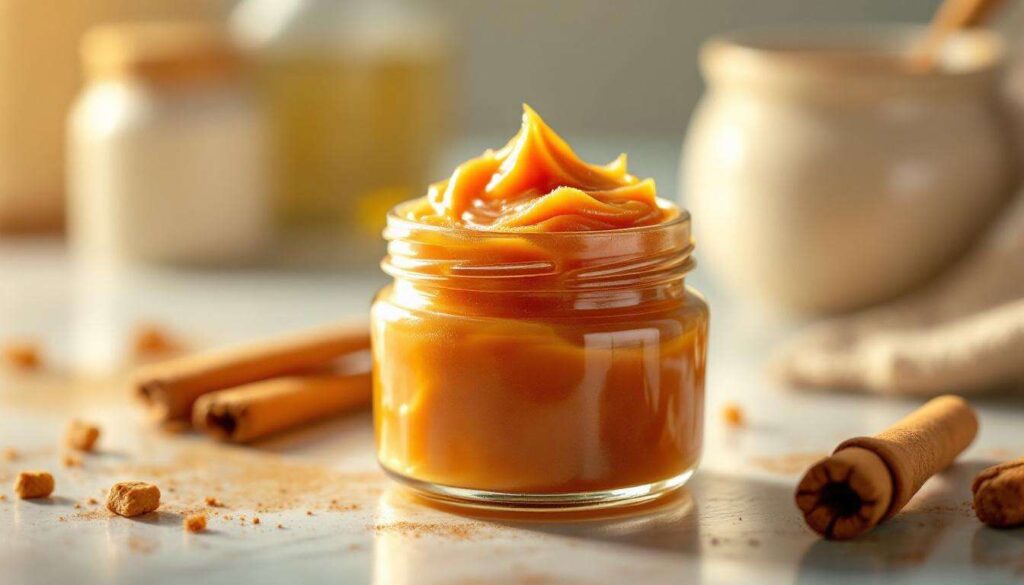
The quest for natural beauty solutions has led many to explore traditional remedies passed down through generations. Among these, a simple paste combining cinnamon and honey has gained attention for its purported ability to lighten unwanted facial hair, particularly on the upper lip. This combination is believed to work through a gentle bleaching process that occurs when these ingredients interact, creating a natural form of hydrogen peroxide. While conventional hair removal methods often involve harsh chemicals or expensive salon treatments, this home remedy offers an accessible alternative that appeals to those seeking gentler approaches to personal grooming. The method requires patience and consistent application, typically overnight, to achieve visible results over time.
Understanding the action of cinnamon and honey
The chemical reaction behind lightening
When cinnamon and honey are mixed together, they create a mild chemical reaction that produces trace amounts of hydrogen peroxide. This occurs because honey contains an enzyme called glucose oxidase, which breaks down glucose molecules and releases hydrogen peroxide as a by-product. Cinnamon acts as a catalyst in this process, accelerating the reaction and enhancing the lightening effect. The hydrogen peroxide produced is significantly weaker than commercial bleaching agents, making it a gentler option for sensitive facial skin.
Properties of each ingredient
Both ingredients bring individual benefits to the mixture:
- Honey possesses natural antibacterial properties and moisturises the skin whilst participating in the lightening process
- Cinnamon contains antioxidants and has mild exfoliating properties that help remove dead skin cells
- The combination creates a paste with a consistency suitable for targeted application
- Both ingredients are readily available and cost-effective compared to commercial products
The synergy between these two natural substances creates a treatment that addresses hair pigmentation whilst nourishing the delicate skin of the upper lip area. This dual action makes the remedy particularly appealing to those concerned about skin health alongside cosmetic results.
The benefits of cinnamon and honey paste on hair
Gradual lightening without damage
Unlike chemical bleaches that can cause immediate but harsh effects, the cinnamon and honey paste works progressively. This gradual approach reduces the risk of skin irritation and allows users to monitor their results carefully. The paste doesn’t strip hair of its structure but rather oxidises the melanin pigments responsible for dark colouration, resulting in a lighter appearance over several applications.
Additional skin benefits
| Benefit | Source ingredient | Effect on skin |
|---|---|---|
| Moisturisation | Honey | Prevents dryness and flaking |
| Antibacterial action | Honey | Reduces risk of infection or spots |
| Improved circulation | Cinnamon | Promotes healthy skin tone |
| Gentle exfoliation | Cinnamon | Removes dead cells for smoother texture |
These complementary benefits mean that regular use of the paste may improve overall skin quality in the treated area, not merely address hair colour. Many users report softer, more supple skin as an unexpected advantage of this treatment.
How to correctly apply the mixture to the upper lip
Preparing the paste
Creating an effective mixture requires attention to proportions and quality. Combine two tablespoons of honey with one tablespoon of cinnamon powder in a clean bowl. Mix thoroughly until you achieve a smooth, spreadable consistency. The honey should be raw and unprocessed for maximum enzyme activity, whilst the cinnamon should be fresh and finely ground to ensure even distribution.
Application technique
Follow these steps for optimal results:
- Cleanse the upper lip area thoroughly and pat dry
- Apply a thin, even layer of the paste directly to the hair you wish to lighten
- Avoid spreading the mixture onto surrounding skin unnecessarily
- Leave the paste on overnight, or for a minimum of eight hours
- Secure with a small plaster or breathable tape if needed to prevent transfer to bedding
- Rinse thoroughly with lukewarm water in the morning
- Apply a gentle moisturiser to soothe the skin
Frequency and duration
For best results, repeat this application three to four times weekly. Most users notice visible lightening after two to three weeks of consistent use. The exact timeframe varies depending on the original hair colour and individual skin chemistry, with darker hair requiring longer treatment periods.
Precautions to take when using the paste
Skin sensitivity considerations
Despite being natural, cinnamon can cause irritation in some individuals. Before full application, conduct a patch test on a small area of skin, such as the inner wrist. Wait twenty-four hours to check for any adverse reactions including redness, itching, or burning sensations. Those with sensitive skin may need to reduce the cinnamon proportion or dilute the mixture further with additional honey.
Potential side effects
Be aware of these possible reactions:
- Mild tingling or warmth during application is normal
- Excessive redness indicates the mixture is too strong
- Burning sensations require immediate removal of the paste
- Temporary darkening may occur before lightening becomes visible
If you experience persistent discomfort, discontinue use and consult a dermatologist. Never apply the paste to broken or irritated skin, as this increases the risk of adverse reactions.
Other natural methods for lightening hair
Lemon juice treatments
Lemon juice contains natural citric acid that acts as a bleaching agent when exposed to sunlight. Apply fresh lemon juice to the upper lip, allow it to dry for fifteen minutes, then rinse. The photosensitive properties enhance lightening, though this method can be drying and requires careful sun exposure management.
Turmeric and milk paste
Combining turmeric powder with milk creates another traditional lightening remedy. The curcumin in turmeric has mild bleaching properties, whilst milk provides lactic acid that gently exfoliates. This mixture is particularly suitable for those who find cinnamon too irritating.
Chamomile tea rinses
Brewed chamomile tea, when applied regularly to facial hair, can gradually lighten pigmentation. This method is extremely gentle but requires considerable patience, as results develop slowly over several months of consistent use.
The importance of perseverance in natural care
Realistic expectations
Natural remedies function fundamentally differently from commercial products. Whilst chemical treatments deliver rapid results, natural alternatives require commitment and patience. The cinnamon and honey paste will not transform dark hair to blonde overnight, but rather creates subtle, progressive lightening that appears more natural and less harsh than chemical bleaching.
Consistency as the key to success
The effectiveness of this treatment depends entirely on regular application. Sporadic use will yield minimal results, whilst dedicated adherence to a routine produces noticeable changes. Tracking progress with photographs can help maintain motivation during the initial weeks when changes may be imperceptible to the naked eye.
Natural beauty treatments reward those who embrace the philosophy that genuine transformation occurs gradually. The cinnamon and honey paste exemplifies this principle, offering a gentle path to lighter upper-lip hair that respects both skin health and individual patience. Those willing to commit to the process often find the results worth the investment of time, discovering not only lighter hair but also improved skin condition in the treated area. This holistic approach to personal grooming reflects a growing appreciation for methods that work with the body’s natural processes rather than against them.