



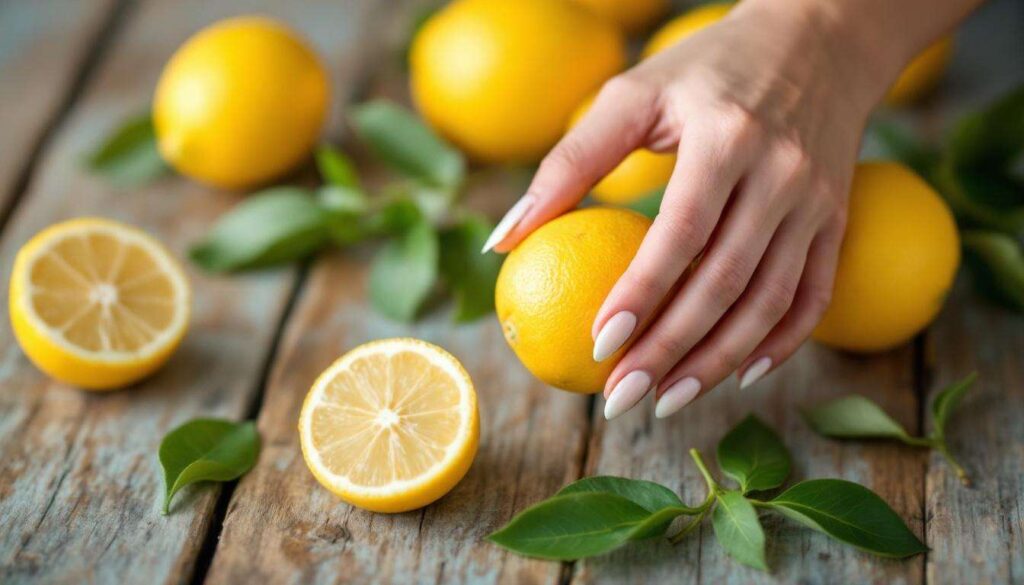
Yellow nails can be an unsightly concern for many individuals, often resulting from prolonged use of dark nail varnish, exposure to nicotine, or even certain health conditions. Whilst commercial nail whitening products are readily available, a growing number of people are turning to natural remedies found in their own kitchens. Among these, the lemon peel rub has emerged as a particularly popular solution, harnessing the natural bleaching properties of citric acid to restore nails to their former brightness. This simple yet effective treatment offers an accessible way to tackle nail discolouration without resorting to harsh chemicals or expensive salon treatments.
Understanding the action of citric acid on nails
The chemistry behind citric acid’s whitening properties
Citric acid, the primary active compound found in lemons, functions as a natural bleaching agent that works on a molecular level to break down stain particles embedded in the nail plate. This organic acid has a relatively low pH, typically ranging between 2 and 3, which allows it to penetrate the porous surface of the nail and interact with the pigmented molecules responsible for yellowing. When applied to discoloured nails, citric acid initiates an oxidation process that effectively lightens the appearance of stains by breaking down their chemical structure.
The mechanism involves the acid’s ability to dissolve mineral deposits and organic compounds that have accumulated on and within the nail surface. Unlike synthetic bleaching agents that may contain harsh peroxides or ammonia, citric acid offers a gentler approach that works gradually to restore the nail’s natural colour without causing significant damage to the keratin structure.
Why nails become discoloured in the first place
Understanding the root causes of nail yellowing helps explain why citric acid proves so effective as a treatment. Several factors contribute to this common cosmetic concern:
- Nail varnish staining: darker polish shades, particularly reds, burgundies, and blacks, contain pigments that can seep into the nail plate, especially when applied without a protective base coat
- Tobacco exposure: nicotine and tar from cigarettes create stubborn yellow-brown stains that penetrate deeply into the nail structure
- Chemical exposure: household cleaning products and certain occupational chemicals can cause gradual discolouration
- Fungal infections: onychomycosis can cause nails to develop a yellowish or brownish tint
- Age-related changes: natural ageing processes can lead to a thickening and yellowing of nails over time
The versatility of citric acid in addressing various types of staining makes it particularly valuable as a home remedy. Its ability to work on both surface-level discolouration and more deeply embedded stains sets it apart from many other natural treatments.
Lemon peel rubbing method: detailed instructions
Preparing your nails for treatment
Before applying lemon peel to discoloured nails, proper preparation ensures maximum effectiveness of the treatment. Begin by thoroughly washing your hands with soap and warm water to remove any surface dirt, oils, or residual nail varnish remover. If you currently have polish on your nails, remove it completely using an acetone-free remover to avoid additional chemical exposure. Gently push back your cuticles using a wooden orange stick, taking care not to damage the delicate skin surrounding the nail bed.
For best results, lightly buff the surface of each nail using a fine-grit nail file or buffer. This step removes the outermost layer of the nail plate, allowing the citric acid to penetrate more effectively. However, exercise caution not to over-buff, as excessive filing can weaken the nail structure and create additional problems.
The step-by-step application process
The actual application of lemon peel requires minimal materials and can be completed in just a few minutes. Follow these precise steps for optimal results:
- Select a fresh, organic lemon and cut it in half
- Squeeze out some of the juice, then use the remaining peel sections for direct application
- Take one piece of lemon peel and rub it directly onto each nail surface using circular motions
- Apply moderate pressure to ensure the citric acid makes full contact with the stained areas
- Continue rubbing each nail for approximately 30 to 60 seconds
- Allow the lemon juice to remain on your nails for an additional 5 to 10 minutes
- Rinse your hands thoroughly with lukewarm water
- Pat dry and immediately apply a nourishing hand cream or cuticle oil
For stubborn stains, this process can be repeated daily until the desired level of whitening is achieved. Most individuals notice visible improvement within three to five applications, though results vary depending on the severity of discolouration.
Alternative lemon-based application methods
Beyond the direct peel rub technique, several variations can enhance the whitening effect. Creating a paste by mixing fresh lemon juice with baking soda produces a gentle exfoliating scrub that simultaneously whitens and smooths the nail surface. Alternatively, soaking fingertips in a bowl of warm water mixed with the juice of half a lemon provides a more prolonged exposure to citric acid, beneficial for deeply embedded stains.
Having explored the practical application techniques, it becomes equally important to understand the potential risks and limitations associated with lemon-based nail treatments.
Precautions and limitations of using lemon on nails
Potential side effects and skin sensitivity
Whilst lemon juice offers numerous benefits for nail whitening, its acidic nature can cause adverse reactions in certain individuals. The low pH of citric acid may irritate sensitive skin, particularly around the cuticles and nail folds. Common side effects include redness, tingling sensations, and mild burning, especially if the skin has any existing cuts or hangnails. People with particularly sensitive skin or conditions such as eczema should exercise additional caution when using lemon-based treatments.
Prolonged or excessive exposure to citric acid can also lead to nail dehydration, making them brittle and prone to splitting. The acid strips away natural oils from both the nail plate and surrounding skin, which is why moisturising immediately after treatment is essential. Never leave lemon juice on nails for extended periods beyond the recommended timeframe, as this increases the risk of damage.
When lemon treatments are not appropriate
Certain conditions warrant avoiding lemon-based nail treatments altogether. If nail discolouration is accompanied by other symptoms such as thickening, crumbling, separation from the nail bed, or pain, these may indicate a fungal infection or other medical condition requiring professional diagnosis and treatment. Applying lemon juice to nails affected by fungal infections may provide temporary cosmetic improvement but will not address the underlying problem.
| Condition | Recommendation |
|---|---|
| Active fungal infection | Seek medical treatment before cosmetic remedies |
| Psoriasis affecting nails | Consult dermatologist; acid may worsen inflammation |
| Recent manicure with gel polish | Wait until gel is removed to avoid interference |
| Open cuts or wounds near nails | Postpone treatment until skin has healed completely |
Sun exposure considerations
A lesser-known precaution involves the photosensitising properties of citrus oils. Lemon juice contains compounds called psoralens that can increase skin sensitivity to ultraviolet radiation. Applying lemon to nails and then exposing hands to direct sunlight may result in phytophotodermatitis, a condition causing redness, blistering, and hyperpigmentation. To avoid this reaction, either perform lemon treatments in the evening or ensure hands are thoroughly washed and protected with sunscreen before sun exposure.
Understanding these limitations naturally leads to questions about how effective lemon treatments truly are compared to other whitening methods.
Benefits and efficacy of lemon juice treatment
Measurable whitening results
Clinical observations and anecdotal evidence suggest that lemon juice can produce noticeable whitening effects on stained nails, typically within one to two weeks of consistent application. The degree of improvement depends on several factors, including the type and depth of staining, the frequency of treatment, and individual nail characteristics. Surface stains from nail varnish generally respond more quickly than deeper discolouration from smoking or ageing.
Users commonly report a brightening of one to two shades after a week of daily applications. For optimal results, consistency proves more important than intensity; gentle daily treatments outperform aggressive occasional applications.
Additional health benefits beyond whitening
The advantages of lemon juice extend beyond mere cosmetic improvement. The vitamin C content in lemons supports collagen production, which strengthens the nail structure and promotes healthier growth. The natural antibacterial and antifungal properties of citric acid help create an inhospitable environment for microorganisms that might otherwise colonise the nail surface.
Regular lemon treatments can also improve overall nail texture, reducing ridges and creating a smoother surface that better reflects light, contributing to a more polished appearance even without varnish.
Cost-effectiveness and accessibility
Compared to commercial nail whitening products or professional treatments, lemon juice represents an exceptionally economical solution. A single lemon, costing less than a pound, provides enough juice and peel for multiple treatments. This affordability makes it accessible to virtually anyone seeking to improve their nail appearance without significant financial investment.
The simplicity of the treatment also means no special equipment or expertise is required, allowing individuals to perform the procedure in the comfort of their own homes at their convenience.
For those seeking variety or enhanced results, exploring complementary natural remedies can provide additional options for nail care.
Natural and safe alternatives for whitening nails
Baking soda-based treatments
Sodium bicarbonate, commonly known as baking soda, offers gentle abrasive properties that physically remove surface stains whilst also providing mild bleaching action. Creating a paste with baking soda and water, then gently scrubbing nails with a soft toothbrush, can effectively lift discolouration. For enhanced results, combining baking soda with hydrogen peroxide creates a more potent whitening mixture, though this should be used sparingly to avoid excessive drying.
Hydrogen peroxide soaks
Diluted hydrogen peroxide serves as another effective natural whitening agent. Mixing one part 3% hydrogen peroxide with two parts warm water creates a safe soaking solution. Immersing nails for two to three minutes, followed by thorough rinsing and moisturising, can gradually reduce yellowing. This method works particularly well for tobacco-related staining that proves resistant to other treatments.
Apple cider vinegar applications
Apple cider vinegar contains acetic acid, which, whilst less potent than citric acid, still offers whitening benefits alongside antifungal properties. Diluting apple cider vinegar with equal parts water and soaking nails for 10 to 15 minutes provides a gentler alternative for those with sensitive skin who cannot tolerate lemon juice.
- Tea tree oil: whilst not primarily a whitening agent, its antifungal properties address underlying causes of discolouration
- Whitening toothpaste: gentle buffing with non-gel whitening toothpaste can remove surface stains effectively
- Coconut oil: regular application prevents future staining by creating a protective barrier on the nail surface
With various natural options available, evaluating whether lemon treatments offer the best value requires careful consideration of multiple factors.
Analysis: is the natural lemon remedy for nails worth it ?
Weighing effectiveness against potential drawbacks
The lemon peel rub demonstrates genuine efficacy for addressing mild to moderate nail discolouration, particularly when the yellowing results from cosmetic products rather than medical conditions. Its natural composition appeals to those preferring to avoid synthetic chemicals, and the minimal cost makes it accessible to all economic demographics. However, the treatment requires consistent application over several days or weeks to achieve noticeable results, demanding patience and commitment that some individuals may find challenging to maintain.
The potential for skin irritation and nail dehydration represents a legitimate concern that must be balanced against the benefits. For those with robust, healthy nails and non-sensitive skin, these risks remain minimal with proper precautions. Conversely, individuals with pre-existing nail or skin conditions may find the disadvantages outweigh the cosmetic improvements.
Comparing lemon treatments to commercial alternatives
Commercial nail whitening products typically contain higher concentrations of active ingredients, delivering faster results than natural remedies. However, they also carry higher price tags and may contain synthetic compounds that some consumers wish to avoid. The gradual, gentle action of lemon juice may actually prove preferable for maintaining nail health over time, even if immediate results are less dramatic.
Best candidates for lemon-based whitening
Lemon treatments work best for individuals experiencing cosmetic nail staining from varnish use, those seeking preventative maintenance to preserve nail brightness, and people who prefer natural beauty solutions. The remedy proves less suitable for addressing medical causes of discolouration or for those requiring rapid results for special occasions.
Yellow nails need not be a permanent cosmetic concern, as the simple lemon peel rub offers an accessible, affordable solution backed by the natural bleaching properties of citric acid. Whilst this traditional remedy requires patience and consistent application, many individuals find the gradual whitening effect satisfactory for their needs. The treatment works best when combined with proper nail care practices, including using base coats before applying dark varnish and maintaining adequate nail hydration. For those willing to commit to regular applications and who do not have underlying medical conditions affecting their nails, the lemon remedy represents a worthwhile natural alternative to commercial whitening products. However, persistent discolouration warrants professional evaluation to rule out fungal infections or other health issues requiring medical intervention rather than cosmetic treatment.