



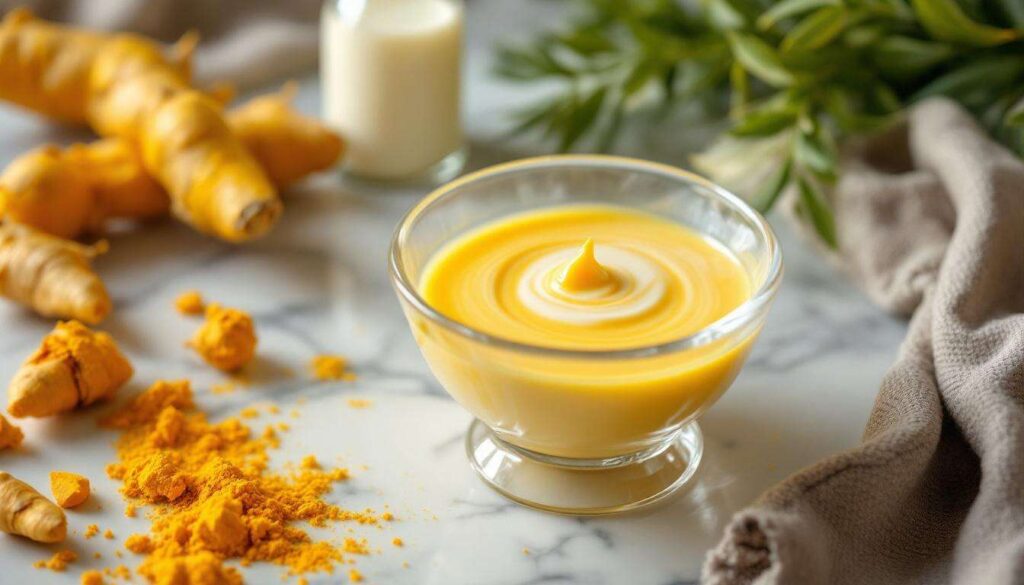
Dark spots, uneven pigmentation and dullness remain among the most persistent skincare concerns affecting individuals across all skin types and ages. The quest for a luminous, even complexion has led many to explore natural remedies rooted in ancient traditions, with turmeric emerging as a particularly powerful ingredient. This golden spice, revered for centuries in traditional medicine, contains curcumin, a compound that demonstrates remarkable ability to address hyperpigmentation when combined with milk in a simple overnight mask. The science behind this remedy reveals how gentle, consistent application can transform skin tone without harsh chemicals or invasive treatments.
The importance of turmeric in skincare
Understanding curcumin’s biological properties
Turmeric derives its therapeutic power from curcumin, a polyphenolic compound that exhibits multiple mechanisms beneficial for skin health. This active ingredient functions as a potent antioxidant, neutralising free radicals that contribute to premature ageing and cellular damage. Research demonstrates that curcumin inhibits tyrosinase, the enzyme responsible for melanin production, thereby reducing the formation of dark spots at their source.
The anti-inflammatory properties of curcumin prove equally significant. Inflammation often triggers post-inflammatory hyperpigmentation, particularly following acne breakouts or skin injuries. By suppressing inflammatory pathways, turmeric prevents the excessive melanin deposits that create lasting discolouration.
Historical and cultural significance
Turmeric has maintained a central position in Ayurvedic skincare practices for millennia. Traditional preparations utilised this spice to enhance complexion, treat blemishes and prepare brides for wedding ceremonies. This enduring legacy reflects empirical observations that modern science continues to validate through controlled studies.
| Traditional Use | Modern Scientific Basis |
|---|---|
| Brightening complexion | Melanin inhibition through tyrosinase suppression |
| Healing wounds | Anti-inflammatory and antimicrobial effects |
| Reducing blemishes | Antioxidant protection and cellular repair |
Understanding these foundational properties provides context for the practical application of turmeric in contemporary skincare formulations.
How to prepare a turmeric and milk mask
Essential ingredients and their roles
Creating an effective turmeric milk mask requires careful selection of complementary ingredients that enhance curcumin’s bioavailability and provide additional benefits:
- Turmeric powder: one teaspoon provides sufficient curcumin concentration without overwhelming the skin
- Milk: two tablespoons supply lactic acid for gentle exfoliation and proteins for nourishment
- Honey: one teaspoon adds humectant properties and antimicrobial benefits
- Black pepper: a pinch contains piperine, which increases curcumin absorption by up to 2,000 per cent
The milk component serves multiple functions beyond simple hydration. Its lactic acid content gently dissolves dead skin cells, allowing curcumin to penetrate more effectively whilst simultaneously addressing surface-level pigmentation.
Step-by-step preparation method
Begin by combining turmeric powder with milk in a non-metallic bowl, as metal can react with turmeric’s compounds. Stir thoroughly until achieving a smooth, paste-like consistency without lumps. Add honey and the smallest pinch of black pepper, mixing until fully incorporated.
For optimal results, prepare the mask fresh before each application. The mixture should spread easily without dripping, maintaining contact with the skin throughout the treatment period. If the consistency proves too thick, add milk drop by drop; if too thin, incorporate additional turmeric gradually.
Application technique for maximum effectiveness
Cleanse the face thoroughly and pat dry before application. Using clean fingers or a brush, apply the mask in upward, circular motions, concentrating on areas with visible dark spots. Avoid the delicate eye area and lips. Leave the mask on for twenty to thirty minutes, allowing the active compounds sufficient time to penetrate the skin barrier.
Rinse with lukewarm water, using gentle circular movements to remove all traces of turmeric. Follow with a toner to restore pH balance and a moisturiser to seal in hydration. The preparation process naturally leads to examining the specific mechanisms through which this treatment addresses pigmentation concerns.
The benefits of turmeric for dark spots
Melanin regulation mechanisms
Curcumin’s impact on hyperpigmentation operates through multiple pathways that collectively reduce dark spot intensity. The compound directly inhibits tyrosinase activity, the rate-limiting enzyme in melanin synthesis. This inhibition occurs without damaging melanocytes, the cells responsible for producing pigment, ensuring safe and gradual lightening.
Additionally, curcumin modulates signalling pathways that respond to UV exposure and inflammation, two primary triggers of excessive melanin production. By interrupting these signals, turmeric prevents new dark spots from forming whilst existing ones gradually fade.
Comparative effectiveness with commercial treatments
Studies comparing natural remedies with synthetic alternatives reveal turmeric’s competitive performance in addressing hyperpigmentation:
| Treatment Type | Average Improvement | Time Frame | Side Effect Risk |
|---|---|---|---|
| Turmeric mask | 30-40% reduction | 8-12 weeks | Minimal |
| Hydroquinone 2% | 50-60% reduction | 6-8 weeks | Moderate |
| Vitamin C serum | 35-45% reduction | 8-10 weeks | Low |
Whilst synthetic treatments may work marginally faster, turmeric offers a gentler approach with substantially lower risk of irritation, particularly beneficial for sensitive skin types.
Additional skin health benefits
Beyond addressing pigmentation, regular turmeric mask application delivers comprehensive improvements. The antioxidant properties combat oxidative stress, reducing fine lines and improving skin texture. Anti-inflammatory effects calm redness and irritation, whilst antimicrobial action helps prevent acne formation. These complementary benefits create an overall enhancement in skin appearance and health. However, achieving these results requires awareness of proper usage guidelines.
Precautions to take with the turmeric mask
Patch testing requirements
Before applying any turmeric preparation to the face, conduct a patch test on a small area of skin, typically the inner forearm. Apply a small amount of the mask mixture and wait twenty-four hours, monitoring for signs of irritation, redness or allergic reaction. This precaution proves particularly important for individuals with sensitive skin or known allergies to related plants in the Zingiberaceae family.
Staining prevention strategies
Turmeric’s vibrant yellow pigment can temporarily stain skin, particularly lighter complexions. To minimise this effect:
- Use kasturi turmeric (wild turmeric) rather than culinary varieties, as it contains less curcumin and stains less
- Add sufficient milk or yogurt to dilute the turmeric concentration
- Limit application time to the recommended duration
- Cleanse thoroughly with a gentle cleanser after removal
- Apply the mask in the evening, allowing overnight recovery time
Any residual yellow tint typically fades within several hours through natural skin turnover and sebum production.
Frequency and duration guidelines
Overuse of turmeric masks can lead to skin sensitivity or excessive dryness. Limit applications to two or three times weekly, allowing the skin adequate recovery time between treatments. Each session should not exceed thirty minutes of contact time. Individuals with extremely sensitive skin may benefit from starting with once-weekly applications, gradually increasing frequency as tolerance develops. These precautionary measures ensure safe integration into broader skincare practices.
Integrating turmeric into your beauty routine
Complementary products and ingredients
Turmeric masks work most effectively when incorporated into a comprehensive skincare regimen that addresses multiple aspects of skin health. Pair the mask with:
- Gentle cleansers containing no harsh sulphates that might strip natural oils
- Vitamin C serums applied on alternate days to enhance brightening effects
- Niacinamide treatments that complement melanin regulation
- Broad-spectrum sunscreen with minimum SPF 30 to prevent new pigmentation
- Hydrating moisturisers to support skin barrier function
Timing and sequencing considerations
Apply turmeric masks in the evening after cleansing but before other treatment products. This timing allows the active compounds several hours to work whilst minimising sun exposure immediately following application. On mask nights, simplify the routine by skipping active ingredients like retinoids or acids that might interact with curcumin or cause cumulative irritation.
Lifestyle factors that enhance results
External treatments achieve optimal results when supported by internal health practices. Adequate hydration supports skin cell turnover, whilst antioxidant-rich diets provide building blocks for repair. Sleep quality directly impacts skin regeneration, making consistent rest patterns essential. Stress management reduces cortisol-driven inflammation that can trigger pigmentation. These holistic considerations maximise the benefits of topical turmeric applications. Yet even beneficial ingredients carry potential risks that warrant attention.
Potential side effects of turmeric on the skin
Common adverse reactions
Whilst generally well-tolerated, turmeric can produce unwanted effects in certain circumstances. Contact dermatitis represents the most frequent concern, manifesting as redness, itching or burning sensations. This typically occurs in individuals with pre-existing sensitivities or when using excessive concentrations.
Photosensitivity occasionally develops, making skin more susceptible to UV damage. This necessitates diligent sun protection following turmeric applications. Some users report temporary dryness or flaking, particularly when combining turmeric with other exfoliating ingredients.
Contraindications and risk factors
Certain conditions warrant avoiding or modifying turmeric mask use:
| Condition | Recommendation |
|---|---|
| Active eczema or psoriasis | Consult dermatologist before use |
| Rosacea | Use minimal concentration with caution |
| Recent chemical peels | Wait minimum two weeks before application |
| Pregnancy | Generally safe topically but confirm with healthcare provider |
Managing and preventing complications
If irritation occurs, discontinue use immediately and apply a soothing agent such as aloe vera gel or colloidal oatmeal. Avoid harsh cleansers or exfoliants until the skin fully recovers. For persistent reactions, seek professional dermatological assessment to rule out allergic responses requiring medical intervention. Prevention remains preferable to treatment, emphasising the importance of gradual introduction and careful monitoring during initial applications.
The turmeric milk mask represents a scientifically supported, accessible approach to addressing hyperpigmentation through natural means. Curcumin’s multifaceted mechanisms target dark spots at their source whilst providing broader skin health benefits. Proper preparation, application technique and integration into a balanced skincare routine maximise effectiveness whilst minimising risks. When used consistently with appropriate precautions, this traditional remedy offers gentle yet meaningful improvement in skin tone and overall complexion quality, validating its enduring popularity across cultures and generations.