



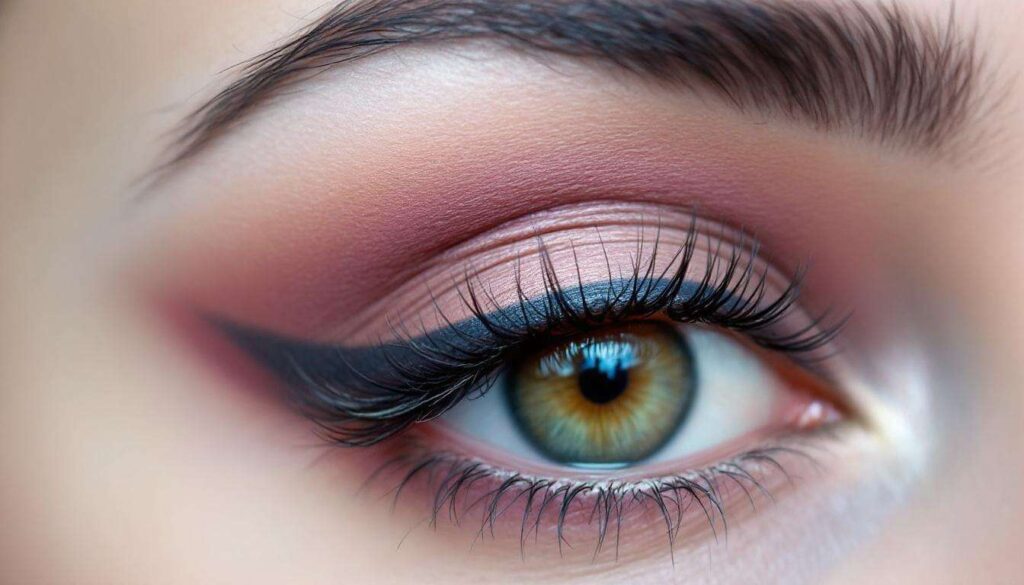
Makeup enthusiasts have long sought solutions to prevent eyeshadow from creasing throughout the day. Among the various techniques that have gained traction, applying vaseline to the eyelids has emerged as a surprisingly effective method. This petroleum jelly product, commonly found in most households, offers an accessible and economical alternative to commercial primers whilst delivering impressive results for maintaining flawless eye makeup.
The effectiveness of vaseline as a makeup base
Understanding the science behind petroleum jelly
Vaseline functions as an occlusive barrier on the skin, creating a protective layer that locks in moisture whilst providing a smooth surface for makeup application. The emollient properties of petroleum jelly help to fill in fine lines and create an even canvas, which proves particularly beneficial for the delicate eyelid area where creasing commonly occurs.
The molecular structure of vaseline allows it to form a semi-permeable seal on the skin without completely blocking the pores. This characteristic enables the product to:
- maintain optimal hydration levels beneath the makeup
- prevent natural oils from breaking down eyeshadow pigments
- create a tacky surface that helps powder products adhere more effectively
- reduce the appearance of textured skin on the eyelids
Performance comparison across different skin types
| Skin Type | Effectiveness | Considerations |
|---|---|---|
| Dry | Excellent | Provides essential moisture barrier |
| Normal | Very good | Works well with minimal product |
| Oily | Moderate | Requires careful application quantity |
| Combination | Good | May need adjustment throughout day |
The versatility of vaseline extends beyond its primary function, as it simultaneously conditions the delicate eyelid skin whilst serving as a makeup base. This dual-purpose application makes it particularly valuable for those seeking to streamline their beauty routine.
The correct application of vaseline on the eyelids
Preparation and quantity control
Achieving optimal results with vaseline requires precise application techniques. The most critical factor involves using an appropriate amount, as excess product can lead to sliding makeup rather than enhanced adherence. Begin with thoroughly cleansed eyelids, ensuring all traces of previous makeup and natural oils have been removed.
The recommended application process follows these steps:
- extract a rice-grain-sized amount of vaseline using a clean fingertip
- warm the product between your fingers to improve spreadability
- gently pat the vaseline onto the eyelid rather than rubbing
- allow thirty seconds for the product to settle before applying eyeshadow
- avoid applying vaseline to the crease area if planning intricate blending
Layering techniques for optimal results
The layering method significantly impacts the final appearance and longevity of eyeshadow. After applying vaseline, some makeup artists recommend setting the base with a translucent powder before adding colour. This technique creates an additional barrier that prevents the eyeshadow from mixing with the petroleum jelly, whilst maintaining the anti-creasing benefits.
For those working with cream eyeshadows, vaseline proves particularly effective as both products share similar consistencies, allowing for seamless blending. Powder formulations benefit from the tacky surface created by vaseline, which intensifies pigmentation and prevents fallout.
Understanding these application nuances helps transition naturally into exploring the specific advantages vaseline offers for extending eyeshadow wear time.
The benefits of vaseline for eyeshadow longevity
Extended wear performance
The primary advantage of using vaseline as an eyelid primer lies in its ability to significantly extend makeup wear time. Traditional eyeshadow application without a base typically lasts four to six hours before visible creasing occurs. When vaseline serves as the foundation, this duration often extends to eight to twelve hours, depending on environmental factors and individual skin characteristics.
Key longevity benefits include:
- prevention of natural oil migration that causes colour breakdown
- reduction in powder product displacement throughout the day
- maintenance of colour vibrancy from morning to evening
- resistance to humidity and perspiration
Enhanced colour payoff and intensity
Beyond longevity, vaseline dramatically improves the visual impact of eyeshadow pigments. The moisture-rich base allows powder particles to adhere more densely to the eyelid surface, resulting in more saturated colour application. This characteristic proves particularly beneficial when working with lighter or more sheer eyeshadow formulations that might otherwise appear patchy.
| Application Method | Colour Intensity | Wear Time |
|---|---|---|
| No primer | 70% | 4-6 hours |
| Vaseline base | 95% | 8-12 hours |
| Commercial primer | 90% | 10-14 hours |
These tangible benefits naturally lead to questions about how vaseline compares with purpose-designed makeup primers available in the cosmetics market.
Comparison with traditional makeup bases
Cost-effectiveness analysis
The economic advantage of vaseline becomes immediately apparent when comparing prices. A standard jar of petroleum jelly costs approximately £2-£4 and lasts several months with daily use, whilst commercial eye primers typically range from £8 to £35 for significantly smaller quantities. This substantial price difference makes vaseline an attractive option for budget-conscious consumers or those exploring makeup techniques.
Performance distinctions
Whilst vaseline offers impressive results, traditional primers possess certain advantages in specific applications. Commercial products often contain additional ingredients designed to address particular concerns:
- silicone-based formulations provide superior blending capabilities
- specialised primers offer mattifying properties for oily eyelids
- some products include anti-ageing ingredients alongside priming benefits
- professional primers may provide slightly longer wear times in extreme conditions
However, vaseline excels in simplicity and accessibility, requiring no special storage conditions and presenting minimal risk of allergic reactions due to its single-ingredient composition. The choice between vaseline and commercial primers ultimately depends on individual priorities, budget constraints, and specific makeup requirements.
Tips to maximise the effect of vaseline
Strategic application timing
Optimising vaseline’s effectiveness requires attention to application timing within the broader makeup routine. Allowing adequate settling time proves crucial for achieving professional-looking results. The petroleum jelly needs approximately thirty to sixty seconds to reach optimal tackiness before eyeshadow application.
Additional maximisation strategies include:
- applying vaseline immediately after moisturiser absorption
- using a setting spray over completed eye makeup for additional longevity
- carrying a small container for midday touch-ups if needed
- pairing vaseline with high-quality, pigmented eyeshadows for best results
Avoiding common mistakes
Several application errors can compromise the effectiveness of vaseline as a primer. Over-application remains the most frequent mistake, leading to greasy eyelids and sliding makeup. Additionally, applying vaseline too close to the lash line can cause mascara to smudge or lose curl retention.
These practical considerations naturally lead to examining what beauty professionals think about this unconventional priming method.
Experts’ opinions on using vaseline as a primer
Professional makeup artist perspectives
Beauty professionals have expressed mixed yet generally positive opinions regarding vaseline as an eyeshadow primer. Many acknowledge its effectiveness for everyday makeup applications, particularly appreciating its accessibility and multi-functional nature. The technique has gained recognition within professional circles as a viable option for clients with sensitive skin who react poorly to commercial primer formulations.
Dermatological considerations
From a skin health perspective, dermatology experts note that petroleum jelly presents minimal risks for most individuals. Its non-comedogenic properties mean it won’t clog pores, and its hypoallergenic nature makes it suitable for sensitive skin types. However, professionals recommend patch testing before full application, particularly for those with known sensitivities.
The consensus among beauty industry experts suggests that whilst vaseline may not replace high-end primers for professional photography or extreme wear conditions, it serves admirably for daily makeup routines and offers an excellent entry point for those new to using eye primers.
The technique of using vaseline as an eyeshadow primer demonstrates how accessible household products can deliver professional-quality results. This method offers significant advantages in terms of cost-effectiveness, ease of application, and performance for preventing eyeshadow creasing. Whilst commercial primers maintain certain advantages in specialised applications, vaseline provides an excellent solution for everyday makeup wear, particularly benefiting those with dry eyelids or limited budgets. The key to success lies in proper application technique, using minimal product quantities, and allowing adequate settling time before eyeshadow application. Whether chosen for economic reasons or as part of a minimalist beauty routine, vaseline proves itself a worthy addition to any makeup enthusiast’s toolkit.