


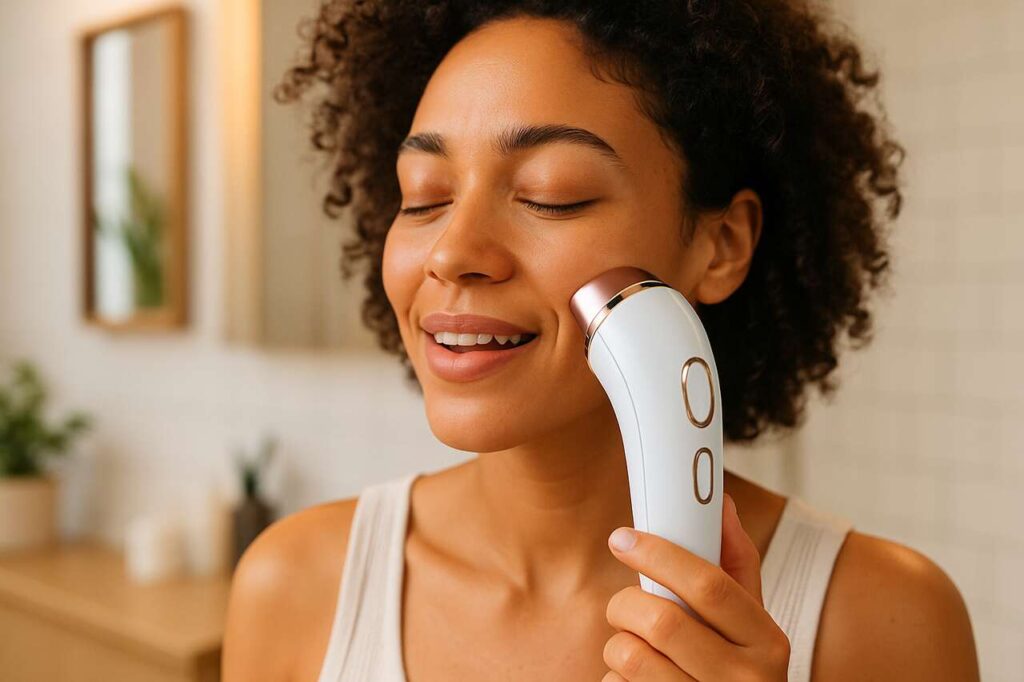
The beauty industry stands at a fascinating crossroads where cutting-edge technology meets everyday skincare routines. Gone are the days when professional treatments were confined to salons and clinics. Today’s consumers can access sophisticated devices that promise salon-quality results from the comfort of their own homes. But with this explosion of beauty gadgets flooding the market, a crucial question emerges: do these innovations actually deliver on their promises, or are they simply expensive placeholders on our bathroom shelves ?
Introduction to beauty technology
The evolution from basic tools to intelligent devices
Beauty technology has undergone a remarkable transformation over the past decade. What began with simple cleansing brushes has evolved into an ecosystem of sophisticated devices powered by artificial intelligence, LED therapy, and microcurrent technology. The industry has shifted from one-size-fits-all solutions to personalised approaches that adapt to individual skin concerns.
Modern beauty devices incorporate multiple technologies:
- LED light therapy targeting specific wavelengths for various skin concerns
- Microcurrent technology for facial toning and lifting
- AI-powered skin analysis for customised treatment recommendations
- Advanced sensors that monitor skin conditions in real-time
- Integration with mobile applications for tracking progress
Consumer demand driving innovation
The surge in popularity of beauty technology reflects changing consumer expectations. Social media platforms have played a pivotal role in this shift, with LED mask content experiencing significant growth in viewership. This digital exposure has transformed niche professional treatments into mainstream at-home essentials, democratising access to advanced skincare solutions.
This growing consumer appetite for technology-driven beauty solutions has naturally led manufacturers to push boundaries even further, setting the stage for groundbreaking innovations.
Award-winning innovations of 2025
Recognition at major technology showcases
Major technology exhibitions have become crucial platforms for beauty brands to unveil their latest innovations. The recent Consumer Electronics Show featured exceptional breakthroughs that earned prestigious recognition, highlighting the convergence of technology and beauty care.
| Innovation category | Key technology | Primary benefit |
|---|---|---|
| LED face masks | Red and near-infrared light | Reduces fine lines and uneven tone |
| AI skincare analysis | Machine learning algorithms | Personalised treatment recommendations |
| Cryotherapy devices | Controlled cooling technology | Immediate skin tightening effects |
Standout devices making waves
Among the most impressive innovations, LED face masks have captured particular attention. These devices utilise specific light wavelengths to address various skin concerns, offering professional-grade treatments in just ten minutes. The technology behind these masks represents years of research into how different light spectrums interact with skin cells.
Non-invasive cryotherapy devices have also emerged as game-changers, providing instant results without the need for professional intervention. These tools represent a significant leap forward in making advanced treatments accessible to everyday consumers.
Understanding which innovations truly deserve the accolades requires examining how they perform in real-world settings, particularly within the home environment.
The effectiveness of at-home skincare
Professional results without the clinic visits
The promise of at-home skincare devices centres on delivering professional-quality results without the associated costs and time commitments of salon treatments. Modern devices have made significant strides in bridging this gap, offering treatments that were once exclusively available through dermatologists and aestheticians.
Key advantages of at-home beauty technology include:
- Convenience of treatment scheduling around personal routines
- Long-term cost savings compared to repeated professional visits
- Privacy and comfort of familiar surroundings
- Consistent treatment protocols without appointment gaps
- Immediate access to technology-driven solutions
Realistic expectations and limitations
Whilst at-home devices offer impressive capabilities, it remains essential to maintain realistic expectations. These tools work best as part of a comprehensive skincare routine rather than standalone miracle solutions. The effectiveness varies depending on factors such as skin type, consistency of use, and the specific concern being addressed.
Professional treatments still hold advantages in certain scenarios, particularly for severe skin conditions or when immediate dramatic results are required. However, for maintenance and gradual improvement, at-home devices have proven remarkably effective.
To determine which devices genuinely deliver results, we developed a comprehensive testing approach that would separate genuine innovation from marketing hype.
Our testing methodology
Rigorous evaluation criteria
Our testing process employed a systematic approach to evaluate beauty technology across multiple dimensions. Each device underwent scrutiny based on effectiveness, ease of use, safety, and value for money. We established clear benchmarks to ensure objective assessment rather than relying solely on subjective impressions.
The evaluation framework included:
- Extended trial periods spanning several weeks to assess long-term results
- Documentation of visible changes through standardised photography
- Analysis of user experience factors including comfort and convenience
- Comparison of claimed benefits against actual observed outcomes
- Assessment of build quality and durability
Diverse testing panel
Recognising that skin responds differently across various types and ages, we assembled a diverse testing group representing different skin concerns, ages, and backgrounds. This approach ensured that our findings would be relevant to a broad audience rather than a narrow demographic.
To validate our findings and provide additional context, we sought insights from professionals with extensive expertise in dermatology and skincare technology.
Experts and specialists consulted
Professional perspectives on beauty technology
Dermatological professionals provided invaluable insights into the science behind these devices, helping to separate evidence-based technology from unsubstantiated claims. Their expertise proved crucial in understanding how different technologies interact with skin at a cellular level and what realistic outcomes users should expect.
Specialists emphasised the importance of understanding that whilst technology has advanced considerably, fundamental skincare principles remain essential. No device can compensate for poor skincare habits, inadequate sun protection, or unhealthy lifestyle choices.
Industry innovation insights
Technology developers offered perspectives on the engineering challenges involved in creating effective at-home devices. These insights revealed the complexity behind seemingly simple gadgets and the extensive research required to ensure both safety and efficacy.
Armed with expert guidance and comprehensive testing data, we arrived at clear conclusions about which technologies genuinely merit investment.
Our verdict on the tested technologies
Technologies that deliver results
LED light therapy emerged as one of the most consistently effective technologies, with visible improvements in skin tone and texture observed across multiple testers. The science supporting this technology is robust, and when used correctly, these devices deliver on their promises.
Microcurrent devices also demonstrated notable benefits, particularly for facial contouring and temporary lifting effects. Whilst results require consistent use, the technology proved effective for those committed to regular treatments.
Technologies requiring cautious consideration
Some innovations showed promise but with significant caveats. Certain AI-powered analysis tools, whilst impressive technologically, sometimes provided recommendations that lacked the nuance of professional consultation. These devices work best as supplementary tools rather than replacements for expert advice.
| Technology type | Effectiveness rating | Best suited for |
|---|---|---|
| LED therapy | High | Fine lines, uneven tone |
| Microcurrent | Moderate to high | Facial toning, temporary lifting |
| Cryotherapy | Moderate | Immediate tightening, puffiness |
| AI analysis | Variable | General guidance, tracking |
Value proposition assessment
The question of value extends beyond mere effectiveness to consider longevity, versatility, and overall user experience. Devices that offered multiple treatment modes or addressed various concerns simultaneously provided better value than single-purpose tools.
Sustainability considerations also factored into our assessment, with preference given to devices featuring durable construction, replaceable components, and energy-efficient operation.
The beauty technology landscape offers genuine innovations alongside overhyped gadgets. Our testing revealed that LED therapy and microcurrent devices stand out as worthwhile investments for those seeking professional-quality results at home. However, success requires realistic expectations, consistent use, and integration into a comprehensive skincare routine. The future of beauty technology appears promising, with continued emphasis on personalisation, sustainability, and evidence-based solutions. For consumers willing to research thoroughly and commit to proper usage, these devices represent a legitimate enhancement to traditional skincare approaches.