



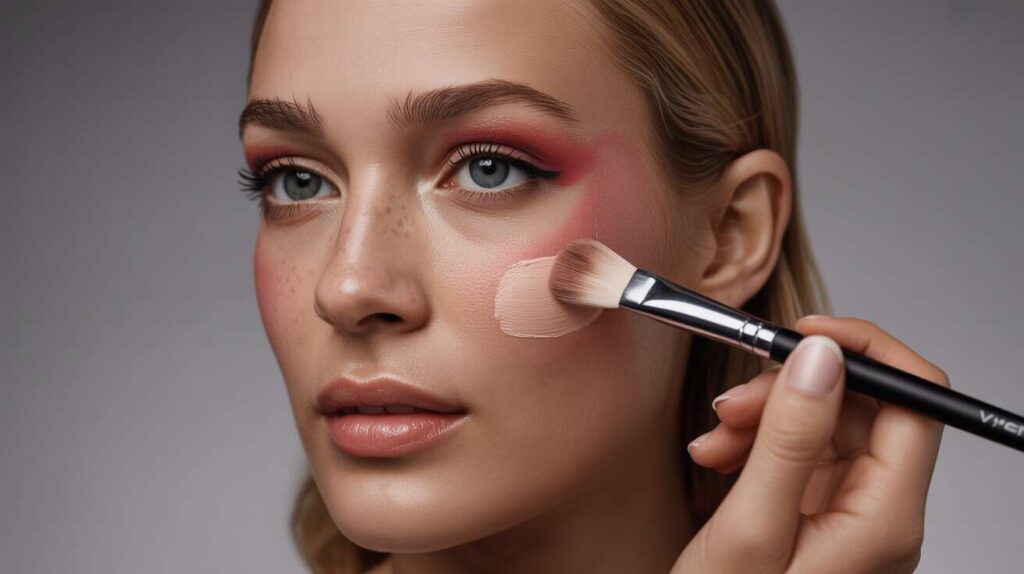
Mastering the art of blush application can transform your entire makeup routine, elevating a simple look into something polished and radiant. This essential cosmetic product has experienced a resurgence in popularity, with countless techniques emerging across social media platforms and professional makeup artists sharing their expertise. Understanding where and how to apply blush makes all the difference between a flat, one-dimensional complexion and a beautifully sculpted, glowing face that appears naturally flushed and healthy.
Understanding the importance of blush application
The transformative power of blush
Blush serves multiple purposes beyond simply adding colour to your cheeks. It introduces warmth and dimension to the face, counteracting the flattening effect that foundation can sometimes create. When applied correctly, blush can mimic the natural flush that appears when blood rushes to your cheeks, creating an instantly more youthful and vibrant appearance. Professional makeup artists emphasise that blush placement can dramatically alter your facial structure, providing a subtle lift or softening angular features depending on your goals.
Strategic placement for facial sculpting
The positioning of blush on your face determines whether it enhances or detracts from your natural features. Applying blush just above the cheekbones creates a lifted effect, making the face appear more sculpted and defined. Conversely, placing it lower on the cheeks can create a softer, more romantic aesthetic. Understanding these nuances allows you to use blush as a versatile tool in your makeup arsenal, adapting your application based on the occasion and desired outcome.
Beyond aesthetics, blush also plays a practical role in tying together various makeup elements, creating cohesion between your eye makeup, lip colour, and overall complexion.
Tailor blush based on your face shape
Identifying your face shape
Before applying blush, it’s essential to understand your unique facial structure. The most common face shapes include:
- Oval: balanced proportions with slightly wider cheekbones
- Round: fuller cheeks with similar width and length
- Square: strong jawline with angular features
- Heart: wider forehead tapering to a narrower chin
- Long: elongated face with a narrow structure
Customised application for different shapes
For oval faces, apply blush to the apples of the cheeks and blend slightly upwards towards the temples. This maintains the natural balance of your features. Those with round faces benefit from applying blush in an angular motion from the apples of the cheeks towards the hairline, creating the illusion of more defined cheekbones. For square faces, soften angular features by applying blush in a circular motion on the apples of the cheeks, blending upwards and outwards. Heart-shaped faces look best with blush applied horizontally across the cheekbones, whilst long faces benefit from horizontal application across the fullest part of the cheeks to create width.
Spending time in front of a mirror to identify your specific features helps determine the most flattering placement for your individual face shape.
Techniques for proper blush application
The classic apple method
The most traditional and universally flattering technique involves smiling to identify the apples of your cheeks—the rounded areas that become prominent when you smile. Apply blush directly to these areas using gentle circular motions, then blend slightly downwards for a romantic, youthful effect. This method works particularly well for creating a natural, everyday look that appears effortlessly fresh.
Blush draping technique
This sophisticated method, inspired by makeup practices from the 1970s, uses blush as a contouring tool. Rather than applying blush solely to the apples of the cheeks, draping involves sweeping colour from the apples upwards along the cheekbones towards the temples, creating a lifted and sculpted appearance. The modern interpretation focuses on using complementary shades to enhance facial structure whilst maintaining a natural finish. This technique requires blending the product seamlessly to avoid harsh lines, creating a soft gradient effect that mimics natural shadows and highlights.
The sunset blush approach
This trending technique combines two complementary shades to create dimension and warmth. Apply the lighter, warmer shade to the upper portion of the cheeks, then layer a deeper tone slightly below, blending where the colours meet. Extend the application to the bridge of the nose and chin for a cohesive, sun-kissed effect that appears naturally radiant. This method works exceptionally well for creating a glowing, healthy appearance that looks as though you’ve spent time outdoors.
These varied techniques demonstrate the versatility of blush application, and understanding professional secrets can further refine your approach.
Blush placement secrets by professional makeup artists
The lifting technique
Professional makeup artists employ a strategic placement method to create an instant lifting effect. By positioning blush slightly higher than you might instinctively apply it—starting from the mid-cheekbone area and blending towards the hairline—you create the illusion of elevated cheekbones. This technique is particularly effective for mature skin or when aiming for a more sculpted appearance. The key lies in ensuring the highest point of colour sits no lower than the outer corner of your eye.
Multi-point application for cohesion
Rather than limiting blush to the cheeks alone, professionals often apply small amounts to multiple areas of the face. Using your fingers to dab blush onto the nose bridge and chin creates a naturally flushed appearance, as these areas naturally redden when you exercise or spend time in the sun. This cohesive approach prevents the blush from appearing isolated and creates a more harmonious overall look. The warmth distributed across multiple facial points mimics natural circulation patterns, resulting in a believable, healthy glow.
Achieving these professional results also depends heavily on selecting appropriate products for your specific needs.
Choosing the right shade and formula of blush
Formula selection for your skin type
The texture of your blush should complement your skin type for optimal results:
| Skin Type | Recommended Formula | Benefits |
|---|---|---|
| Dry skin | Cream or liquid | Provides hydration and dewy finish |
| Oily skin | Powder | Absorbs excess oil and offers longevity |
| Combination skin | Gel or mousse | Balances texture and blends seamlessly |
| Mature skin | Cream | Prevents settling into fine lines |
Selecting your perfect shade
Choosing a blush shade that complements your natural colouring ensures a flattering result. A reliable guideline involves selecting a shade that resembles your natural lip colour or the colour your cheeks turn when naturally flushed. For fair skin tones, soft pinks and peachy hues work beautifully. Medium skin tones are enhanced by rose, mauve and warm coral shades. Deeper skin tones glow with berry, plum and rich terracotta tones. Consider your undertone as well: cool undertones suit pink-based blushes, whilst warm undertones favour peachy and coral shades.
Once you’ve applied your chosen blush, ensuring its longevity throughout the day requires proper setting techniques.
Setting the blush for long-lasting wear
Layering techniques for durability
To maximise the staying power of your blush, employ a layering method. For cream or liquid formulas, apply your blush first, allow it to set briefly, then lightly dust a powder blush in a similar shade over the top. This technique locks the cream product in place whilst intensifying the colour payoff. The powder layer acts as a setting agent, preventing the cream from moving throughout the day.
Setting spray and powder application
After completing your blush application, lightly dust translucent setting powder over the area using a fluffy brush. This step is particularly important for those with oily skin or when expecting a long day. Finish with a fine mist of setting spray, holding the bottle at arm’s length to avoid disturbing the placement. The setting spray creates a protective barrier that helps maintain your blush’s vibrancy and position for extended periods.
Blush remains one of the most transformative elements in any makeup collection, capable of instantly brightening your complexion and defining your features. By understanding proper placement techniques tailored to your face shape, selecting appropriate formulas and shades for your skin type, and employing professional application methods, you can achieve a naturally radiant appearance. Whether you prefer the classic apple method, the sculptural draping technique, or the trendy sunset approach, experimenting with different styles allows you to discover what works best for your unique features. Remember that practice and personalisation are key—what flatters one person may differ for another, so take time to explore these techniques and adapt them to suit your individual beauty.